Britain’s Blatant Double Standard: Recognizes Rohingya Genocide While Shirking Accountability for Gaza Crimes
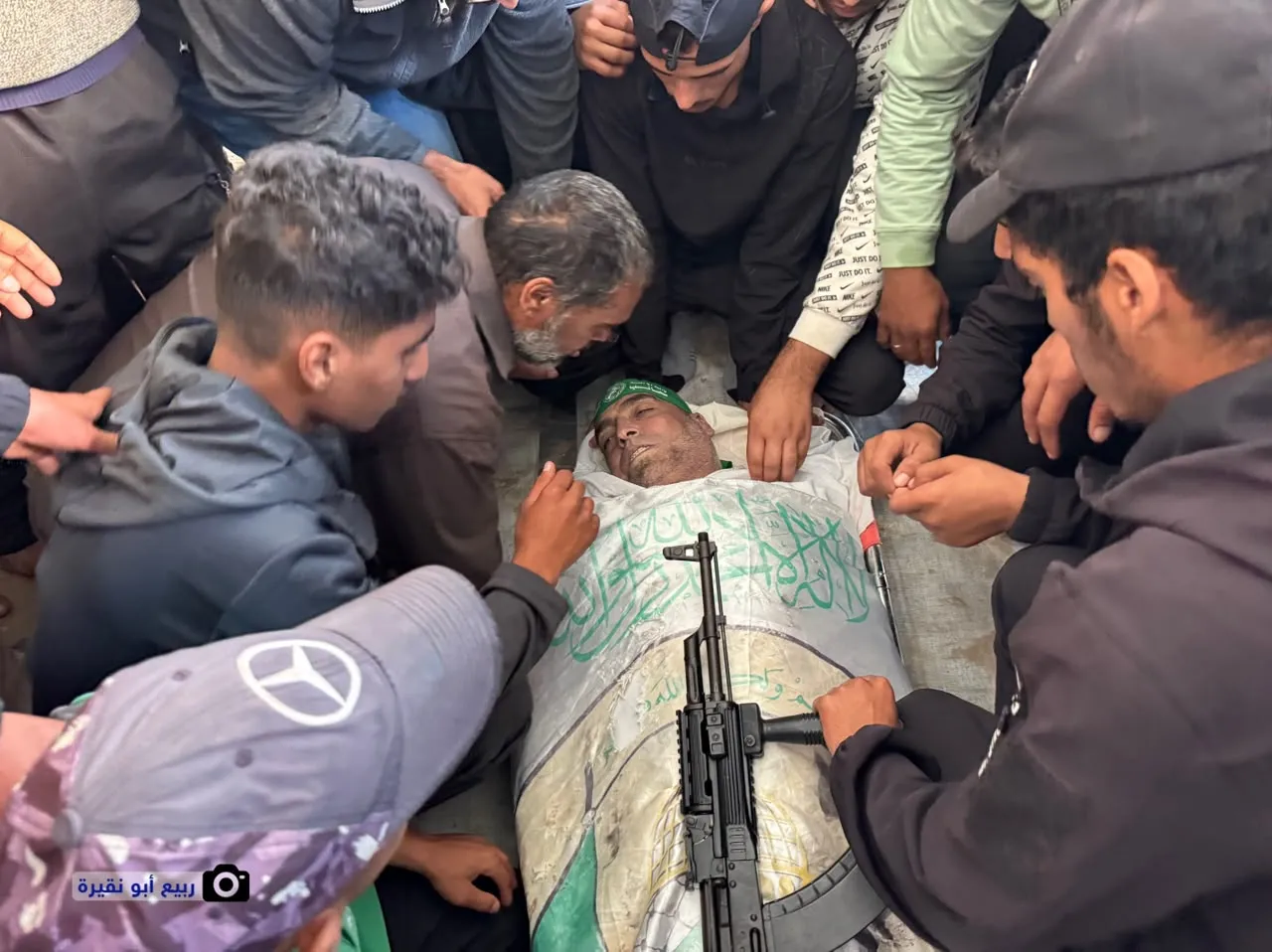
In a stance that highlights the inconsistency in British policy toward genocide crimes, London recognizes the genocide committed against Rohingya Muslims in Myanmar, yet refuses to commit to enforcing any potential international ruling condemning the occupation of committing genocide in the Gaza Strip.
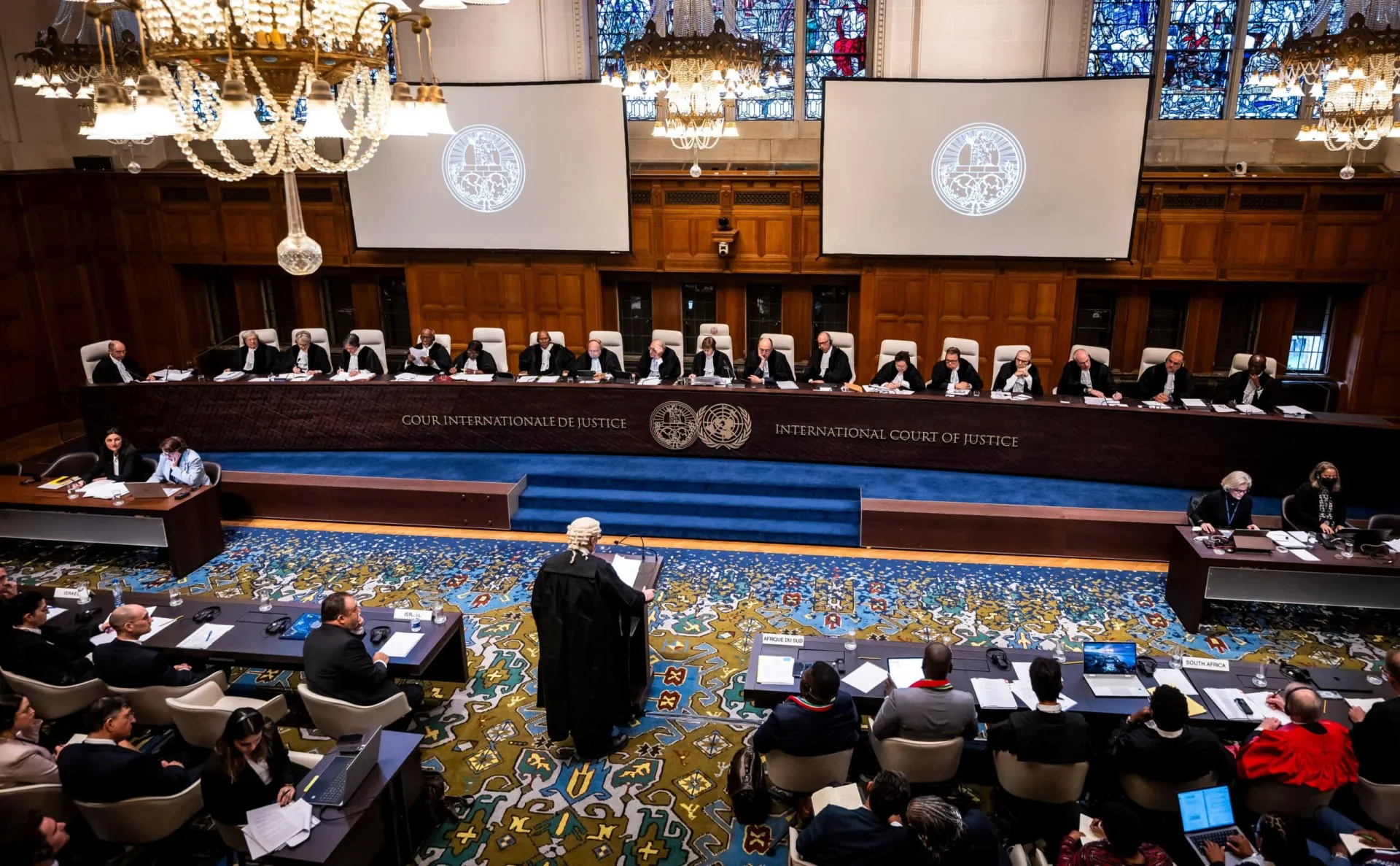
In a stance reflecting a contradiction in its handling of genocide crimes, the British government has announced its recognition of the genocide committed against Rohingya Muslims in Myanmar, but refused to commit to enforcing any potential ruling by the International Court of Justice condemning the Israeli occupation of committing the crime of genocide in the Gaza Strip.
A well-informed British source, who declined to be identified, revealed that London still adheres to its position of awaiting an official ruling from a competent national or international court to determine that a crime of genocide has occurred, stipulating that the ruling be issued following judicial proceedings characterized by credibility.
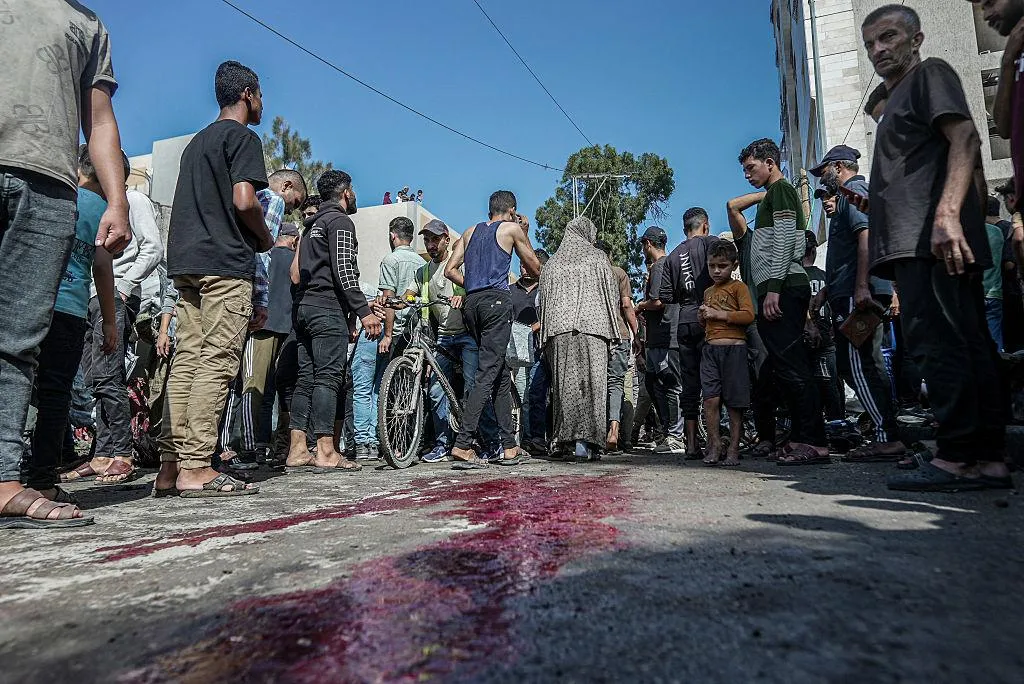
This came in response to inquiries about the British government’s position on enforcing any ruling that might be issued by the International Court of Justice in the case filed by South Africa against the occupation, over the backdrop of the ongoing genocidal war on the Gaza Strip since October 7, 2023.
The source refused to offer any guarantees regarding Britain’s commitment to enforcing a potential ruling against the occupation, saying only that his government would not comment on “hypothetical rulings.”
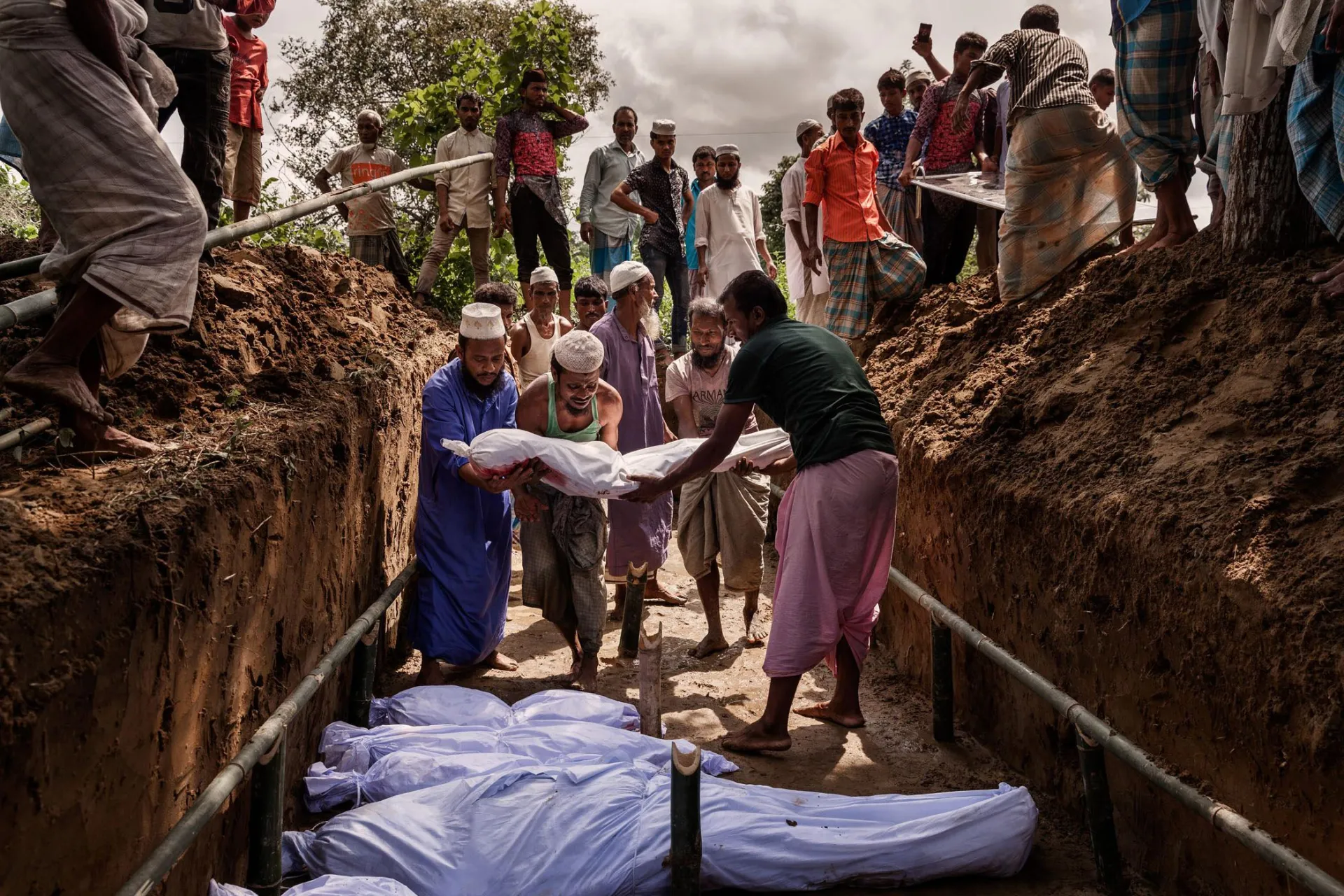
This position stands in contrast to the announcement by British Foreign Secretary Ed Miliband before the House of Commons on November 23 of this month that his country officially recognizes the genocide committed against Rohingya Muslims in Myanmar, following a ruling issued by the International Court of Justice on November 19, which affirmed that Myanmar had violated its international obligations related to preventing genocide and punishing its perpetrators.
British action in the Myanmar case was not limited to recognition, as London announced punitive measures that included expelling the country’s military attaché from its territory and imposing sanctions on institutions linked to the military regime, while Miliband stressed the need for recognition of genocide to be coupled with practical steps.
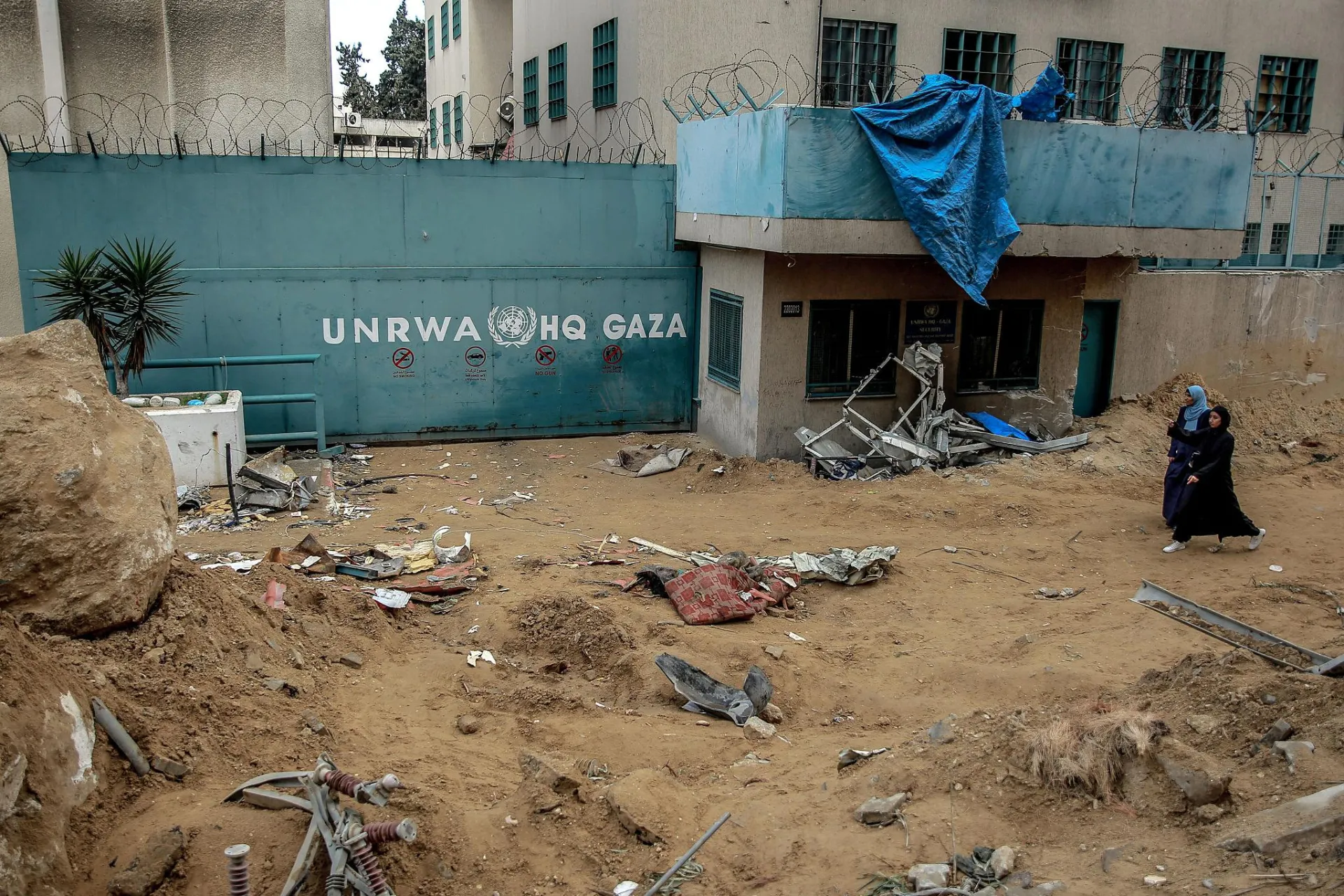
On the other hand, the International Court of Justice had previously issued provisional measures in 2024 in the case filed against the occupation, demanding that it take steps to prevent acts of genocide, prevent incitement to it, ensure the delivery of humanitarian aid to the Gaza Strip, and preserve evidence related to the case.
In a related context, the director of the Myanmar Accountability Project, Chris Gunness, considered that the ruling issued against Myanmar contains significant similarities with what is happening in the Gaza Strip, noting that applying the legal standards contained in it to the Palestinian case reveals broad intersections between the two issues.
The British positions raise questions about the extent of London’s readiness to apply its international legal obligations equally, in light of its recognition of genocide in Myanmar and its reluctance to confirm its commitment to holding the occupation accountable if a judicial ruling condemning it is issued in the Gaza case.