From Road Closures to Threats Against Councils: Israel Undermines Palestinian Authority’s Sway in West Bank Villages
An Israeli escalation targeting West Bank villages through road closures and threats against village councils, amid a decline in the Palestinian Authority’s ability to protect residents.
Exclusive / Shehab
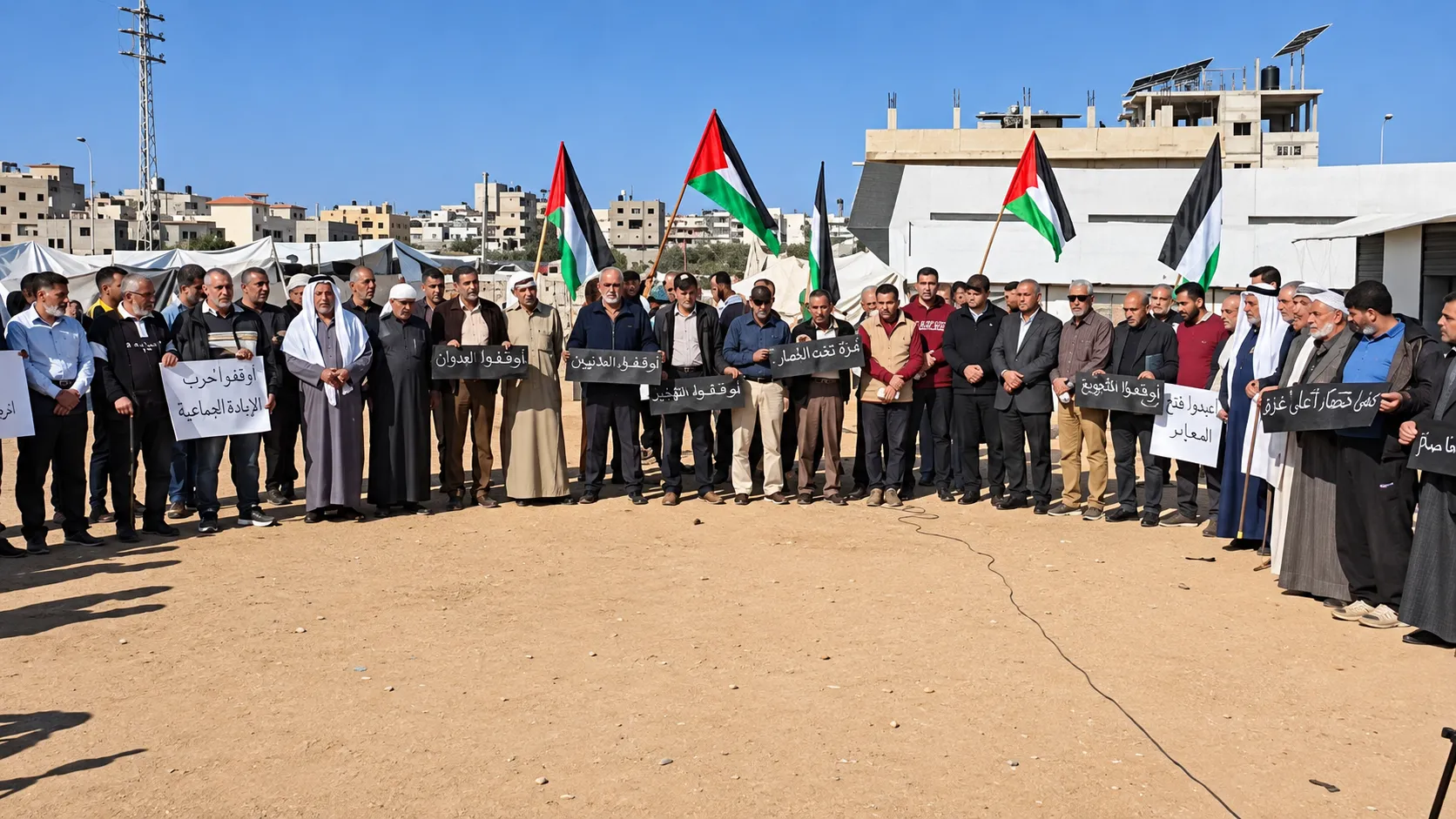
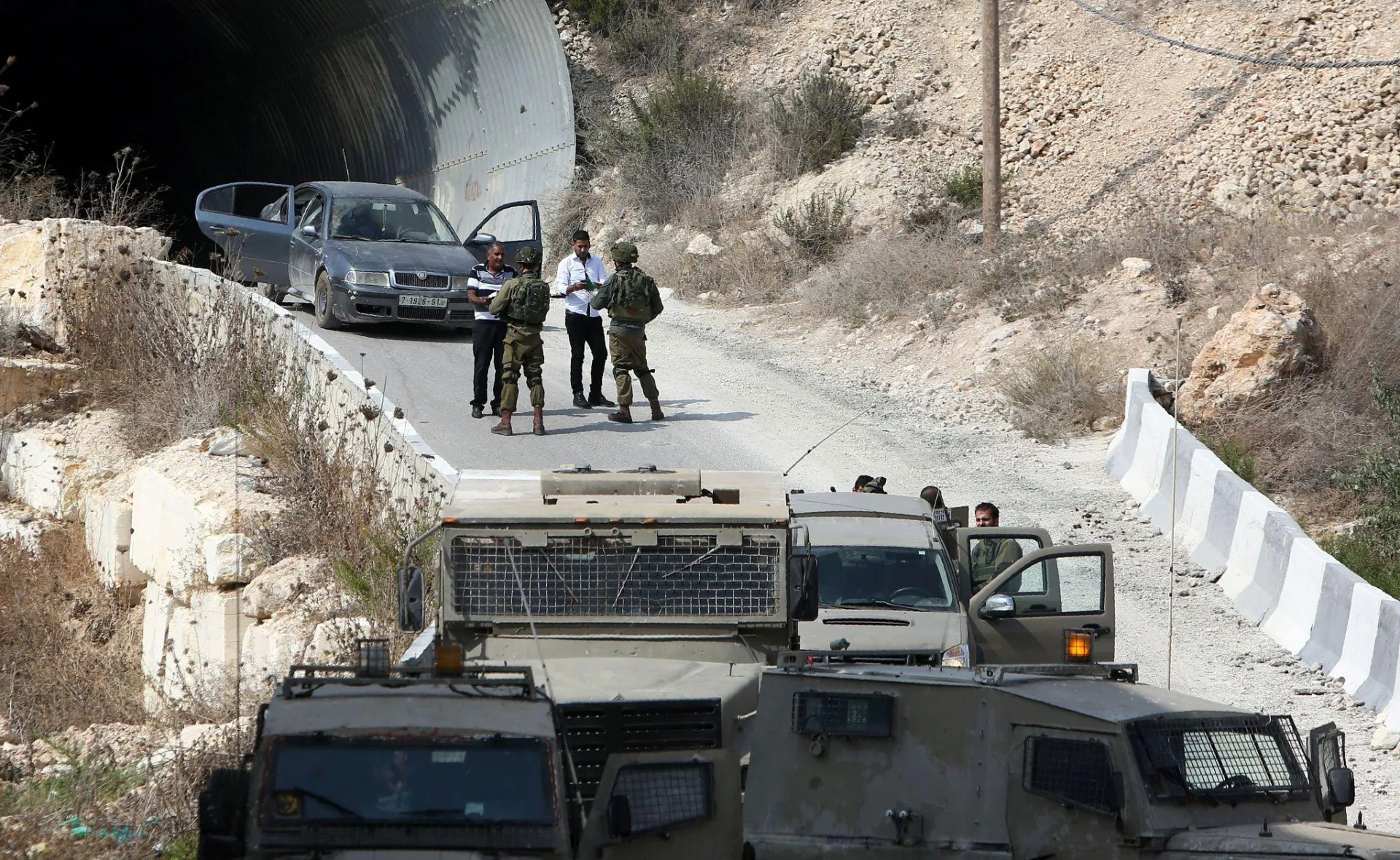
Villages in the occupied West Bank are facing mounting pressure from the Israeli occupation army and its security agencies that goes beyond daily raids and assaults to direct interference in the work of village councils and restrictions on their communication with residents.
Israeli Threats Against Village Councils
In a notable development, heads of village councils in West Bank villages are now receiving summonses and direct threats from Israeli intelligence, including demands that they refrain from contacting Palestinian or international bodies when assaults occur and that they report any security incidents inside their villages to the occupation, along with holding them responsible for preventing young men from confronting settler attacks.
These measures coincide with a decline in the ability of Palestinian Authority institutions to intervene to address the crises facing the villages, as contacts by the civil and military liaison offices have in many cases failed to open closed entrances or ensure that specialized crews reach targeted areas, while prior Israeli approvals are no longer sufficient to guarantee the implementation of field activities.
Testimonies from heads of village councils reveal a growing pattern of Israeli pressure aimed at curbing the role of these councils in organizing residents’ affairs, monitoring assaults and relaying them to Palestinian and international bodies.
In the village of Burqa, east of Ramallah, the occupation army stormed the village council during a meeting called by residents to coordinate for the olive harvest season and assaulted the participants, in conjunction with a raid on the home of council head Sayel Kanaan.
Kanaan said an Israeli intelligence officer threatened him against organizing any activities inside the village and told him that the council’s task should be limited to providing services to residents.
He added that the officer forced him to unlock his phone and send a message to an electronic group comprising village residents, informing them that the olive harvest would not take place without the occupation army’s approval, noting that residents have so far been unable to reach their lands to pick the crop amid repeated raids and settler attacks.
The interventions were not limited to preventing community activities, as the head of the Jalud village council, southeast of Nablus, Raed al-Haj Muhammad, was given direct instructions during his summons in early November that Israeli intelligence should be the party responsible for security inside the village.
Al-Haj Muhammad explained that the intelligence officer asked him to contact the Israeli side whenever any incident occurs, including settler attacks, and not to turn to any other party, and also warned him against friction with settlers or hosting foreign solidarity activists.
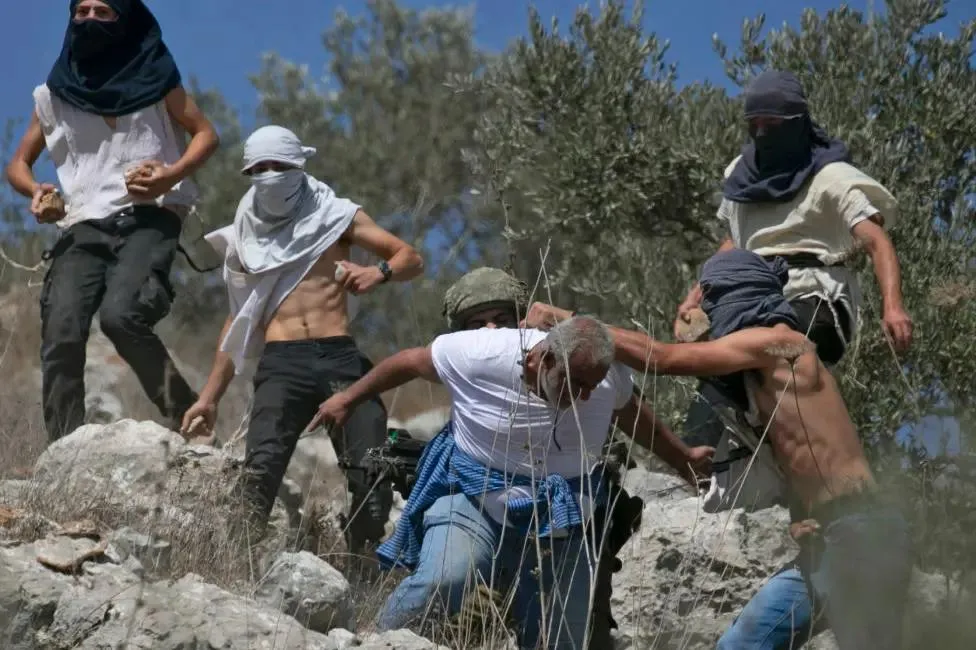
In Qaryut, south of Nablus, the occupation intelligence summoned council head Yousef al-Sadiq and threatened him with administrative detention, holding him responsible for any confrontation between residents and settlers, while demanding that he prevent young men from confronting attacks.
Al-Sadiq said the threats also covered the social media groups residents use to exchange information about army raids and settler attacks, with the intelligence officer asking him to stop the circulation of such news, as well as to stop communicating with international institutions to convey what the village is being subjected to.
He noted that the officer linked the detention of his 16-year-old son Tamim to what he described as incitement against settlers, recalling the two-year administrative detention of the former council head as part of his threats against him.
Threats to Kill and Road Closures
In the village of Al-Sawiya, south of Nablus, the Israeli restrictions extended to residents’ daily movement after Israeli intelligence summoned council head Hekmat Abu Rass and forced him to send a message via a WhatsApp group to residents demanding that they prevent their children from throwing stones and keep away from the main street.
Abu Rass said the intelligence officer threatened to shoot anyone who uses the street, including school students, prompting the council to search for an alternative dirt road to enable students to reach their schools.
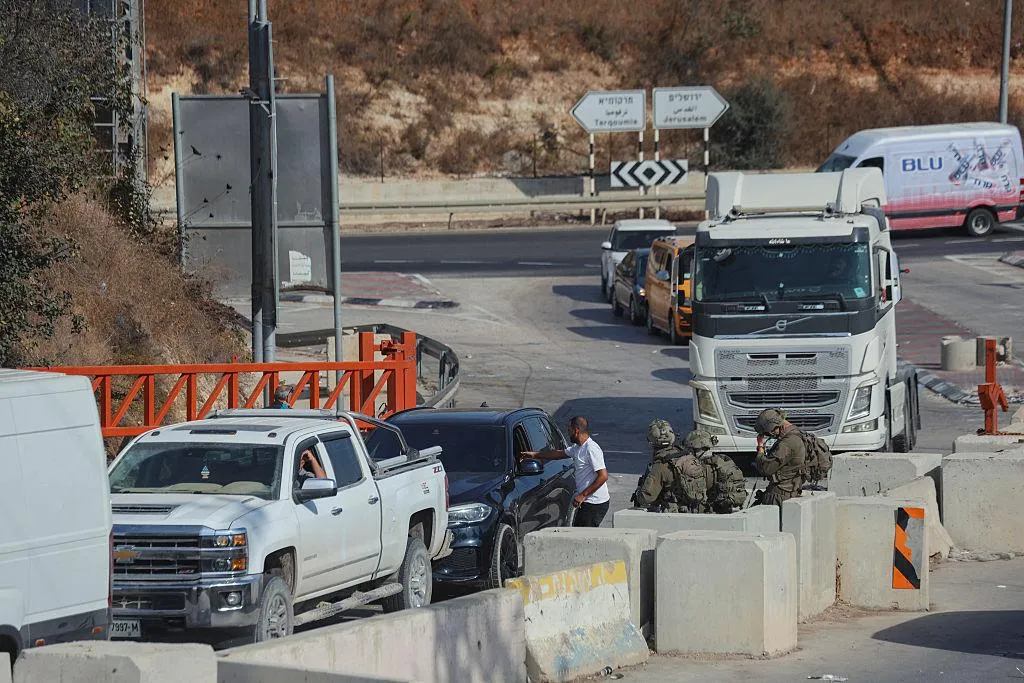
The village, which has about 4,000 residents, has suffered the closure of its main entrance since the beginning of this month, while employees and university students are forced to use rugged roads to reach their destinations, amid fears of falling into ambushes by the occupation army or settlers.
In Ein Yabrud, northeast of the city of Al-Bireh, council head Louay Shehadeh said Israeli intelligence detained and interrogated him and threatened to hold the council responsible for any friction between residents and settlers.
He explained that the occupation closed the main road linking the village to Ramallah, Al-Bireh and neighboring towns, increasing the time needed to reach basic services, after a trip to the town of Silwad that used to take about five minutes now requires an hour via alternative roads.
In return for these measures, village councils face ongoing difficulties in securing effective intervention from Palestinian Authority institutions, especially with regard to opening closed roads and securing access for farmers and civil defense crews to targeted areas.
Accounts from representatives of village councils in Jalud, Ein Yabrud, Al-Sawiya, Qaryut, Al-Mughayyir, Burqa, Burin, Qusra, Yasuf and Abu Falah indicate that contacts with the Palestinian civil and military liaison often do not end in practical results, with responses limited to saying that no updates have come from the Israeli side or that the commander of the military region has rejected the request for intervention. These challenges come at a time when the occupation forces are tightening their military measures in other areas of the West Bank, as explained in a previous report on road closures and tightened measures in Hebron.
Yasser Al-Zaatari, from the legal committee and the olive harvest committee in the town of Abu Falah near Ramallah, said the Palestinian civil and military liaison is making efforts to follow up on farmers’ conditions, but the coordination approvals that come through it do not guarantee their access to their lands.
He cited as an example the approval farmers obtained to reach the town’s lands adjacent to the village of Al-Mughayyir and pick olives, even though the occupation army and settlers practically prevent them from reaching them and assault them.
In the village of Burin, south of Nablus, the restrictions imposed on the work of civil defense crews reflect the scale of the complications facing Palestinian institutions even inside residential areas.
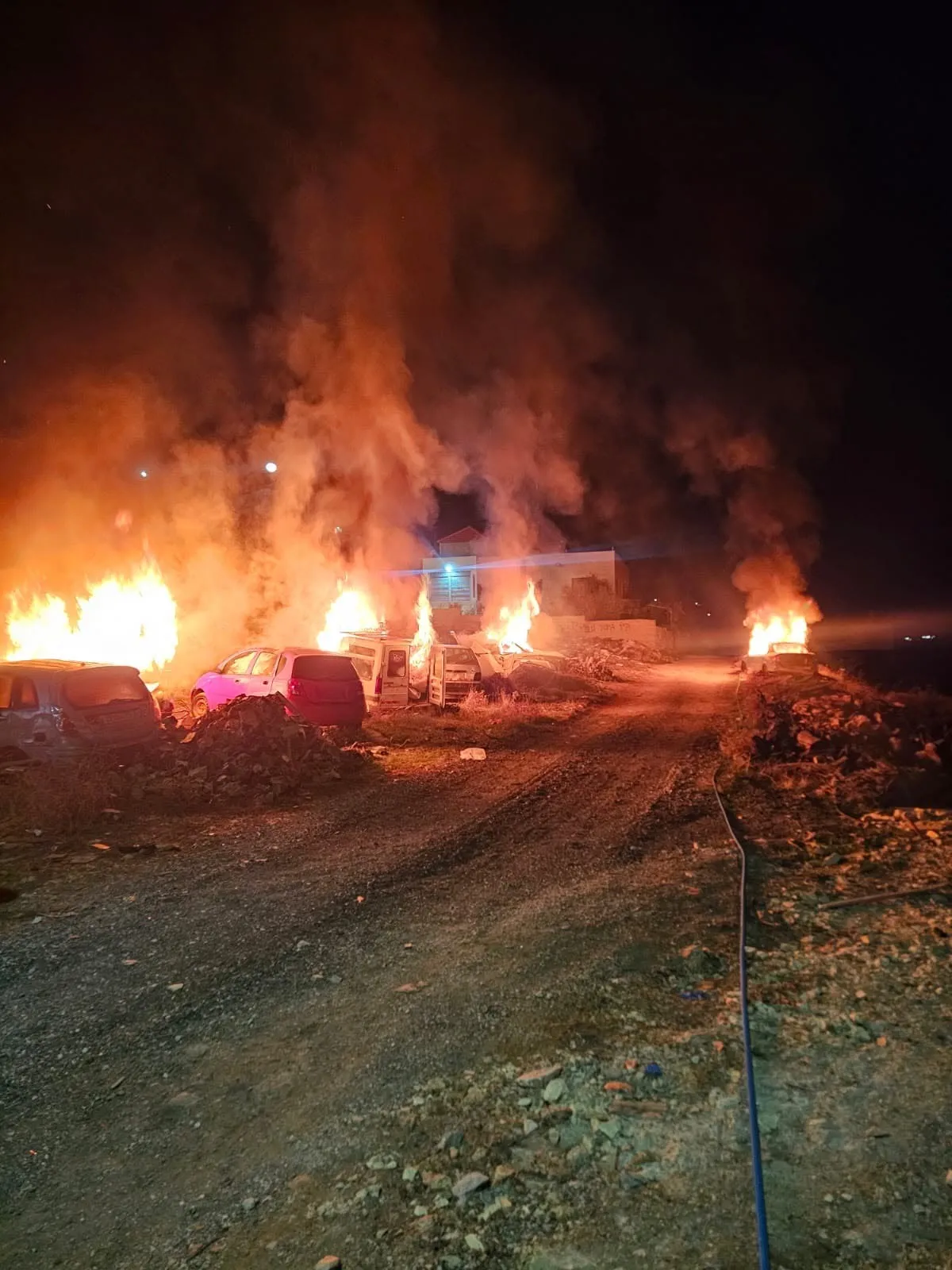
One member of the village council explained that settlers burned olive trees in the village last month, and when the civil defense stationed there requested permission from the Palestinian military liaison to move in and extinguish the fire, the necessary approval could not be obtained from the Israeli liaison.
He noted that the village has suffered the closure of its main entrance for months, along with the closure of other entrances and their encirclement by military barriers, pointing out that moving a civil defense vehicle inside the village itself has become tied to coordination procedures that are often not obtained.
At the Heart of Displacement Schemes in West Bank Villages
The effects of these restrictions go beyond freedom of movement and daily services, extending to the Palestinian presence in villages and communities located within areas classified as “C,” where restrictions on construction and urban expansion continue, alongside settler attacks and the seizure of land.
Aayed Marar, legal adviser at the Wall and Settlement Resistance Commission, said Palestinian villages are passing through the worst phase since 1967, noting that the occupation is working to push residents out of their communities toward areas “A” and “B,” and ultimately toward emigration outside the Palestinian territories.
He explained that the number of unrecognized Palestinian communities in areas classified as “C” exceeds 300, home to around 300,000 Palestinians, stressing that the occupation has displaced nearly 100,000 of them, fully or partially, and moved them to areas “A” and “B.”
He added that most Palestinian villages are located in areas “B,” but are surrounded by vast expanses of land classified as “C,” which is under Israeli control, restricting their urban expansion and preventing the construction of new buildings on large areas of their land.
He noted that the cramped structural plans of the villages, combined with the ban on construction and expansion in areas classified as “C,” is driving numbers of young people and families to leave their villages, as a result of the unavailability of land needed to build new homes.
As the occupation tightens its grip on the details of life in West Bank villages, the ability of Palestinian institutions to influence events recedes, leaving the villages facing a reality in which the foundations of steadfastness erode day after day, while pressure on their residents continues in the absence of real guarantees for their survival on their land.