Report Peace Council Powerless in the Face of Israeli Crimes: How Long Will Mediators Remain Witnesses to Gaza’s Bleeding?
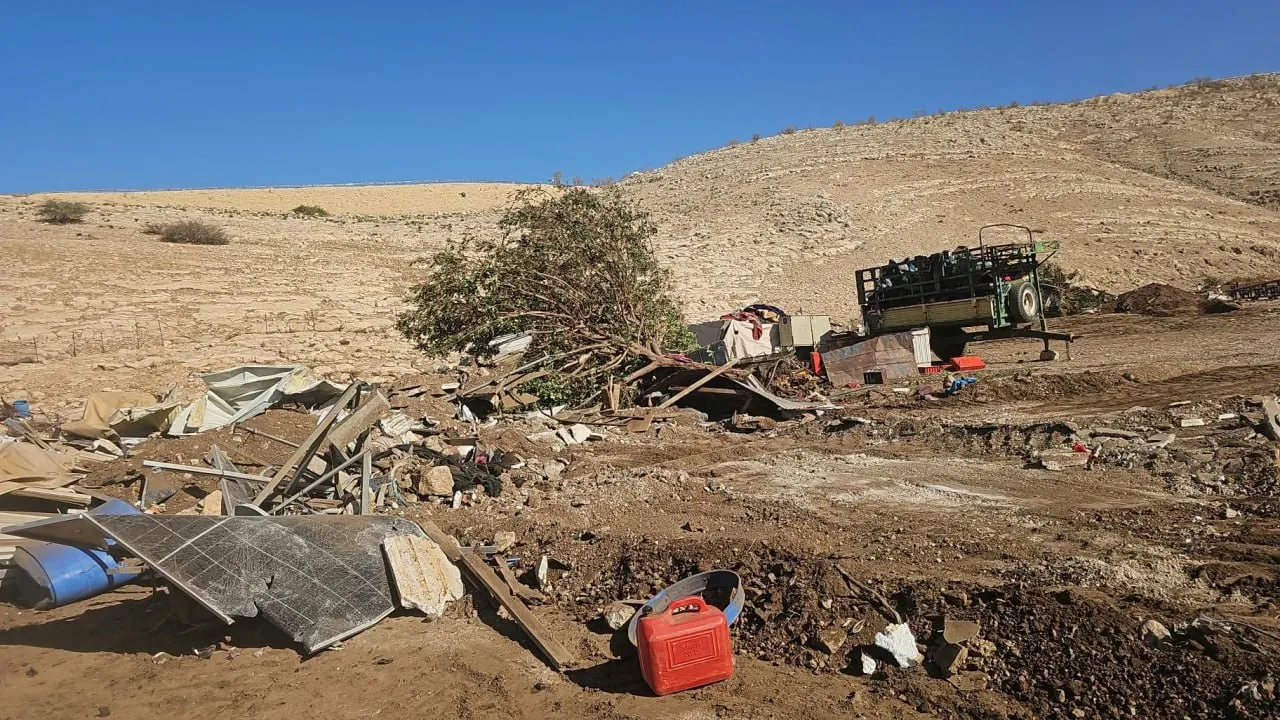
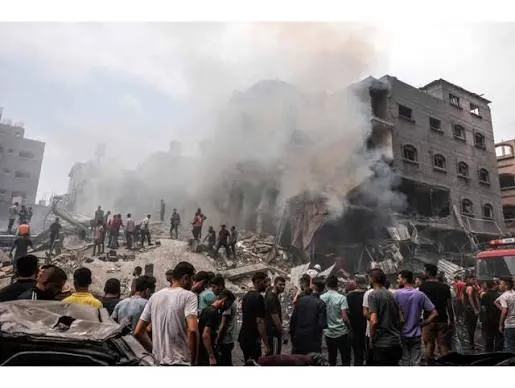
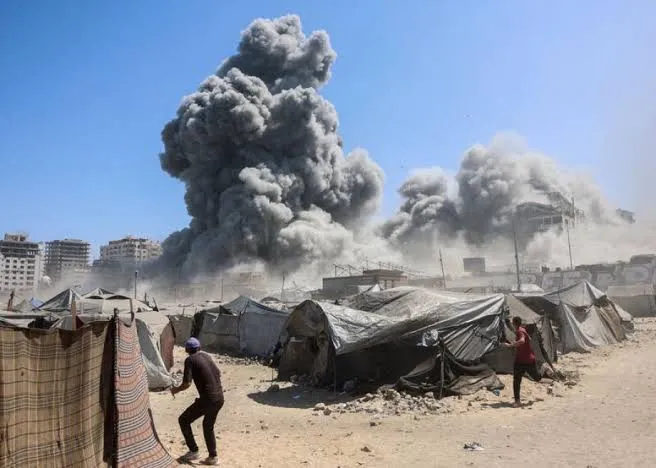
Israeli violations of the ceasefire agreement in the Gaza Strip have escalated, with continued bombardment, demolitions and gunfire.
Report – Shehab
Israeli violations of the ceasefire agreement in the Gaza Strip have escalated, with continued bombardment, demolition operations and gunfire, killing 1,679 Palestinians and injuring 6,100 others since the agreement took effect on 11 October 2025, according to the Ministry of Health in Gaza.
Amid these ongoing violations, political analysts have stressed that the continuation of the aggression puts the mediators and the Peace Council before a real test, requiring serious action and the imposition of deterrent mechanisms and genuine guarantees to prevent the continued violations.
Serious and practical action required
Writer and political analyst Mohamed Mustafa Shaheen said that the occupation has made a strategic decision to expand the scope of its military and security crimes and turn the Gaza Strip into a permanent theatre of combat operations, not to achieve any genuine security objective, but to export its deepening internal crises.
Shaheen explained in a special statement to Shehab Agency that the occupation, mired in its internal political, economic and security crises, finds in the continuation of the aggression on Gaza a means to divert attention from its failure to manage its own affairs and to justify its expansionist policies on Palestinian land.
He noted that the Peace Council, which was established in the first place to be a pressure and control mechanism, has proven its failure to play any effective role, as it has been unable to force the occupation to abide by the simplest rules of a ceasefire or to deter its repeated violations of the agreements.
He pointed out that the Palestinian factions are committed to what they pledged, respect the security and military understandings and refrain from any escalation, while the occupation continues to violate humanitarian and international laws and legislation, using air power, artillery and limited ground operations to impose a new reality on the ground and expand the scope of destruction and killing.
Shaheen stressed that what is required of the mediators is not statements of condemnation or verbal calls, but serious and practical action with a clear security and military character against the occupation’s crimes, affirming that they must realise that the continuation of Israeli encroachment on the land and people of Gaza is not merely a breach of an agreement, but a systematic attempt to empty international mediation of any meaning and turn it into political cover for war crimes.
He called for the establishment of real deterrent mechanisms, including strict field monitoring, diplomatic pressure coupled with tangible security measures, and the imposition of a political and military cost for every Israeli violation.
He noted that stopping the bleeding of blood in the Strip cannot be achieved with words, but by forcing the occupation to retreat from its expansionist policy, explaining that the ongoing aggression is not defensive but offensive, and aims to redraw the security map in Gaza in favour of the occupation and to export its internal crises onto the bodies and land of civilians.
He pointed out that the mediators face a historic test: either they move seriously to stop this encroachment, or they bear the responsibility of silent complicity in an ongoing crime.
The real test for the mediators
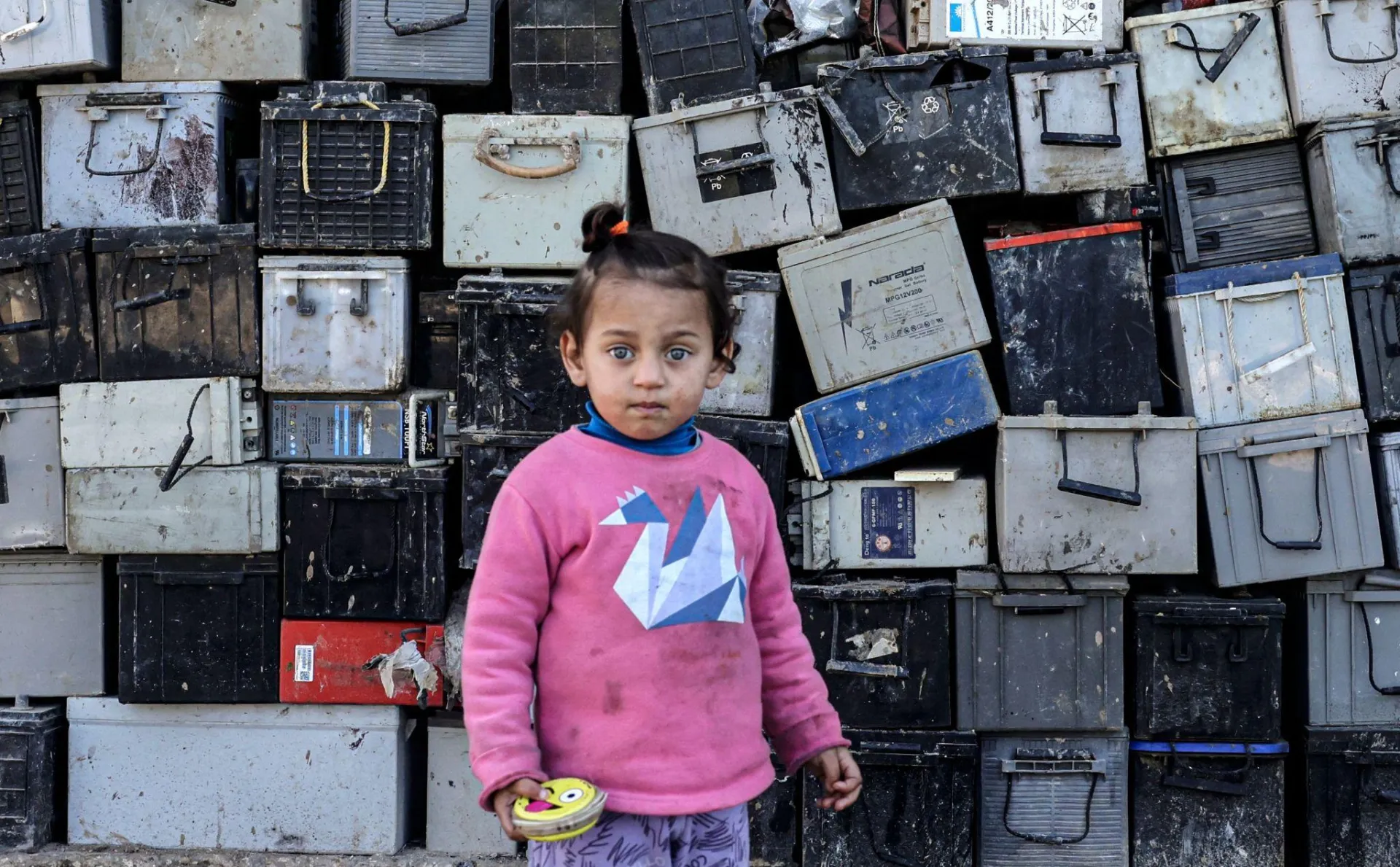
For her part, writer on political affairs Dr. Amira Al-Nahhal affirmed that the continuation of Israeli violations of the ceasefire agreement in the Gaza Strip, without international deterrent measures, reveals the absence of real guarantees for the implementation of the agreement, noting that civilians are still paying the price for the continuation of airstrikes and the falling of victims.
Al-Nahhal said in a special statement to Shehab Agency that the existence of the “Peace Council” is no longer sufficient to guarantee a ceasefire unless it possesses real tools of pressure on the occupation, explaining that the repetition of violations without political, economic or diplomatic consequences turns the guarantees into a formal umbrella and makes the ceasefire a mere headline whose impact civilians do not find in their daily lives.
She added that the responsibility of the mediators — Egypt, Qatar, Turkey and the United States — requires a shift from issuing statements of concern and calls for restraint to exercising direct and public political pressure on the occupation government, setting a binding timetable for the implementation of the agreement’s provisions, and linking its later phases to stopping the attacks, opening the crossings, bringing in aid, fuel and shelter materials, and ensuring withdrawal in accordance with the understandings.
She called for activating an independent field monitoring committee to document violations, determine responsibilities and submit periodic reports to the guarantor parties and the Security Council, noting that a trilateral Egyptian-Qatari-Turkish meeting was held in Cairo on 14 November and called for an end to “Israeli” violations, while the challenge remains in translating this position into measurable and implementable measures.
She explained that the Palestinian factions’ commitment to the understandings and their readiness to proceed with completing the phases of the agreement must be met with a clear and parallel Israeli commitment, and must not turn into a one-way track in which the Palestinians are asked to make further concessions while bombardment and killing continue.
She considered that fairness requires verifying any violation by any party and not using it as a pretext to drop corresponding obligations or collectively punish the civilian population, for agreements are not implemented by a logic of selectivity, and the obligations of one party must not become conditional on the implementation of the other while the lives of civilians remain suspended on calculations of power and manoeuvring.
She also demanded the establishment of the principle of reciprocity in implementation, so that every Palestinian entitlement is matched by a clear and specific Israeli entitlement, and attempts to rewrite the agreement under the pressure of military facts on the ground are prevented.
She explained that stopping the bleeding of blood in Gaza requires an immediate and comprehensive halt to airstrikes and military operations, the activation of an international monitoring mechanism with clear powers, the regular opening of the crossings, and ensuring the entry of humanitarian aid without arbitrary restrictions.
She also called for accelerating the entry of the national committee to administer Gaza so it can carry out its civil tasks, preparing the necessary conditions for its work, and launching the reconstruction track without subjecting the needs of the population to political and security bargaining, demanding that the Security Council assume its responsibilities in following up on the implementation of the resolution and take practical steps regarding documented violations, in parallel with activating international legal accountability.
She affirmed that protection is not limited to preventing bombardment, but also includes preventing the slow death caused by the siege and the lack of medicine, shelter and basic services.
It stressed that Gaza does not need a new agreement so much as it needs an international will that compels the implementation of the existing one, after the space for statements and pledges has been exhausted, and it is no longer acceptable for the mediators to remain in the position of witness to the violations while civilians become daily victims of the failure of guarantees.
It noted that the real test for the Peace Council and the mediators lies not in their ability to keep the agreement alive on paper, but in their ability to extract its impact on the ground, stressing that a ceasefire that does not protect lives is not peace, that mediation that does not bind the aggressor does not stop a war, and that Gaza cannot bear to become a new testing ground for the seriousness of the international community.