Former Mossad Chief Calls for Toppling Iran Regime by War as Eisenkot Objects and Netanyahu Responds
Former Mossad chief Dadi Barnea calls for toppling the Iranian regime even by war, Eisenkot denies any immediate threat, and Netanyahu responds warning against underestimating the danger from Tehran.
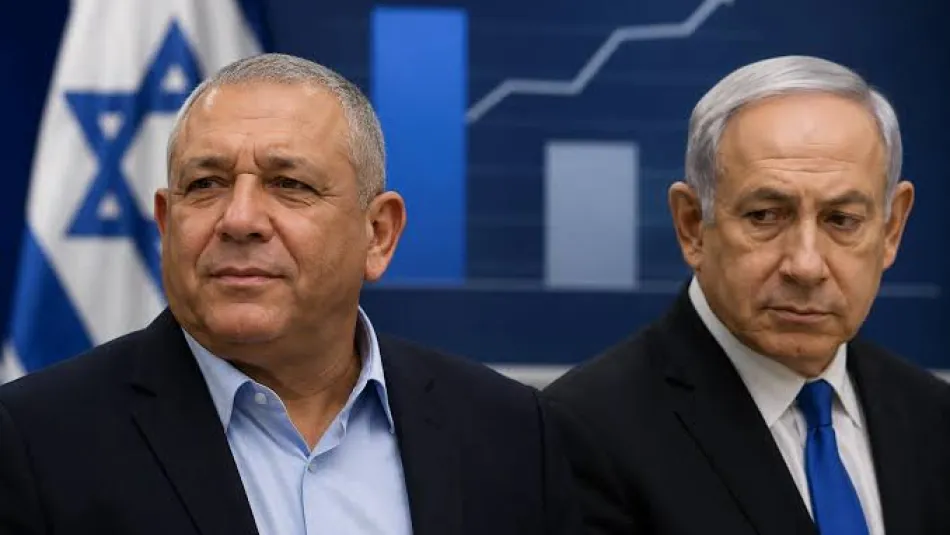
Disagreement has intensified within the "Israeli" political and security scene over how to deal with Iran, after former Mossad chief Dadi Barnea called for swift action to topple the Iranian regime, even if that requires waging a new war, while Gadi Eisenkot argued that there is no direct and immediate Iranian threat requiring action before the government is formed.
Barnea said that "Israel" is required to act firmly to topple the Iranian regime as soon as the appropriate conditions arise, warning against relying on the diplomatic track, which he believed would not succeed in dealing with Tehran’s nuclear ambitions.
He added that Iran possessing a nuclear weapon would give it the ability to exert pressure and blackmail European countries, saying: «Today Israel, and tomorrow Europe».
In contrast, Gadi Eisenkot opposed this approach, arguing that Iran does not represent a direct and immediate threat that necessitates taking military action before the formation of the government is completed.
At the same time, Eisenkot stressed his commitment to holding an official investigation into the events of October 7, affirming that he would not give up on forming an official commission of inquiry to examine the circumstances of those events and the responsibilities associated with them.
The head of the occupation government, Benjamin Netanyahu, responded to Eisenkot’s position, arguing that downplaying or underestimating the seriousness of Iranian threats is tied to political calculations.
Netanyahu said that the Iranian threat is real and dangerous, adding that anyone acquainted with its details realizes the scale of the risks it poses.
The divergent positions reveal a difference in assessing the nature of the Iranian threat and the timing of dealing with it, between calls for military action aimed at toppling the regime and positions that see a need not to rush into a decision to confront before the government is formed.
The file of the official commission of inquiry into the events of October 7 also stands out as another contentious issue in the Israeli political debate, amid continued demands to determine responsibilities for the failures that preceded those events.