Gaza Labor Ministry Warns Collapse of Livelihoods Threatens Palestinian Lives and Deepens Poverty and Unemployment
The Labor Ministry in Gaza has warned of a worsening economic and livelihood collapse caused by the war, noting that unemployment has reached 78 percent and that 92 percent of economic establishments have been damaged or destroyed, while calling for the restoration of the foundations of work and production.
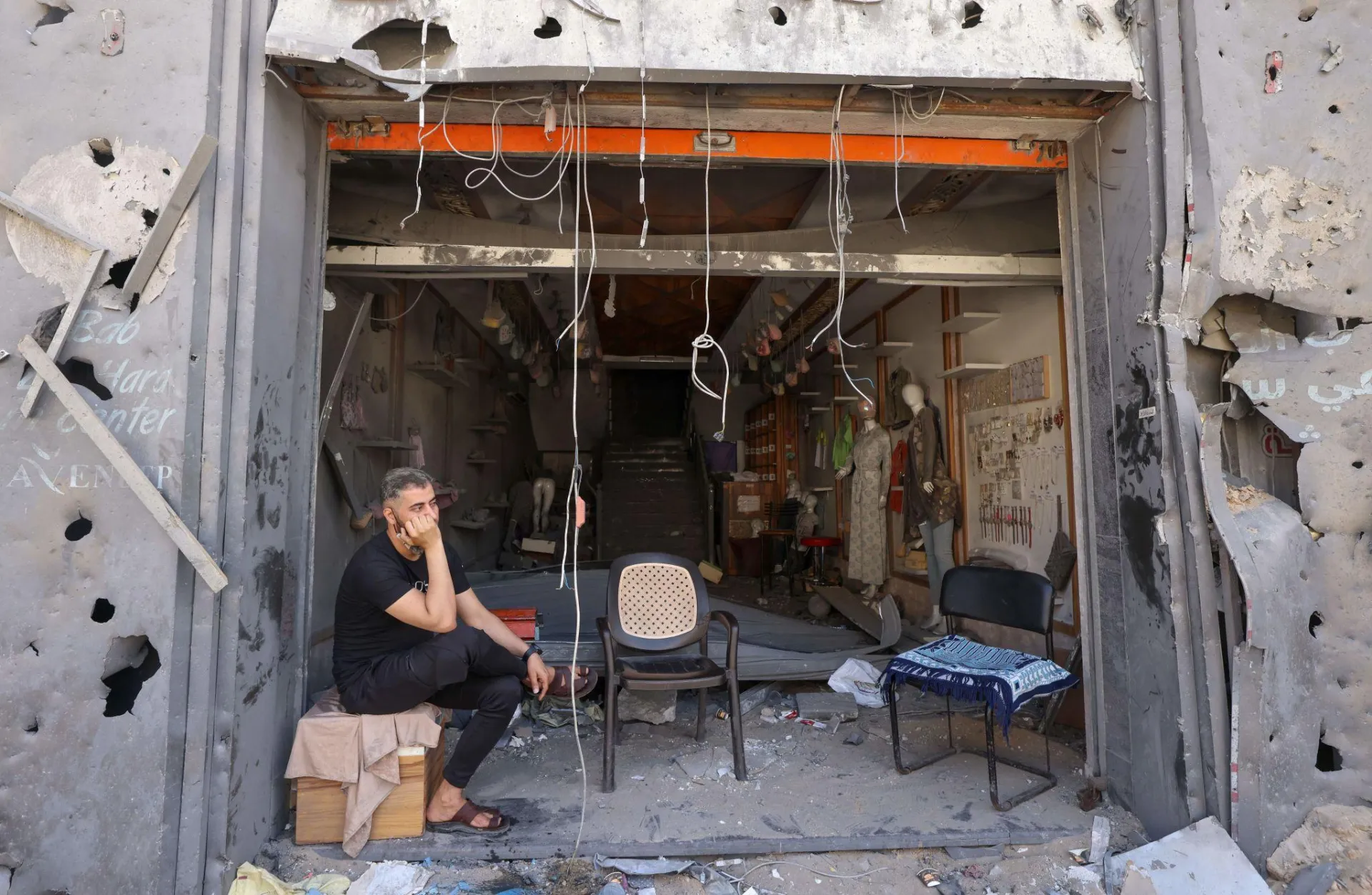
The Labor Ministry in the Gaza Strip has warned of the escalating humanitarian and economic repercussions of the war, affirming that the collapse of livelihoods, the loss of sources of income and the paralysis of productive sectors now pose a direct threat to citizens’ lives, amid widening poverty and hunger, declining basic services and a lack of job opportunities.
In a press statement received by Shehab Agency, the ministry said the repercussions of the war have gone beyond human losses, physical destruction and displacement to affect every detail of daily life, with thousands of families deprived of food, medicine, health care, shelter and sources of livelihood, accompanied by psychological and social burdens that threaten family stability and the future of generations.
It explained that workers, employers, graduates and job seekers are among the most affected groups, due to the destruction of economic and productive establishments, the paralysis of commercial, industrial and agricultural activity and the loss of hundreds of thousands of jobs, which has deepened the unemployment and poverty crises and weakened purchasing power, food security and livelihoods.
The ministry based its remarks on data from the report of the United Nations Conference on Trade and Development (UNCTAD) issued in September 2026, which showed unemployment in the Gaza Strip rising to about 78 percent, the share of the working-age population without work exceeding 90 percent, and around 92 percent of economic establishments damaged or destroyed.
It added that economic output in the Strip contracted by 83 percent during 2024, while productive sectors recorded a sharp collapse, with output in the construction sector declining by 99 percent and in the industry and agriculture sectors by 94 percent each.
On the scale of losses, the ministry noted that the joint assessment by the World Bank, the United Nations and the European Union estimated physical damage to infrastructure in the Gaza Strip at about 35.2 billion dollars, and economic and social losses at about 22.7 billion dollars, while recovery and reconstruction needs reached about 71.4 billion dollars.
It affirmed that these figures reflect a humanitarian catastrophe that goes beyond economic calculations, meaning that thousands of families have lost their sources of income, workers have been deprived of their livelihoods, graduates’ futures have been disrupted, and families’ inability to meet their basic needs has worsened.
The ministry stressed that protecting the Palestinian human being and restoring the foundations of life, work and production are an urgent priority no less important than responding to relief needs, affirming that emergency aid alone is not enough unless accompanied by steps that enable citizens to regain their sources of livelihood and their ability to work and produce.
It concluded by affirming that the continued collapse of livelihoods, the absence of job opportunities and the decline of basic services deepen suffering and deprive society of the foundations of recovery and stability, and that saving the Palestinian human being begins with protecting the foundations of his life, preserving his dignity and restoring his right to work, production and a decent life.