Qeeq to Shahab: Surge in Settler Terrorism Reflects Growing “Israeli” Extremism in West Bank and Inside
Mohammed Qeeq warns of an escalation in settler attacks in the West Bank and inside the 1948 territories, linking them to growing extremism and the continuation of “Israeli” policies against Palestinians.
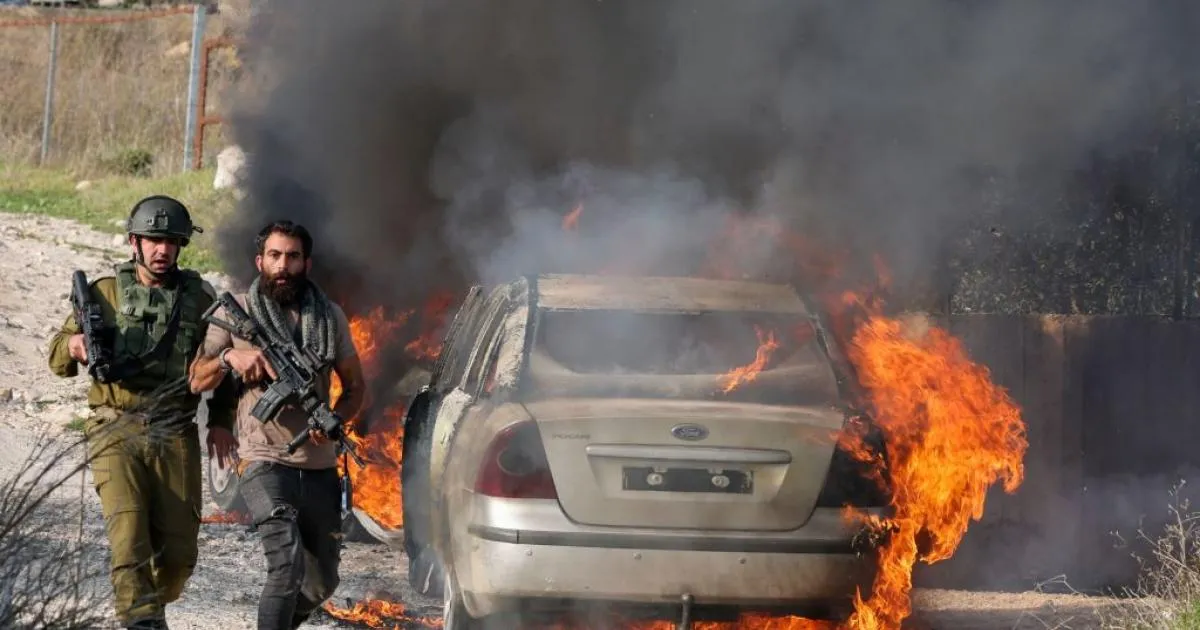
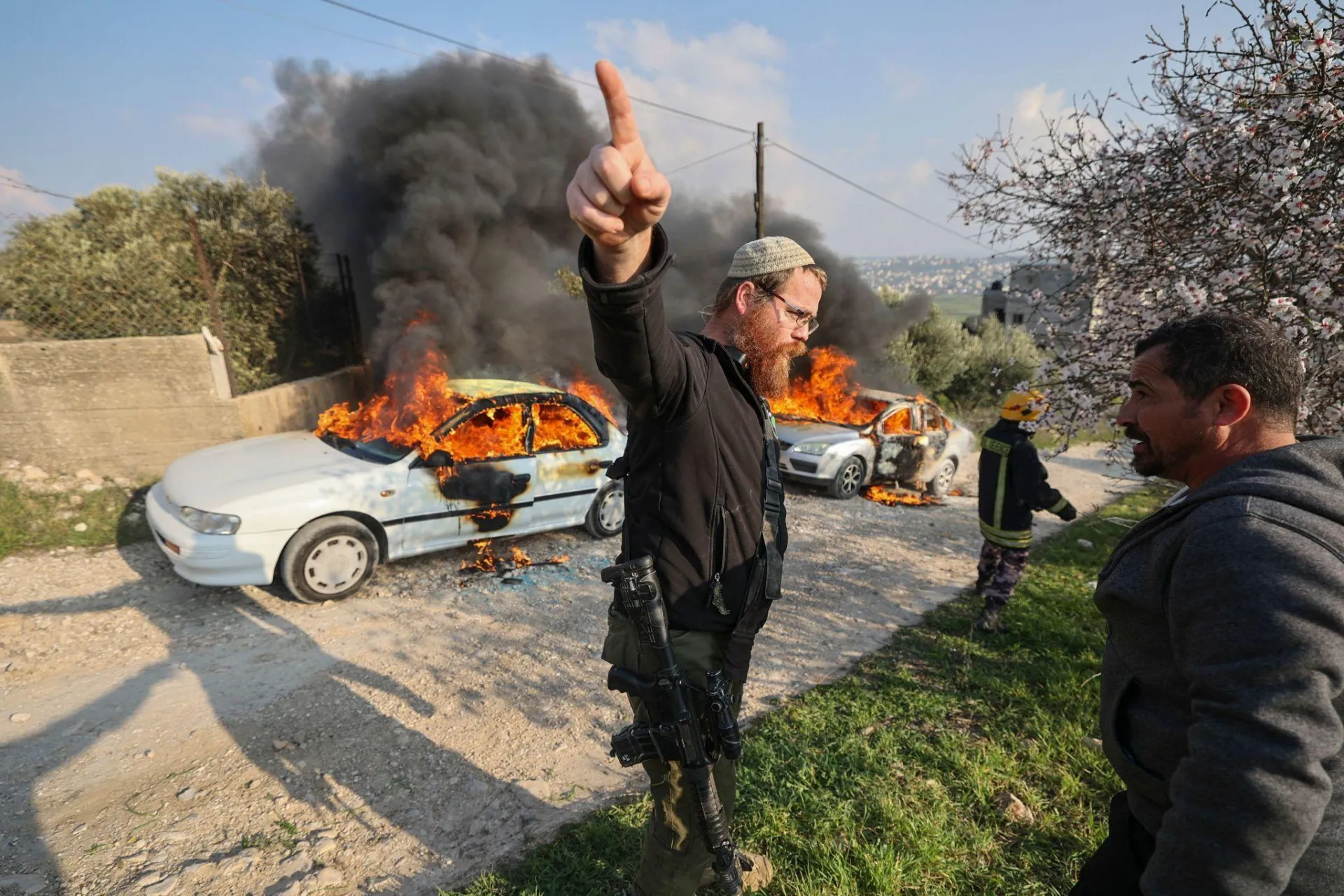
Political analyst Mohammed Qeeq said attacks by settlers and Israeli occupation forces against Palestinians in the West Bank and inside the territories of 1948 are escalating sharply, noting that these attacks coincide with the growth of far-right trends and the continuation of occupation policies targeting Palestinian presence and rights.
In remarks to Shahab News Agency, Qeeq added that settlement attacks are no longer isolated incidents but come within a broader context that includes administrative detentions, house demolitions and threats to demolish homes, the revocation of residencies, and restrictions imposed on Palestinians across various areas.
Qeeq noted that the escalation of settler attacks in the West Bank, accompanied by assaults on residents, their property and their land, reflects the expanding influence of extremist currents within the “Israeli” political scene.
He added that some “Israeli” political voices, including Gadi Eisenkot, may criticise settler attacks, but such positions do not necessarily mean any change in the field policies targeting Palestinians.
He pointed out that the attacks continue alongside ongoing occupation measures in the West Bank and inside, exacerbating Palestinian suffering and threatening their security and stability.
Regarding the “Israeli” political scene, Qeeq said that focus on the possibility of a change of government or the rise of new political forces should not distract attention from the reality of the ongoing attacks on the ground.
He explained that a change of governing coalitions does not necessarily mean a change in policies related to settlement, detentions and demolitions, warning against relying on political statements alone while violations continue.
He also addressed the role of Arab lists in the Knesset, noting the importance of not overestimating their ability to bring about a fundamental change in “Israeli” policies, given the constraints governing the political system and its internal balance of power.
Qeeq stressed that Palestinians in the territories of 1948 likewise face measures including restrictions, the revocation of residencies and house demolitions, in tandem with the attacks targeting Palestinians in the West Bank.
He emphasised that these developments require focusing on protecting Palestinians and following up on the escalating violations, and not reducing the scene to electoral and partisan conflicts within the entity.