Exclusive Settlement Affairs Researcher to Shahab: Settler Attacks in the West Bank Are Organized Terrorism — and These Are the Ways to Confront Them
Mahmoud al-Saifi, a researcher specializing in settlement affairs, has said that settler attacks on Palestinians and their property in the West Bank have escalated unprecedentedly in recent times
Exclusive — Shahab
Mahmoud al-Saifi, a researcher specializing in settlement affairs, has said that settler attacks on Palestinians and their property in the West Bank have escalated unprecedentedly in recent times, especially with the start of the olive harvest season, noting that they are no longer individual attacks but have become collective and organized.
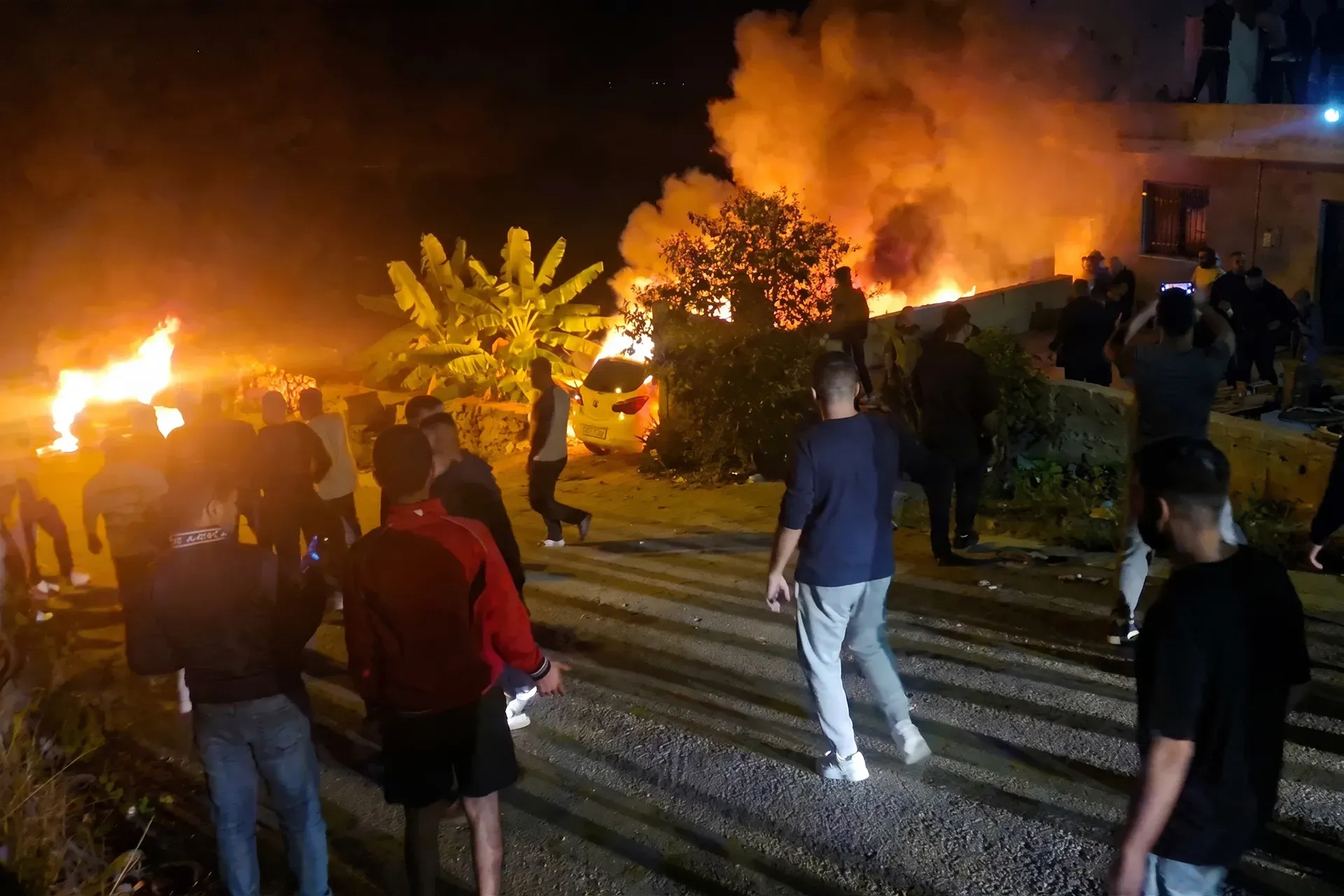
In an exclusive statement to Shahab, al-Saifi said that the attacks witnessed last night in the villages of Deir Sudan, Deir Abu Mash'al, Deir Ballut, al-Mughayyir and Kafr Malik come as part of organized attacks targeting olive pickers and Palestinian homes, and constitute a tool for the occupation government in displacement, the annexation of Palestinian land, the seizure of West Bank lands and the establishment of settlement outposts.
He explained that these attacks aim to create an environment that drives Palestinians out, especially in small Palestinian communities, Bedouin communities and remote villages, particularly on the eastern slopes of the West Bank, as is the case in Duma, al-Mughayyir, Kafr Malik, Beit Dajan, Beit Furik and Qusra.
Al-Saifi noted that the attacks coincide with targeting of Palestinian communities in various areas, especially in Masafer Yatta south of Hebron, where more than 12 communities are threatened with displacement, and Palestinian communities east of the city of Tubas.
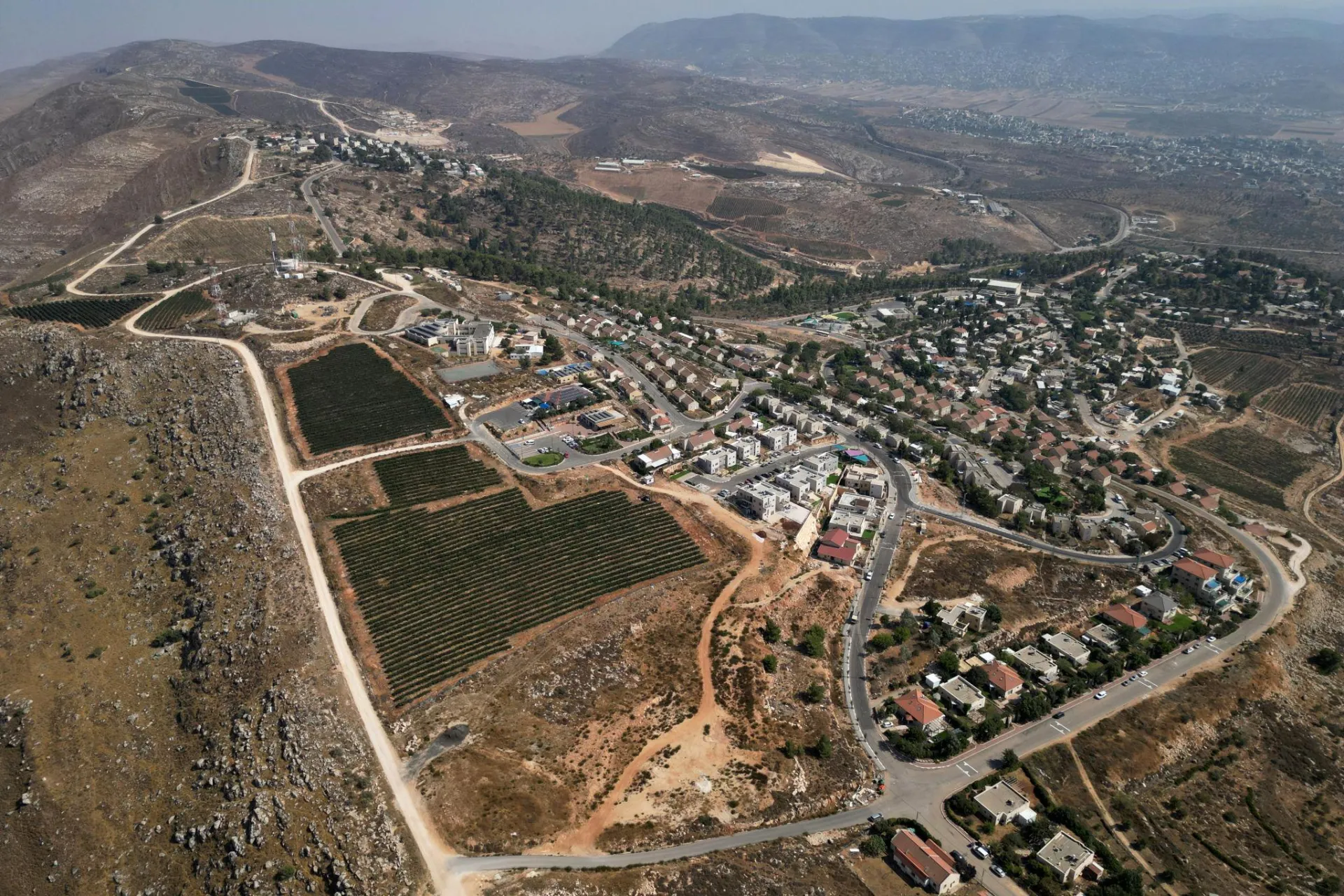
He pointed out that these attacks have produced facts on the ground, most notably the displacement of more than 184 Palestinian communities from Area C over the past three years, the establishment of 259 settlement outposts over the past four years, in addition to more than 250 earlier outposts, and 198 old settlements up to 2019, and the occupation's approval of 104 settlements during Netanyahu's government.
He added that the West Bank contains more than 700 settlement sites, whether settlements, outposts or occupation army camps, alongside bypass roads of which more than 251 kilometers have been paved over the past four years to link old settlements with new and old outposts.
He continued that these figures show that the settlement plan is being implemented no matter how governments change, whether Netanyahu's government, Eisenkot's, or previously Naftali Bennett's, noting that all these governments carry out plans to control more Palestinian land.
He mentioned that settler attacks are inseparable from settlement plans in the West Bank, including the occupation's preparation of a city west of Salfit to absorb 200,000 settlers, alongside expansion in industrial zones, as the occupation seeks to raise their number in the West Bank to 35 industrial zones, compared with more than 20 existing today, equivalent to half the number of industrial zones inside the Green Line, which stands at 70.
He noted that this is accompanied by the issuance of more than 250 military orders for land seizure during 2026, in addition to demolition operations and settler attacks.
Al-Saifi stressed that settler attacks represent organized terrorism, as if they were a hand or arm of the occupation government, citing the Israeli war minister Israel Katz's description that "what the settlers are doing is taking on the role of the occupation army or carrying out its tasks in the West Bank."
He added that the settlers form an arm of the government, alongside the occupation army and police, to control more Palestinian land and displace its residents, through the theft of money and olive harvests and the burning of property.
In the face of these attacks, al-Saifi called for putting the Palestinian house in order and unifying the Palestinian home front to confront settlement plans targeting the West Bank, including the city of Jerusalem, and what is happening in the Gaza Strip.
He also called for internationalizing the confrontation with the occupation legally and in human rights terms, and for moving toward international institutions, especially the International Court of Justice, the International Criminal Court and the Human Rights Council, and for strengthening the existing action before these institutions.
He demanded building on European positions, especially those of Britain, France, Spain and Ireland, and the countries that have imposed restrictions and sanctions on settlement associations and some settlers, and supporting these positions and encouraging other countries to take similar steps.
He also stressed that the Palestinian task is great in the face of this comprehensive aggression, noting that settler attacks coincide with incursions by the occupation army, as a settler attack at one site is accompanied by incursions into other Palestinian sites.