Funerals of the Dead Held Hostage at Checkpoints: Israel Tightens Its Grip on Palestinians’ Right to Bury Their Dead
A report documenting the suffering of residents of the town of Silwad, northeast of Ramallah, in reaching the Kafr Anah cemetery to bury their dead, amid Israeli restrictions on grave digging and the passage of funerals, and ongoing settler attacks, coinciding with the expansion of an settlement outpost and plans to carve new roads in the area, turning the Palestinian right to burial into a hardship that begins before the grave is dug and does not end when the body is laid to
Exclusive / Shehab
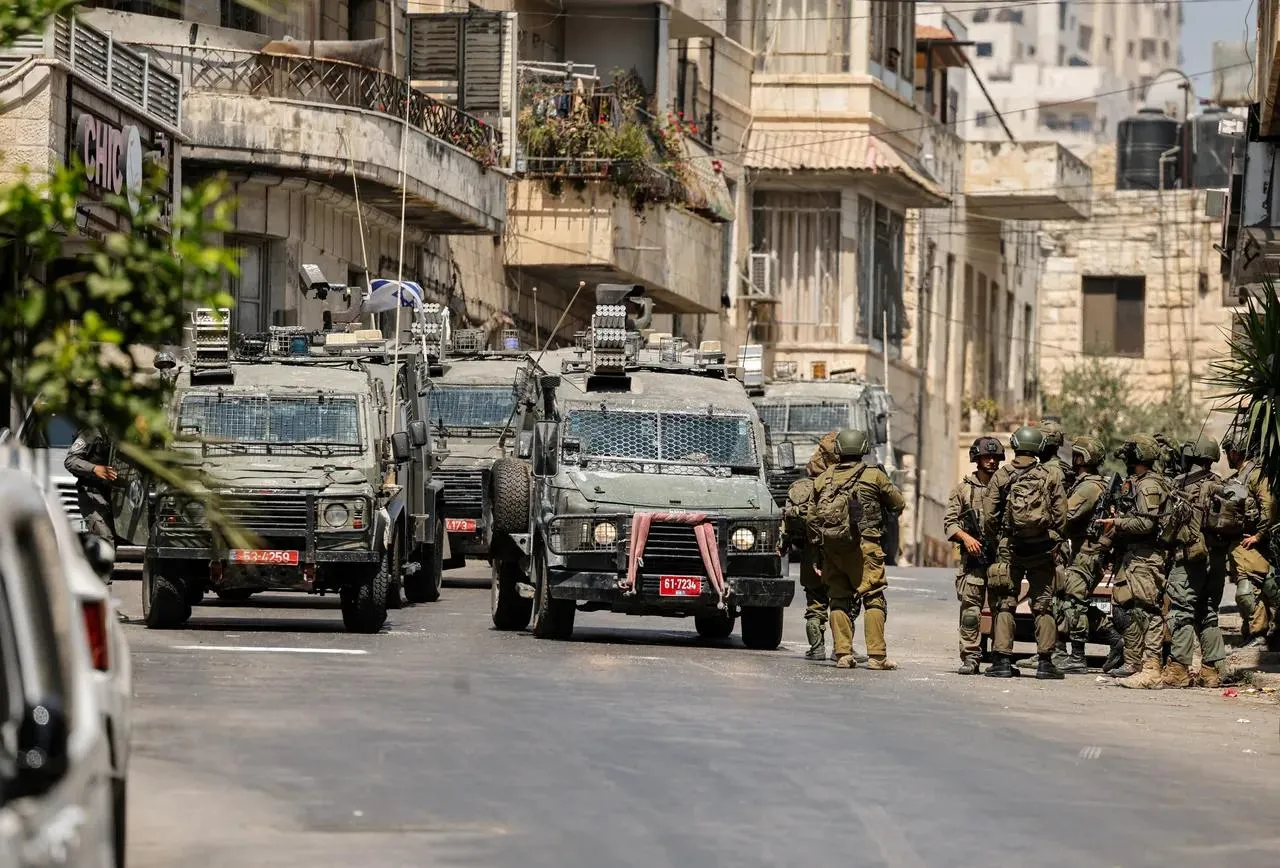
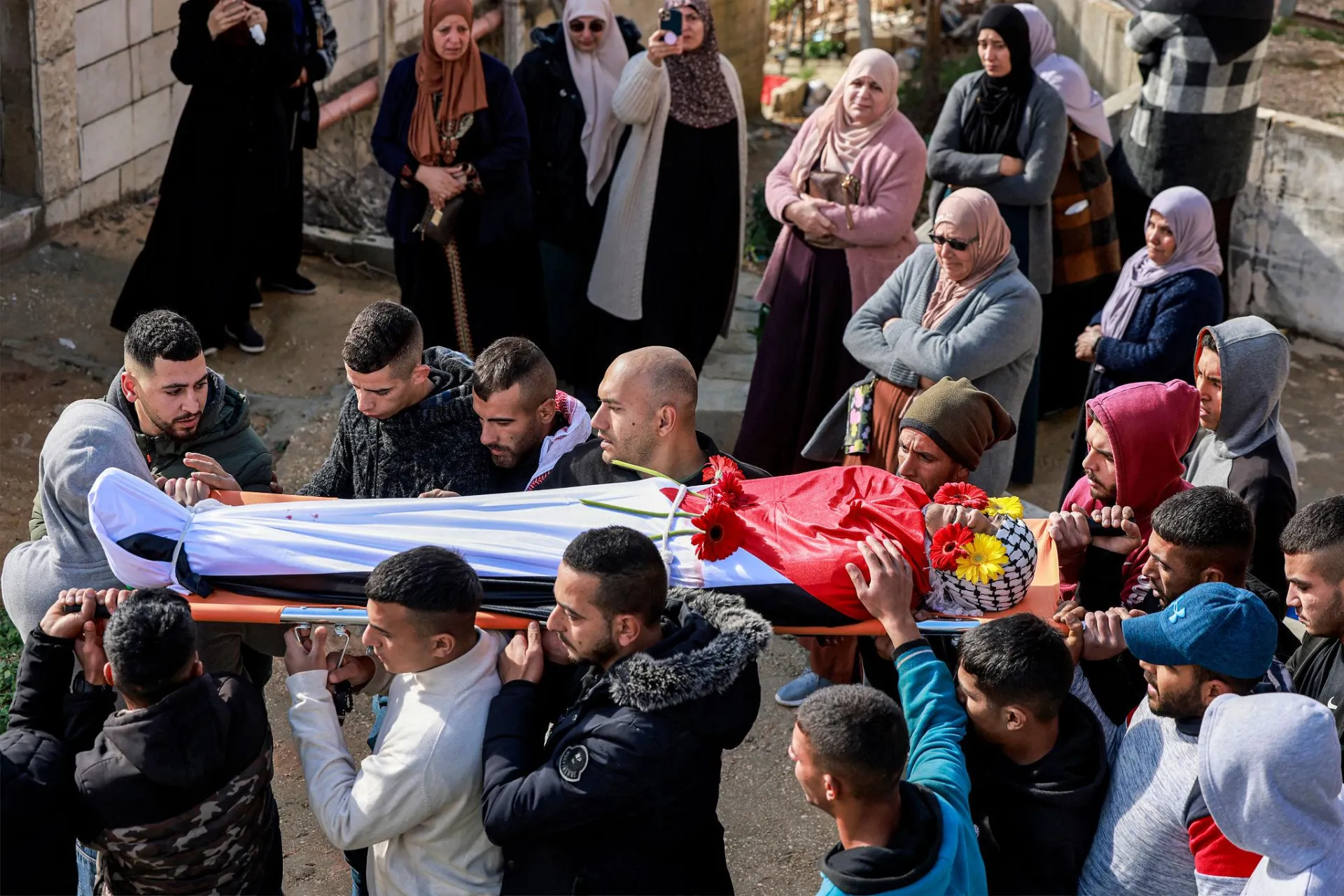
The arrival of the body of Palestinian Nihal Abu Diab from the town of Silwad, northeast of Ramallah, at the cemetery did not unfold like other funerals on their way to their final resting place. Even in the final moments before she was laid to rest, the road remained subject to Israeli restrictions and settler harassment. Mourners were forced to leave their vehicles far from the cemetery and continue on foot so they could cross the military checkpoint that refused to let the funeral through, and after lengthy deliberations the occupation allowed only the vehicle carrying the dead to pass.
Banning Burial
Armed settlers, who were present and moving in four-wheel-drive vehicles near the Silwad cemetery, meanwhile made a point of provoking the mourners and the family of the deceased in an attempt to prevent the burial, in a scene that nearly triggered a confrontation with the mourners, had the settlers not pulled back at the last moment given the large number of residents.
Ahed al-Samirat, an ambulance officer with the Silwad municipality, recounts that the settlers initially prevented the mourners from descending to the cemetery to bury the body, which required contacting the relevant authorities and the military and civil liaison offices, alongside attempts to enlist the Israeli police, who did not show up despite being informed of what was happening.
Al-Samirat says the discussion with the settlers continued for some time, amid fears the situation could escalate into a crisis between the settlers and the mourners, before they backed down in the face of the residents’ insistence and the large turnout, finally allowing the body to pass to the cemetery.
The Reality of the Final Resting Place
That incident was not merely an obstruction of Abu Diab’s funeral, but a picture of the reality Silwad residents face every time they need to reach their cemetery, where transporting the dead and completing burial rites have become tied to checkpoint procedures and settler movements, to the point that escorting a body to its grave has become a perilous task.
Al-Samirat notes that the cemetery, known as the “Kafr Anah cemetery,” is located at the southern entrance of the town northeast of Ramallah, and its area is exactly 35 dunams. It is endowment land on which the cemetery was established in 2010.
The cemetery is bordered by the Yabroud road on the side opposite the military tower, while Route 60 separates it, and another military tower stands alongside it, making its location surrounded by manifestations of Israeli military presence and restrictions imposed on the area.
A special committee oversees the cemetery, following up on its affairs and organizing digging work and preparing graves on a regular basis, with 20 to 25 graves prepared each time to meet the residents’ needs.
In recent times, the cemetery has been subjected to continuous harassment by settlers who are permanently present at its edges and at its entrance, tightening restrictions on passersby and preventing residents from reaching it and visiting their relatives’ graves, in addition to harassing and assaulting them.
For his part, former Silwad mayor Raed Hamed says the settlers headed to the cemetery on the morning of Mrs. Abu Diab’s funeral and prevented volunteers from preparing a grave for her, before the Israeli army set up a military checkpoint at the western entrance of the town, some 150 meters from the cemetery, further complicating the mourners’ access.
Prior Coordination
He adds that the Israeli army informed residents they must obtain prior coordination from the Palestinian liaison office before beginning to dig graves, on the pretext that the cemetery falls within areas classified as (C) under the Oslo Accords, which placed families before restrictions even in preparing a place to bury their dead.
The cemetery guard, Odeh Hamed, faces these restrictions daily, after they prevented him from continuing the grave preparation work he used to complete with the help of volunteers from the town. He explains that he used to dig 20 to 40 graves in advance so they would be ready when needed, but this work has become impossible due to pursuit by the occupation and settlers.
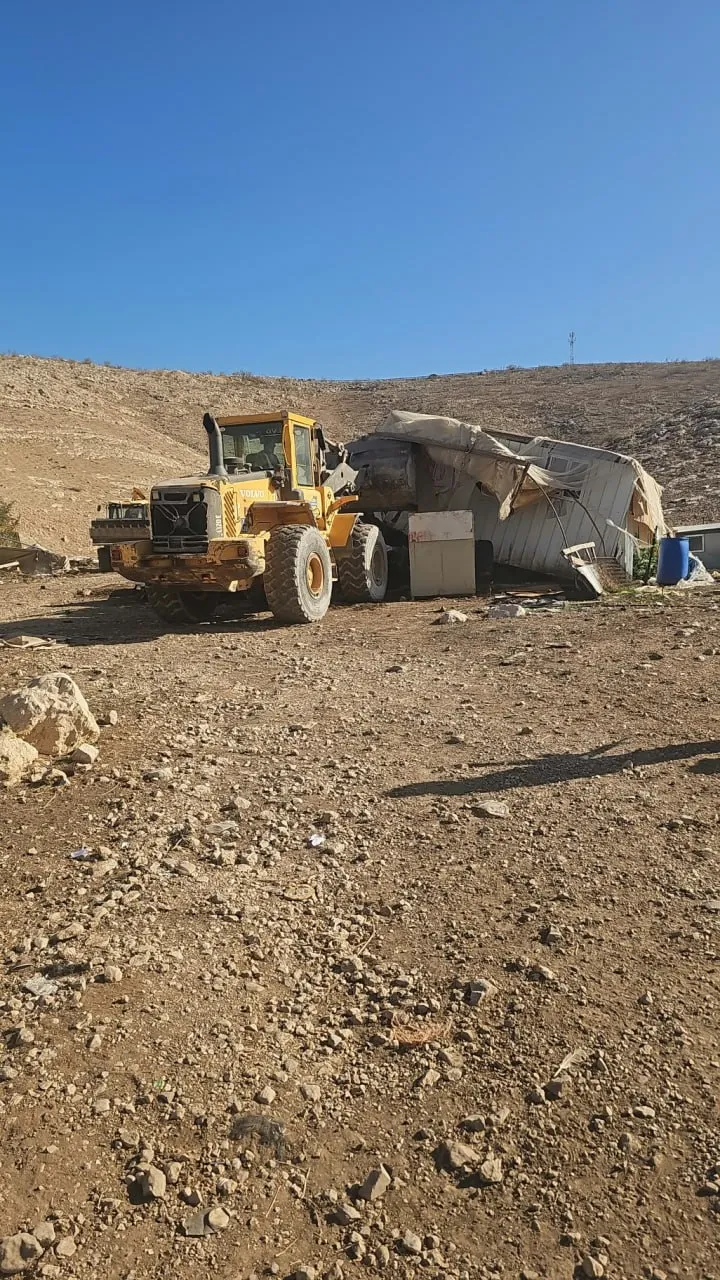
Hamed recalls that about a week ago, he tried with some volunteers to dig graves using heavy machinery, but the Israeli army intervened after being summoned by settlers and detained the volunteers for about four hours before releasing them and informing them they must obtain prior coordination.
He adds that despite attempts to communicate with the relevant authorities to obtain approval, they were unable to resume work, so they resorted to small manual digging tools in an attempt to break through the hard rock that characterizes the cemetery’s ground.
Our attempts continued over two full days without managing to prepare a single grave, while a small drone launched by settlers to monitor their movements pursued them.
Odeh Hamed says the last grave digging work dates back about five months, coinciding with the beginnings of establishing a settlement outpost some 300 meters from the cemetery, which has made reaching the cemetery more dangerous. He can no longer head there alone, but must bring along one of his sons or one of the town’s residents in anticipation of any assault.
Pursuit and Assaults
He explains that the matter was not limited to monitoring his movements and preventing him from working, as over his roughly seven years of work he has been subjected to repeated pursuits and assaults, including the smashing of his truck’s lights and windows while he tried to flee settler attacks, and at times he was forced to leave his vehicle near the cemetery and move away for fear of being assaulted.
But the cemetery, established as a solution to the burial crisis, has over the years become a destination that is difficult to reach; it is separated from the town by an entrance controlled by an Israeli military gate, which the Israeli army opens and closes according to its procedures, and where it sets up a military checkpoint at various times.
On previous occasions, families were forced to wait for permission to pass and to contact the Palestinian liaison office to request the road be opened, even for half an hour, so they could escort their dead and bury them.
The establishment of the settlement outpost near the road leading to the cemetery increased its danger, after settlers began using it to reach the outpost, leaving the guard, volunteers and residents exposed to pursuit and assault, even while trying to clean and maintain the cemetery or visit their relatives’ graves.
The dangers surrounding the Kafr 'Ana cemetery are not limited to settler attacks and their harassment of residents; they coincide with ongoing settlement expansion in the area. In August 2026, the National Bureau for the Defense of Land and Resistance to Settlement documented the expansion of the settlement outpost built on Silwad's lands, specifically on plot No. (63) of basin No. (16).
In the same context, the Wall and Settlement Resistance Commission revealed plans to carve out settlement and security roads on Silwad's lands and their surroundings, starting from the settlement Route (60) and passing through the Kafr 'Ana area and the landfill road, toward the lands of Ein Yabrud and Dura al-Qar', and on to the Beit El settlement, along with another route linking the town's lands to surrounding areas.
Fraught with Danger
This expansion threatens to further isolate Palestinian lands and restrict their owners' access to them, as well as to increase the dangers on the road leading to the cemetery, which has become fraught with settler harassment and occupation restrictions even during the funerals and burial of the dead.
The residents of the town find themselves facing a question that goes beyond the difficulty of reaching the cemetery: how can a family bid farewell to its deceased and bury them with dignity if it must wait for prior coordination to dig the grave and a military permit to reach it, and face on its way settlers who may prevent even the completion of the burial ceremonies?