FBI and USDA Hacks Put Sensitive Data at Risk
Cyberattacks target the FBI and the US Department of Agriculture, amid fears of leaked security, criminal and sensitive biological research data.
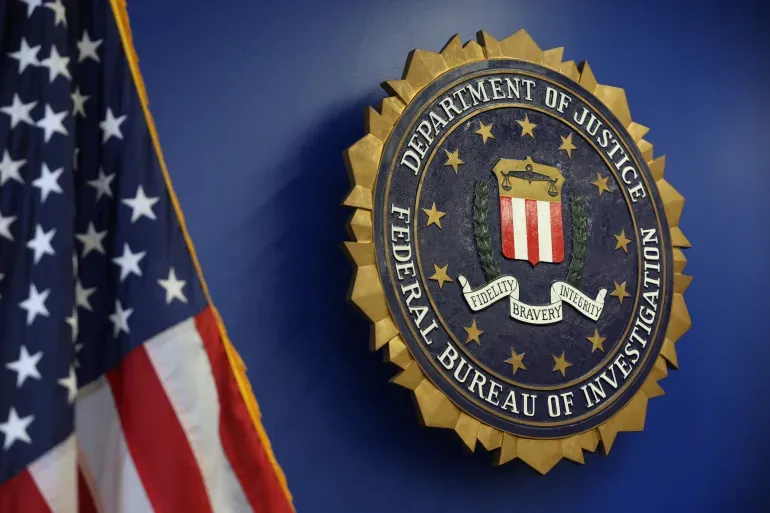
The US Federal Bureau of Investigation (FBI) and the US Department of Agriculture have been hit by two cyberattacks targeting sensitive systems and databases, amid fears that hackers gained access to security and government information and scientific research, at a time when the identity of those responsible and whether the two attacks are linked remain unclear.
US networks NBC and CNN reported the two breaches, noting that the FBI has opened an investigation into a hack believed to have targeted its National Crime Information Center, while the Agriculture Department's payments system for farmers was hit in a separate attack.
Trump: We don't know who is behind the hack
US President Donald Trump commented on the breach of FBI systems, confirming he was aware of the incident and expressing concern over its potential fallout.
In an interview with Fox News, Trump said US authorities have so far been unable to identify who was behind the attack, warning that information related to sensitive files and cases could be exposed.
He indicated that the breach could allow access to data related to investigations connected to Russia and Ukraine and to claims of fraud in US elections, arguing that access to such information could reveal details that were not previously known.
A sensitive criminal database in hackers' hands
According to CNN, the investigation is focused on the possible breach of the National Crime Information Center, a key database linking federal, state and local law enforcement agencies in the United States.
The database contains information related to arrest warrants and criminal records, and is used daily by police officers and security agencies to verify people's identities, review judicial warrants and search for wanted individuals.
A former FBI official warned of the danger of hackers accessing or tampering with this data, noting that any change to its accuracy could directly affect the safety of law enforcement personnel and the public.
The incident, if its details are confirmed, would be the second breach targeting the bureau's systems since last September, when its recruitment website was hit by a cyberattack carried out by the extortion group known as "ShinyHunters," exposing the personal data of current and former employees.
Agriculture Department: fears of biological research leak
In a separate incident, the electronic system responsible for facilitating payments to farmers at the US Department of Agriculture was hit by a cyberattack, according to NBC, citing former officials at the department.
The breach raised fears that the system could be exploited to reach more sensitive databases, particularly information related to biological research the department is working on.
One former official warned that access by hostile or rival parties to this information could allow them to use US research against the country's interests.
The nature of the data the attackers were able to access has not yet been clarified, nor is it known whether the Agriculture Department breach is linked to the attack targeting the FBI.
Widespread technical outages and the dismissal of the cybersecurity chief
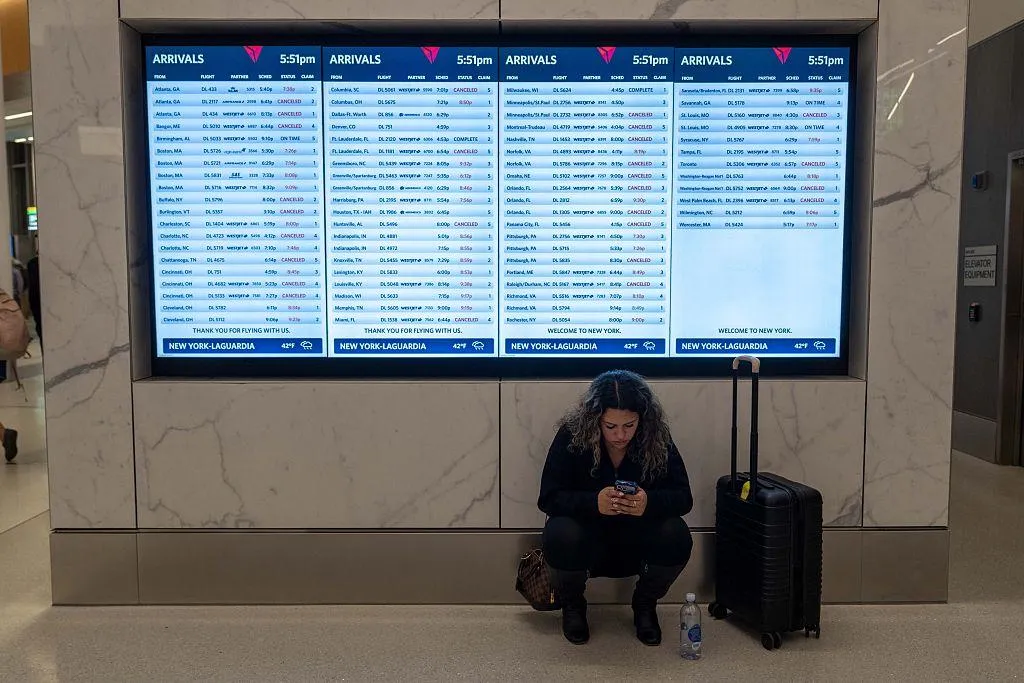
The breaches coincided with a series of technical outages in the United States in recent weeks that affected vital sectors including aviation, communications, digital services and e-commerce.
Among the most notable incidents was the outage of Microsoft's Outlook service, accompanied by disruption to services used by hundreds of millions, along with the disruption of civil aviation and the cancellation of more than 18,000 flights, as well as problems affecting a secret communications network used by the US National Security Agency.
Despite the timing, reports did not link the two cyberattacks to the technical outages experienced by US institutions.
Amid mounting criticism over the readiness of digital infrastructure, the administration of President Donald Trump dismissed National Cyber Director Sean Cairncross, a step that came amid growing questions about the efficiency of the US digital protection system.
The United States faces growing challenges in protecting its government systems and vital databases, as cyberattack methods evolve and the targeting of public and private institutions widens.
Breaches of security institutions carry particular sensitivity, given that their systems contain information related to public security, criminal investigations and personal data, while targeting agricultural institutions could threaten payments data, scientific research and sectors linked to food security.
These incidents raise fresh questions about the ability of US institutions to protect their digital infrastructure and their readiness to deal with attacks targeting more than one vital sector in close succession.