Analysis Shekel Slides 8.5% Against the Dollar: What Is Behind the Drop and How Will Palestinian Consumers Be Affected?
The shekel’s 8.5% decline against the dollar reflects global pressures and political risks. Learn about the possible scenarios and their direct impact on commodity prices for Palestinian consumers.

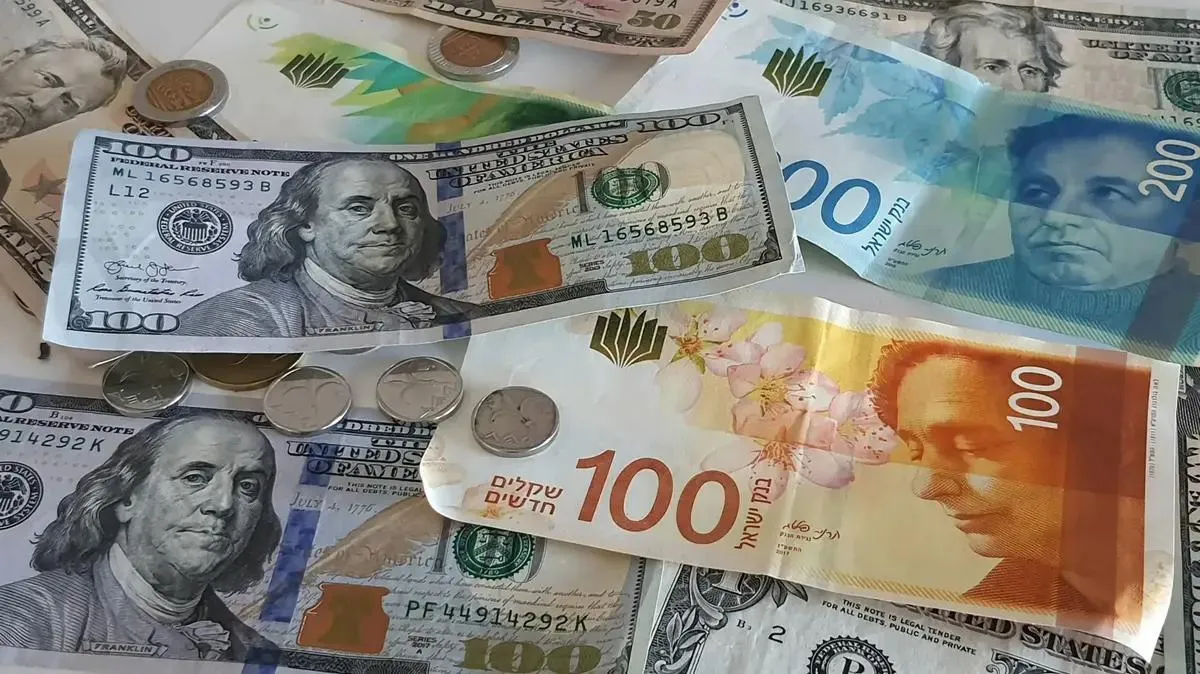
The depreciation of the "Israeli" shekel against the dollar and other currencies reflects a mix of global pressures and domestic risks that are reshaping investors’ decisions and driving them toward safer assets, after the shekel lost about 8.5% of its value against the dollar in a single month.
The dollar has risen above 3.35 shekels, amid economic readings that sketch divergent currency scenarios and reveal a direct and varied impact on Palestinian consumers in the West Bank and the Gaza Strip.
In an analytical reading, economist Ahmed Abu Qamar says the shekel’s decline is tied to three main factors. The first is the dollar’s global strength, as growing expectations of a US interest rate hike boost the appeal of dollar investments; with higher returns on US assets, money flows toward them at the expense of other currencies.
The second factor is financial turbulence, as the decline in technology stocks and investor concerns over artificial intelligence investments push toward reducing risk and turning to the dollar as a safe haven in times of volatility. The third factor is tied to "Israeli" political risks, where uncertainty over government formation and the possibility of new elections raises the risk premium and pushes financial institutions to increase their foreign currency reserves and reduce their exposure to the shekel.
The economic expert tells Shehab News Agency in a special interview that the pressures are mounting with a potential divergence in monetary policy; the move toward cutting "Israeli" interest rates while US rates rise makes holding dollars more attractive and widens the yield gap between the two currencies.
However, a weaker shekel is not an absolute gain for the "Israeli" economy; although some exports benefit from the currency’s depreciation, the cost of imports, raw materials and energy rises in return, threatening to increase inflationary pressures on consumers and companies.
Scenarios for the dollar and the shekel
In a related context, Abu Qamar explains that forecasts point to the possibility of the dollar gaining further momentum to reach levels in the early 3.40s in only one case, against an opposite scenario in which the shekel could recover some of its losses and rise back to levels in the 3.20s, meaning around 3.2 to 3.1 shekels, which represents strength and an increase for the shekel.
Abu Qamar notes that this positive scenario for the shekel is tied to Gadi Eisenkot succeeding in forming a stable "Israeli" government, and to markets and investors receiving a clear signal that this government will not fall apart and will remain in power in "Israel" for a long period.
On how exchange rate movements affect Palestinian consumers in the West Bank and the Gaza Strip, Abu Qamar points to a phenomenon known as "price rigidity" in the Gaza Strip, meaning that once prices rise they do not fall; when the shekel was previously strong, ranging between 2.8 and 3 shekels, prices should have fallen because imported goods become cheaper for the trader who imports in dollars and sells or holds his money in shekels, but that did not happen in Gaza due to the monopolistic nature of the market, while when the dollar rises, price increases can be observed in the Strip.
By contrast, Abu Qamar explains that price increases in the West Bank amid a rising dollar are natural; the importer must pay more shekels to buy dollars and import goods from abroad again, so a rise in the dollar against the shekel harms imported goods by raising their prices, while exporters benefit greatly from the dollar’s strength.