Environmental Expert Says Israel Uses Nature Protection to Erase Palestinian Identity and Sever Ties to the Land
Palestinian environmental expert Yazan Al-Aboushi warns at the COP31 climate conference that Israel is using nature protection laws to erase Palestinian identity and restrict agricultural and heritage practices, pointing to the targeting of olive trees and wild thyme.
Palestinian-American environmental scientist Yazan Al-Aboushi has warned that Israel is using environmental policies to alter the identity of Palestinian land and erase its people's historical connection to it, stressing that measures presented under the banner of nature protection are used to restrict Palestinian agricultural and heritage practices, while settlement activities that harm the environment are overlooked.
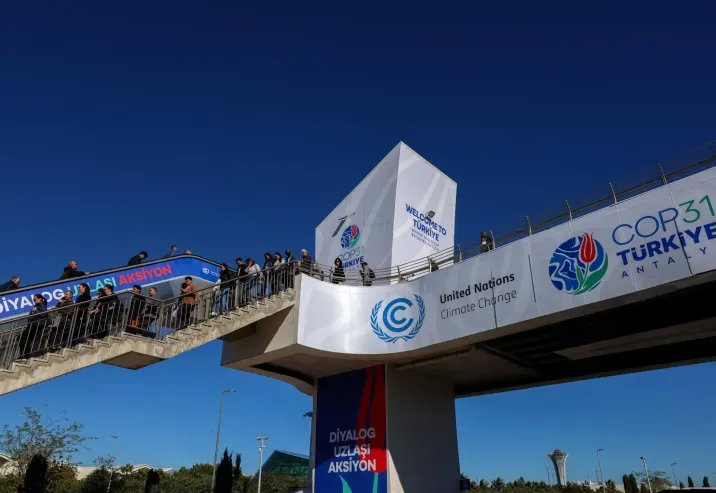
Speaking during a intervention at the 31st Conference of the Parties to the United Nations Framework Convention on Climate Change (COP31), held in Turkey's Antalya province on Friday, Al-Aboushi said what he described as "environmental misinformation" consists of using nature protection slogans and environmentally friendly practices to justify policies targeting people and land.
Al-Aboushi, an environmental scientist and filmmaker from a Palestinian refugee family, reviewed examples of policies that have affected Palestinian areas, pointing to the area that once contained his family's village and is today known as "Sidna Ali National Park," arguing that its conversion into a nature reserve contributed to reshaping its historical identity.
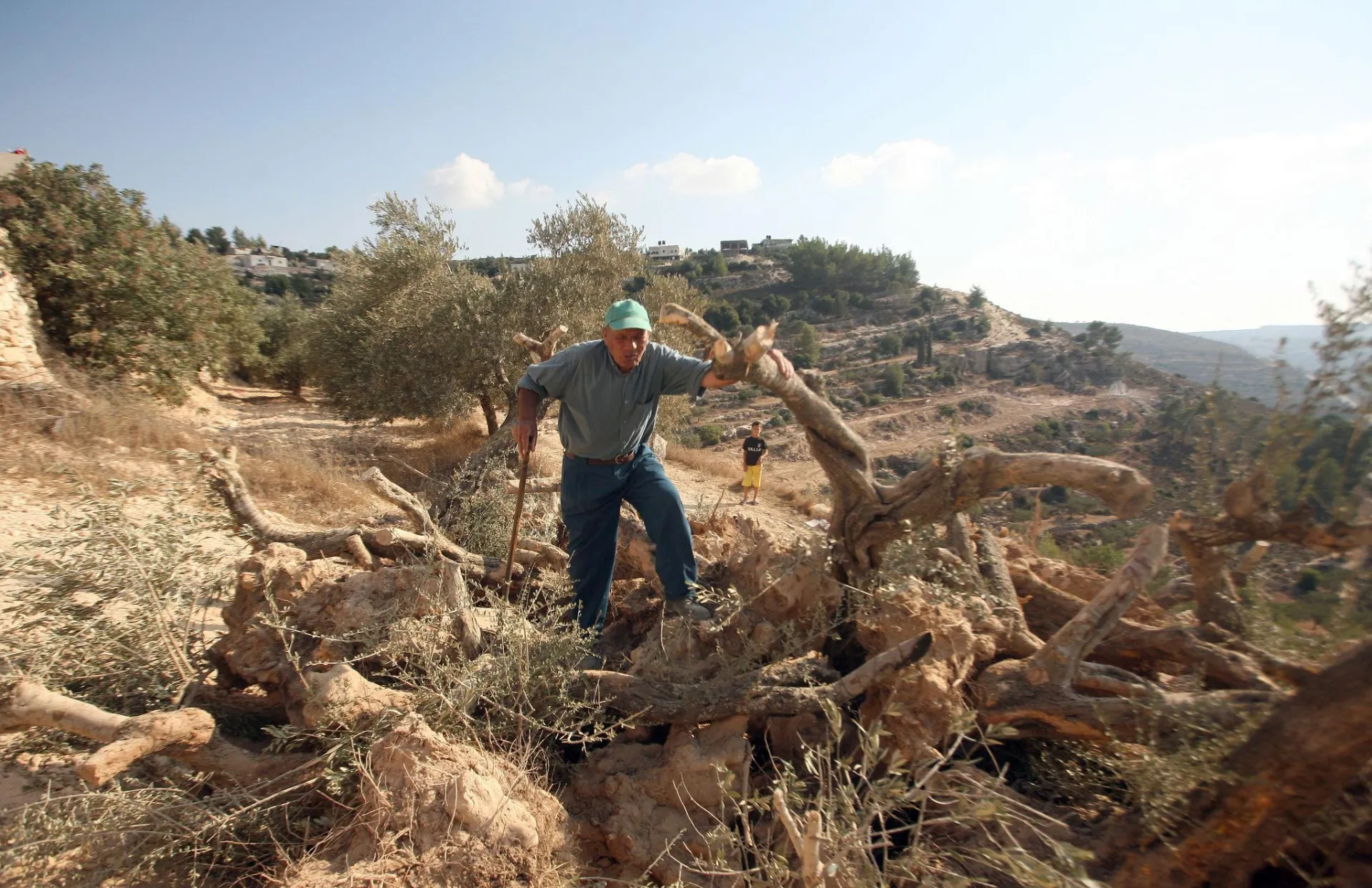
Discussing the targeting of agricultural resources, he noted the uprooting of around 800,000 olive trees in the area and the resulting damage to nearly 80,000 Palestinian families.
He also addressed the restrictions imposed on gathering wild thyme, which is part of Palestinian food and cultural heritage, explaining that the occupation authorities restrict its harvesting under the pretext of protecting the environment, while not applying the same standards to the impact of settlement construction and expansion on vegetation.
He pointed to the paradox of settlers beginning to cultivate wild thyme in the same year that the occupation imposed restrictions on Palestinians gathering it, arguing that these practices reveal the discriminatory use of environmental laws.
Al-Aboushi also criticized attempts to link local products rooted in Palestinian culture to Israeli identity, in the broader context of policies targeting Palestinian heritage and the population's relationship with their land.
His intervention sheds light on one aspect of the impact of Israeli policies on the Palestinian environment, whose repercussions are not limited to destroying natural resources or restricting their use, but extend to agricultural and cultural heritage and historical ties to place.