Gaza Bleeds as the World Tests Its Conscience: Iraq Between a Steadfast Stance and History’s Responsibility
Gaza today is not merely a geographic spot contested by wars, nor is its news a set of figures that top the bulletins and then vanish once the broadcast hours end; it is an open wound in the conscience of humanity

Gaza today is not merely a geographic spot contested by wars, nor is its news a set of figures that top the bulletins and then vanish once the broadcast hours end; it is an open wound in the conscience of humanity, and a living witness to the international community’s inability to turn the principles of justice and human rights into real positions that protect the innocent.
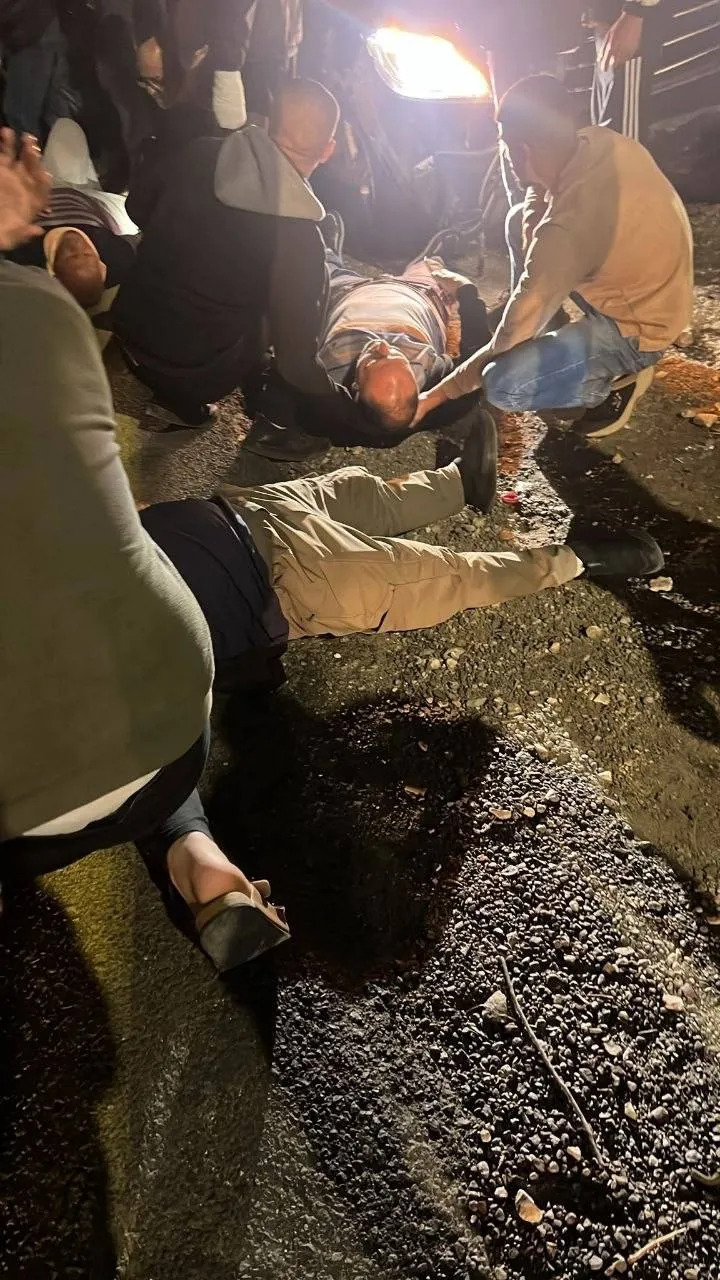
In Gaza, the tragedy does not end with the sounds of bombardment or the scenes of destruction; there is another, harsher tragedy, embodied in families exhausted by displacement, children facing the cold and rain inside tents that do not shield them from the severity of winter, and patients waiting for a chance at treatment amid a wide collapse of the health system and a shortage of medical and humanitarian supplies.
With the arrival of winter rains, the tents of the displaced have turned into spaces flooded with water, compounding the suffering of thousands of families who have found no roof to protect them from the rain, nor safe ground to settle on. The continuation of military operations, despite the ceasefire agreement, also exposes the fragility of the calm and confirms that a ceasefire acquires its true value not merely upon its announcement, but through the extent of commitment to it, the protection of civilians, and ensuring the arrival of aid without obstacles.
What Gaza witnessed in the targeting of Nasser Hospital in Khan Younis, and the martyrs, wounded and damage to medical facilities it left behind, represents a new reminder that health institutions must remain beyond the conflict, and that protecting patients and doctors is not a political favor, but an obligation imposed by laws and humanitarian norms.
The Palestinian tragedy can no longer bear statements of condemnation alone; what is required is an international position that goes beyond the language of concern to practical measures, ensuring the protection of civilians, the opening of crossings, the entry of food, medicine, fuel and shelter materials, and the start of rebuilding what the war has destroyed, far from any projects for displacement or the diminution of the rights of the Palestinian people.
As for Iraq, its position on the Palestinian cause is not an emergency stance imposed by the circumstances of the moment, nor a political discourse tied to balances of interest, but an extension of a long history of solidarity with the Palestinian people, and a firm belief that Palestine is a cause of right, justice and human dignity.
Iraq has continued to affirm its support for the legitimate rights of the Palestinian people, foremost among them the right to self-determination and to establish an independent state with Al-Quds Al-Sharif as its capital. It has also embodied this position through its political, diplomatic and humanitarian stances, as well as through its legislation criminalizing normalization with the Israeli entity.
In a development reflecting the continuation of this attention, Iraqi President Nizar Amidi affirmed, during his meeting with Palestinian Prime Minister Mohammad Mustafa in Antalya on November 11, 2026, that the continued suffering of the Palestinians places the international community before its moral, legal and humanitarian responsibilities, stressing the need to take practical steps to protect civilians, put an end to violations and guarantee the legitimate rights of the Palestinian people.
Baghdad’s hosting of the meetings of the 52nd session of the Council of Foreign Ministers of the Organization of Islamic Cooperation, and the affirmation of the centrality of the Palestinian cause contained in the Baghdad Declaration, also place Iraq before an important opportunity to strengthen its diplomatic presence and transform declared positions into paths of action and tangible humanitarian and political initiatives.
Here the responsibility of Iraq emerges in its various dimensions; Iraq, with its historical weight, Arab and Islamic standing and political experience, can be an effective voice in demanding an end to violations, coordinating Arab and Islamic efforts, supporting the arrival of humanitarian aid, contributing to the reconstruction of Gaza, and defending the right of Palestinians to live in freedom and dignity on their land.
But a responsible position is not measured by the strength of its phrases alone, but by its ability to make an impact. Every political position should find its way to diplomatic action, every humanitarian solidarity should turn into assistance that reaches those entitled to it, and every Arab or Islamic decision should be followed by clear mechanisms for implementation.
Gaza is not alone… and Iraq is not far from the pain
Palestine is not the cause of the Palestinians alone, just as the tragedy of Gaza is not a test for the Arabs alone; it is a test of the concept of international justice, of the credibility of the institutions that have long spoken of human rights, and of the world’s ability to protect the human being when he is the victim of war, siege and displacement.
From Iraq, which has known the meaning of pain, wars and destruction, the Palestinian tragedy appears closer to the popular conscience; the Iraqi who has tasted the bitterness of loss knows well that behind every number is a human being, behind every destroyed home a family, and behind every child who has lost his future a story that words cannot sum up.
What is required today is not for Gaza to remain present in memory during moments of sympathy and then fade when the headlines change; what is required is for it to remain present in political decision-making, in humanitarian work, and in the global conscience.
In the end, Iraq’s position on Palestine will remain a test of its fidelity to its history and principles, just as Gaza will remain a test of the conscience of the entire world. Nations are measured not only by the power they possess, but by the principles they carry, and states are immortalized not so much by their speeches as by their positions when the truth is costly and justice needs someone to defend it.
Gaza will remain greater than the siege, deeper than the wounds, and stronger than attempts to erase its cause. The right of the Palestinian people to life, freedom and dignity will remain a right that does not lapse with the passage of time. As for Iraq, Palestine will remain in its conscience a cause of right, in its position a responsibility, and in its history a page that must not be folded.