Jerusalem Families Held Hostage by Gates and Fines as Wadi al-Rababa Residents Face a Guillotine of Restrictions
Road closures, parking restrictions and financial penalties are pursuing about 20 Palestinian families in Wadi al-Rababa in Silwan, amid settlement and judicial measures that threaten their access to their homes and basic services and deepen fears of tightening restrictions and displacement.
Exclusive / Shehab
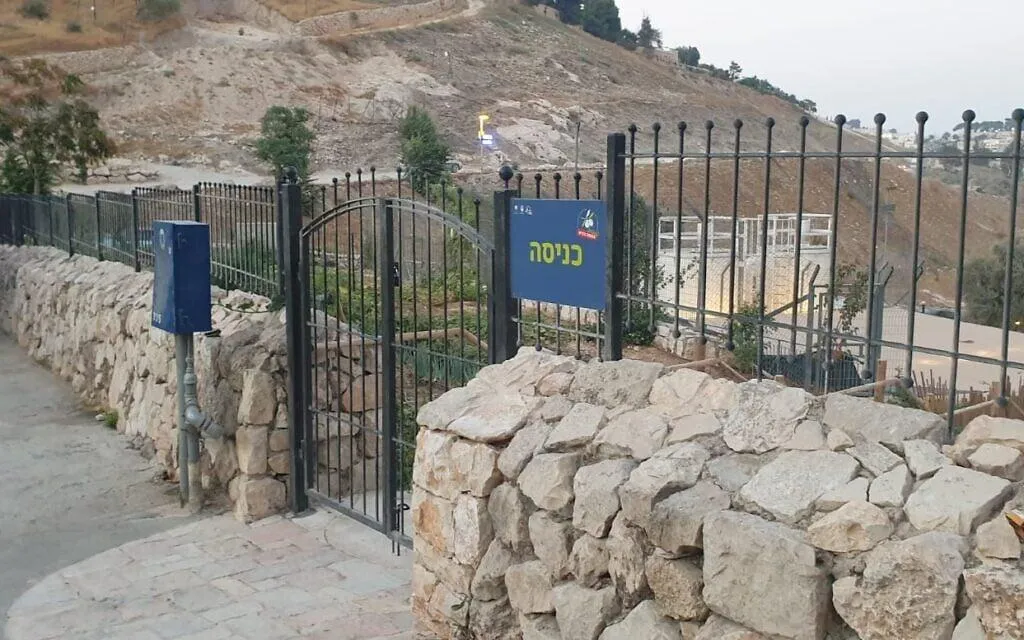
Reaching any home in Wadi al-Rababa in the town of Silwan, south of the Al-Aqsa Mosque, is no longer a matter of road and distance, but has become tied to an iron gate, judicial conditions and financial fines, in a reality facing about 20 Palestinian families after an Israeli settlement association calling itself “Heverat Kadisha” imposed restrictions on the use of the entrance they rely on to reach their homes.
The association bases its position on the presence of a historic Jewish cemetery known as “Sambuski,” which was used to bury the poor of Jerusalem. However, the current dispute is not about the existence of the historic cemetery itself, but about its extension into lands and passageways that Palestinians have used for decades, including a parking lot and a road leading to their homes. Residents affirm that these areas did not contain graves, while the Israeli organization “Emek Shaveh” notes that the parking lot and the road lie outside the actual burial area.
Pursuit and fines
But the repercussions of this dispute have gone beyond the question of land ownership or its nature, reaching the details of the families’ daily lives; the targeted entrance is not merely a space for parking cars, but the outlet on which Palestinian families depend to reach their homes and bring in their basic needs and services.
The danger of the restrictions grows with the difficulty of the other entrances, which include stairs and steep slopes, making access to the homes more arduous for the elderly and persons with disabilities, and raising fears about the ability of ambulances, fire engines, fuel trucks and service vehicles to reach them when needed.
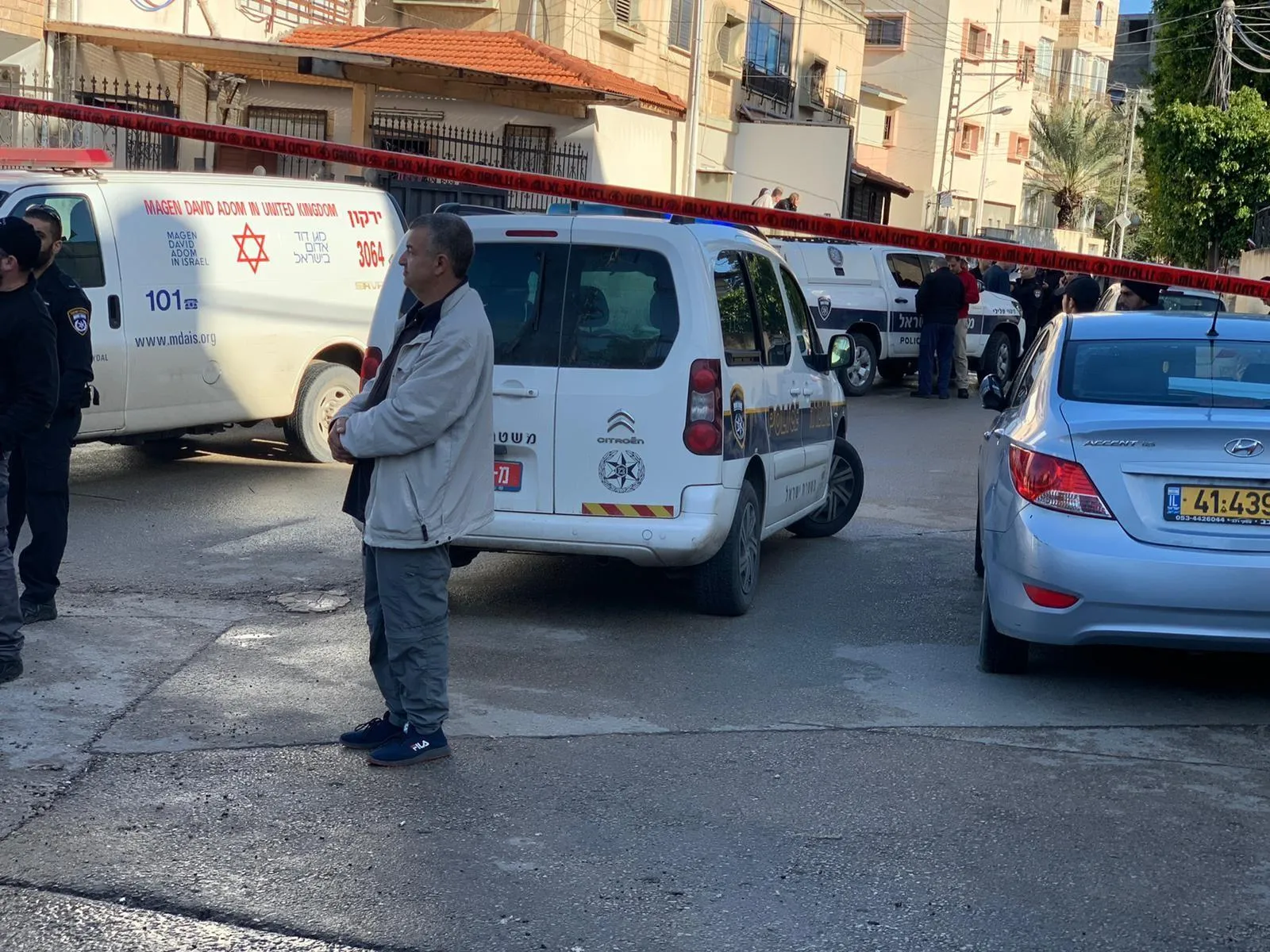
The testimony of Shadi Sumrin reveals part of these fears; he said that a police officer stationed at the gate told him, when he asked about the possibility of an ambulance entering, that he must contact the police to summon a guard to open it, with no regard for the risks that could result from a delayed response to a fire or a medical emergency.
Saadallah al-Zain says that “the seventh of October 2026 was a difficult day for his family, after they were surprised by the entry of crews belonging to the so-called Israeli Nature and Parks Authority onto their land in Wadi al-Rababa in the town of Silwan, and the start of uprooting the trees planted there.”
Al-Zain adds that the land belongs to his family, and is not empty or ownerless land, but represents part of the family’s history and its connection to the place, explaining that the uprooting of the trees was not merely the removal of planted trees, but an assault on the family’s land and its right to remain on it and benefit from it.
Al-Zain explains that what happened comes within a context of continuous measures targeting Palestinians’ lands in Wadi al-Rababa, placing their owners before further tightening and the threat of losing their property, affirming that the family holds fast to its land and its right to it.
Cause for concern
The changes were not limited to exceptional cases, as residents were forced to modify their daily movement patterns, and began getting off buses and carrying their belongings on foot, while vehicle owners search for alternative places to park, for fear of being pursued or fined.
After the barrier was erected, residents turned to the Central Court in occupied Jerusalem, through their lawyer Qusai Jaber, demanding its removal, but the judicial path, already decided in advance for the occupation, ended in a settlement that did not end the restrictions imposed on the use of the site.
Based on a request from the occupation court judge, the Palestinians were forced to keep the gate open, but the agreement limited the use of the place to dropping off passengers and luggage, without allowing vehicles to be left there.
What was most alarming for the residents was their being obligated to deposit a financial guarantee of 50,000 shekels, with a fine of 1,000 shekels imposed for every vehicle parked in the lot, deducted from the value of the guarantee.
Thus, residents’ use of the space adjacent to their homes became fraught with financial risks, to the point that they fear staying in it for more than a few minutes, for fear of being reported and fined.
For its part, the Jerusalem Governorate warned of the repercussions of the expansion at the site adjacent to the Sambuski cemetery, considering that the measures underway in Wadi al-Rababa go beyond the issue of closing the road and fall within efforts to control the land and change the reality of the area.
A fictitious cemetery
The governorate said in a press statement on October 20, 2026, that the “Heverat Kadisha” association is working to expand what it described as the “fictitious Sambuski cemetery,” noting that the area of the site has risen from about 350 square meters to between 7 and 8 dunams.
It added that the occupation began in 2024 transferring soil from the Ma’man Allah cemetery and planting what it described as fake tombstones at the site, as part of efforts to entrench a settlement presence under the cover of the cemetery.
The governorate noted that the measures included imposing violations and financial notices on Palestinian families because they parked their vehicles in the vicinity of the site, despite residents’ use of these lands for decades, pointing out that the value of the claims has reached hundreds of thousands of shekels.
It warned that closing the road restricts the movement of about 700 Jerusalemites in Wadi al-Rababa, and threatens access to basic and medical services and to ambulance and fire vehicles, especially for patients, the elderly and pregnant women.
The parking lot issue does not appear to be an isolated incident from the series of measures that have affected the area’s residents; it was preceded by legal action against some residents, after the association filed a lawsuit to prevent them from bringing a truck loaded with building materials into the neighborhood, which was intended for building a temporary shelter in one of the homes.
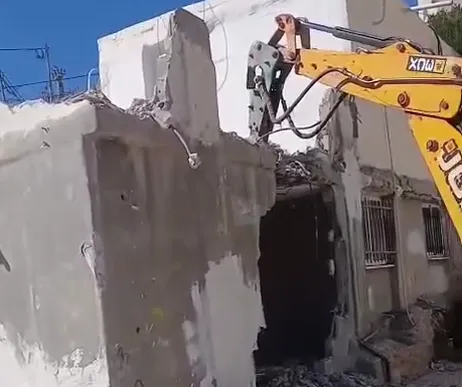
Although the court rejected the lawsuit and obligated the association to allow the truck to enter, after concluding that the construction work was legal, residents were surprised, on the same day, by an administrative order issued by the “Israeli” Nature and Parks Authority to demolish the shelter, which was still under construction.
Tombstones
These measures coincide with other steps around the homes, including the placement of warning signs at the entrance to the road, and the residents being asked judicially to pay tens of thousands of shekels for using the parking lot, in addition to the placement of tombstones around their homes, in locations that the residents say did not previously contain graves.
In recent years, the settlement activity of the "Elad" association has expanded in the area, in tandem with the "Hefrat Kaddisha" association taking over the management of the cemetery and surrounding areas from the Administrator General at the Israeli Ministry of Justice.
Against this backdrop, the demands concerning the cemetery overlap with legal and administrative measures affecting the lands and pathways around Palestinian homes, so that access to one's home and the use of the spaces around it become the subject of ongoing dispute.
The case of the Palestinian families in Silwan presents a concrete picture of what residents around the Old City of occupied Jerusalem face; the pressures are not limited to the seizure of homes or land, but extend to entrances, roads and parking spaces — details that appear minor on the surface, yet affect the ability of families to remain in their homes and go about their daily lives.