
Gaza Genocide Cracks AIPAC’s Dominance and Turns Support for the Occupation Into an Electoral Liability
An unprecedented decline in AIPAC’s influence as public anger over the Gaza war mounts is turning support for the occupation into an electoral liability and opening a new path for opponents of funding.
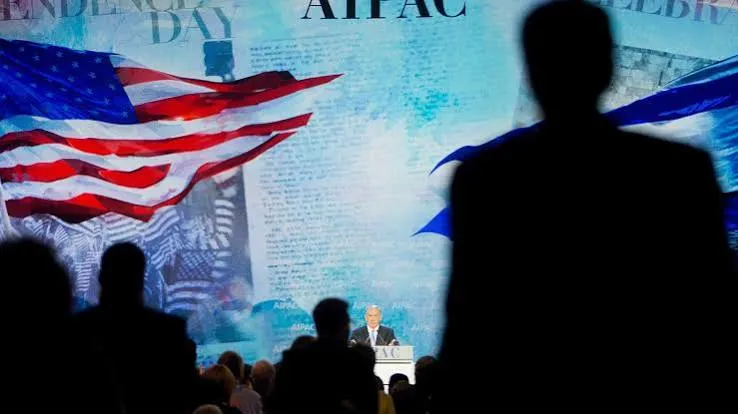
AIPAC (the American Israel Public Affairs Committee) no longer holds the absolute keys to Congress, as the results of the latest midterm elections showed an unprecedented decline in the influence of the most powerful arm of the Zionist lobby in Washington.
These shifts came under the weight of mounting American public anger over the ongoing genocide war in the Gaza Strip and the costs of confrontation with Iran.
In the state of Michigan, the first dam against AIPAC’s financial machine was erected. Democratic candidate Abdulrahman Al-Sayed (“Abdul”) managed to win a Senate seat, becoming the first Muslim senator in the chamber’s history, defeating candidates for whose defeat AIPAC pumped tens of millions of dollars through its financial arm, the United Democracy Project (UDP).
Al-Sayed’s campaign did not merely absorb the blows; it capitalised on the anger over direct American funding for the occupation army, prompting him to address AIPAC in his victory speech, saying: “Thank you for giving me the opportunity to defeat you twice.” Perhaps the most telling evidence of the organisation’s erosion is that allies of his Republican rival, Mike Rogers, asked AIPAC to stop spending on their campaign to avoid backlash.
In the state of Texas, the scene repeated with the victory of Democrat James Talarico for a Senate seat, after he placed cutting funding for offensive weapons to the occupation at the heart of his election programme, affirming from the outset his total refusal to accept any money from Israeli lobbying committees.
A shift in the American street: unprecedented figures
Recent readings and polls reported a profound shift in the mood of the American voter:
Decline in positive views: a Chicago Council on Global Affairs poll showed the overall rating of Israel among Americans falling to 44% (compared with 58% in 2022), the lowest since the survey began in 1978.
Collapse in support among Democrats: the approval rate for Israel among the Democratic Party’s base dropped to just 30%, compared with 52% in 2022, which expert Dina Smeltz described as a “notable collapse”.
Erosion of influence in both parties
The decline was not limited to the left and Democrats, led by voices such as Representative Alexandria Ocasio-Cortez describing AIPAC as “a right-wing organisation that undermines democracy”; the discontent extended to the Republican Party’s base and the American right.
President Donald Trump hinted at the possibility of halting the annual direct aid programme to Israel, while Vice President JD Vance indicated that his party’s recovery requires reassessing the nature of the relationship with Tel Aviv. Voices from the traditional and libertarian right (such as Tucker Carlson and Representative Thomas Massie) also rose in open and direct criticism of the occupation’s policies.
وDespite the decline in AIPAC’s standing and the rising presence of other groups such as J Street and action committees supporting the Palestinian right (such as Americans for Justice in Palestine Action), the organisation’s massive financial resources and accumulated experience keep it a present political rival. Nevertheless, the latest results prove that the voice opposing genocide and absolute support for the occupation is reshaping the map of American politics from within.