Fazaa: 800 Foreign Solidarity Activists Face Settler Terror in West Bank Despite Arrests and Deportations
Around 800 foreign solidarity activists took part in the “Fazaa” campaign in support of West Bank farmers, even as the occupation arrested 11 activists and deported 12 others.
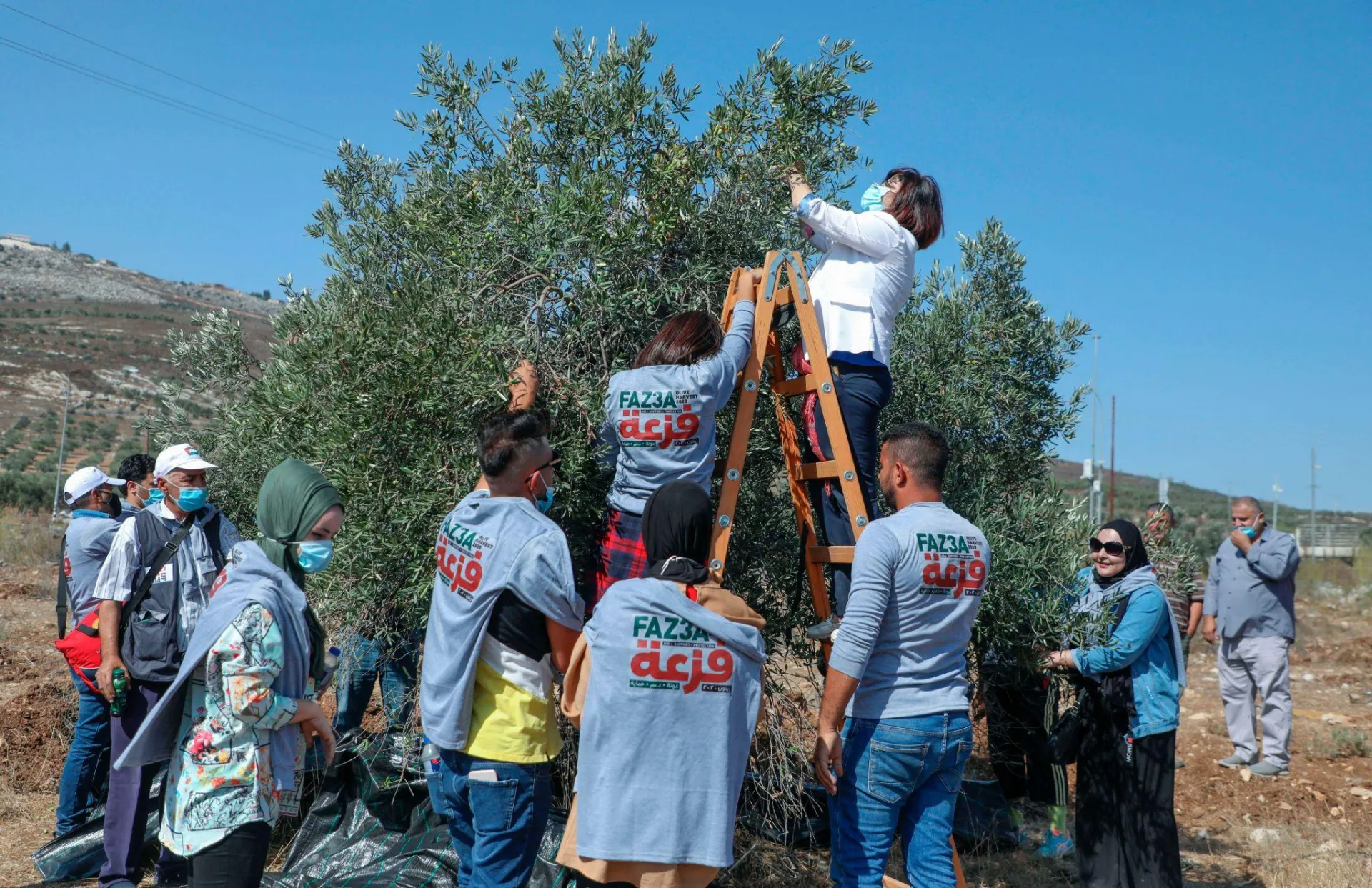
Around 800 foreign solidarity activists, including diplomats and journalists, took part in the Palestinian “Fazaa” campaign to support farmers and communities in the occupied West Bank in the face of settler attacks, despite a number of participants being arrested and deported by occupation forces.
Campaign coordinator Mohammed Matar said occupation authorities arrested 11 foreign activists and deported 12 others during their participation in the campaign’s activities, which launched about a month and a half ago with the aim of supporting Palestinian farmers and communities threatened by settlement and attacks.
Matar explained that occupation forces arrested 11 activists in the Umm al-Buwayer area of the Masafer Yatta community, south of Hebron, holding Italian, German, American and Hungarian nationalities, while 12 activists were deported from the village of Kafr Ni’ma, west of Ramallah, holding American, Canadian, German and Italian nationalities.
He noted that the occupation’s measures also targeted Italian journalists, alongside the arrest of a number of Palestinian farmers and members of the local community, without specifying their numbers.
The “Fazaa” campaign launched on September 28 after preparations that lasted about four months, with its activities set to continue until the end of this month of November, aiming to reach the largest possible area of agricultural land and support its owners in the face of settler attacks, particularly during the olive harvest season.
According to Matar, the campaign has completed about 70% of its strategic objectives, despite restrictions imposed by occupation forces on the movement of activists and the difficulty of their travel between targeted areas, as well as some farmers’ fears of reaching their land for fear of being attacked.
The campaign’s activities are not limited to helping farmers during the olive season, but also include providing support and civilian protection for threatened Palestinian communities, and participating in rebuilding what has been destroyed by weather conditions and Israeli military operations in the Jordan Valley areas.
Matar pointed out that the presence of foreign activists in the field sometimes helps curb settler attacks, but does not provide permanent protection for Palestinians, citing the arrest and deportation of activists holding American and European nationalities.
He stressed that upon returning to their countries, the activists convey to their communities what they witnessed of attacks and practices on the ground, constituting a form of “people’s diplomacy” that helps convey the reality of conditions in the Palestinian territories to international public opinion.
He considered that the targeting of activists and journalists falls within the occupation’s attempts to tighten restrictions on Palestinian society and limit the documentation of violations and their transmission to the world, noting that their presence at the sites of events allows the transmission of a field image that contradicts the narrative the occupation tries to promote regarding its assistance to Palestinian farmers during the olive season.
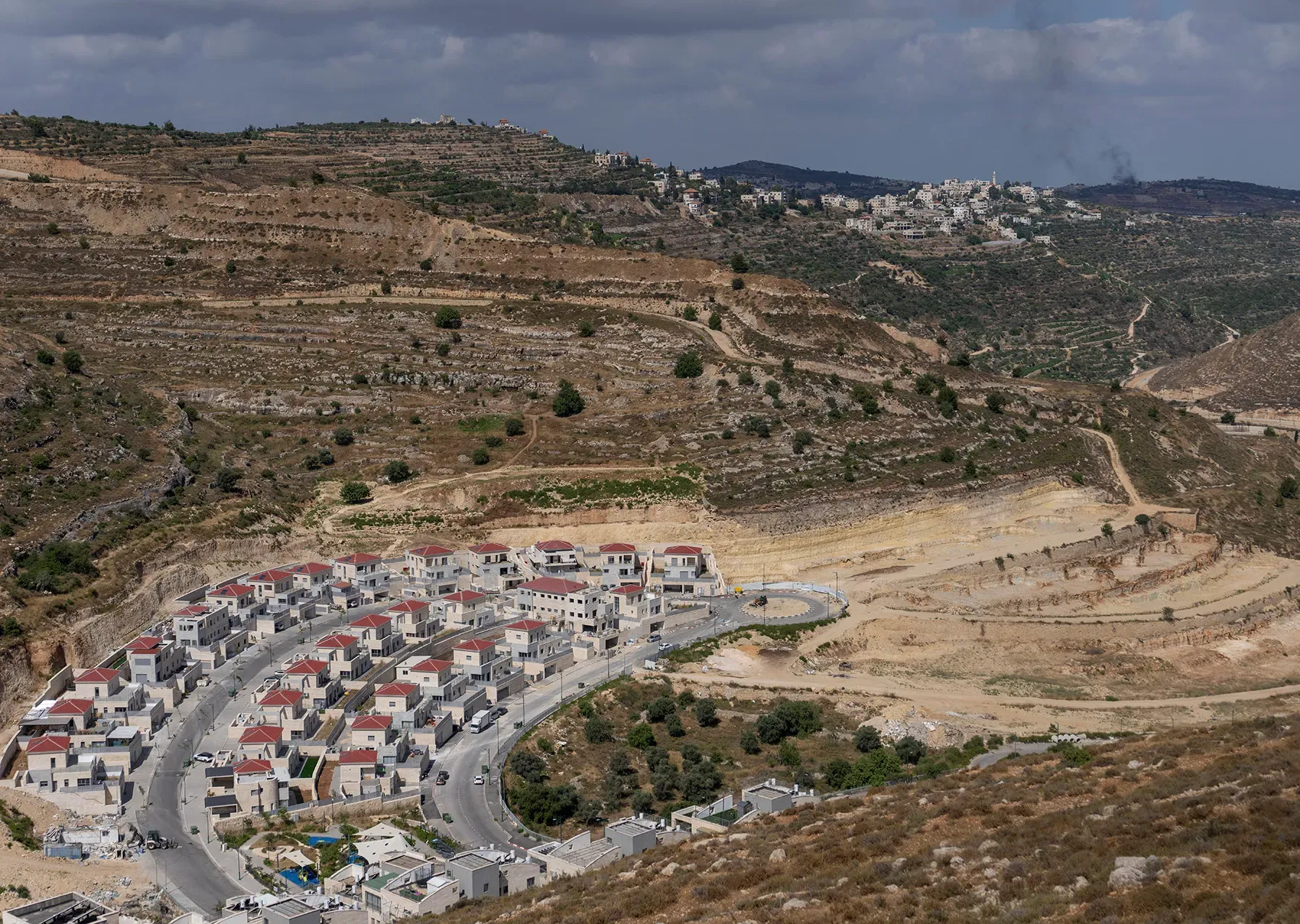
These developments come amid an escalation in attacks by occupation forces and settlers on Palestinians, their property and their agricultural land in the occupied West Bank.
In the latest indication of the scale of the escalation, the Wall and Settlement Resistance Commission reported that occupation forces and settlers carried out 3,133 attacks in the West Bank during last October, an increase of 52.8% compared with September.
The commission said in its monthly report issued on November 2 that occupation forces carried out 1,764 attacks, compared with 1,369 carried out by settlers, whose attacks alone rose by 111.6% compared with the previous month.
According to the report, Ramallah and al-Bireh governorate topped the list of the most targeted areas with 393 attacks, followed by Nablus with 353 attacks, then Hebron with 255 attacks.
Settler attacks also caused damage to and destruction of 5,890 trees, including 4,498 olive trees, in an indication of the widening targeting of agricultural land and the livelihoods of Palestinians in the occupied West Bank.