The Council of Falsehood
The question in Gaza is no longer whether the peace council can stop the humanitarian tragedy
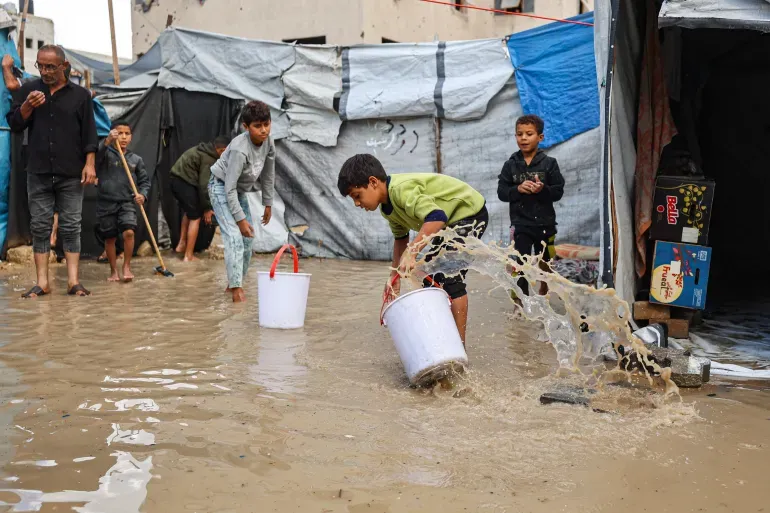
The question in Gaza is no longer whether the peace council is capable of stopping the humanitarian tragedy, but what this council has actually done since it was announced, while the Israeli occupation continues its violations, more than two million Palestinians live under the weight of destruction, displacement and hunger, and hundreds of thousands of them face a fourth winter in torn tents that shield them from neither cold nor rain.
*The peace council, which was presented as a framework for ending the war and ensuring the implementation of the understandings, has come to seem to many Gazans closer to a “council of falsehood”*; a council skilled at issuing statements and recycling promises, but one that offers no convincing answers about the continuation of the tragedy, nor about the fate of the pledges announced before the world.
*What is more dangerous is that the council, in its latest statement, acknowledged the delay in bringing in winter supplies and the failure to fulfill humanitarian commitments, as if Gazans were expected to be satisfied with this admission*, after their tents were flooded, their children displaced, and the rain turned into a new catastrophe atop the rubble of war.
This reality raises serious questions about the council’s role over the past months, the reality of the measures it took to confront repeated humanitarian warnings, the reasons for the failure to implement the Sharm el-Sheikh commitments, and who bears responsibility for the continued suffering of the displaced despite the promises and guarantees announced.
*It is unacceptable for the council to turn into a platform for describing the catastrophe instead of working to prevent it, or for its statements to become political cover for the continued obstruction of agreements*.
Responsibility is not measured by the number of meetings, nor by the volume of declarations, but by stopping the killing, opening the crossings, bringing in aid and shelter supplies, and beginning reconstruction.
The painful paradox is that Gaza, which has paid enormous human and material prices, is still asked to wait, while officials move between capitals and speak of plans, committees and arrangements, without the displaced person whose mattress was submerged in water seeing any real change.
The peace council and the guarantor parties are required to present a clear accounting of what was achieved and what was obstructed, and to define responsibilities and implementation mechanisms, instead of settling for reproducing promises.
*Gaza does not need a council that bears witness to its tragedy, but one that bears responsibility for ending it*. As for a council that sees the tents drowning, hears the cries of children, and then settles for a new statement, it will not be, in the eyes of the victims, a council of peace, but a council of falsehood.