Hebron Under Fire and Siege for Ninth Straight Day as Hundreds of Families Are Displaced and Losses Hit Millions of Shekels Daily
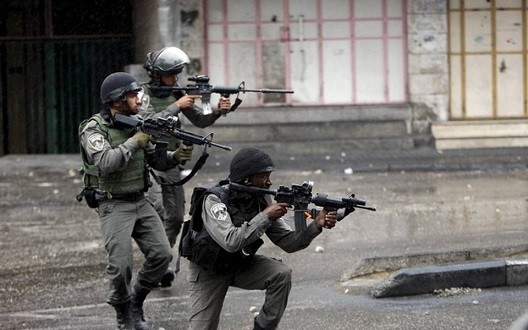
For the ninth consecutive day, Israeli occupation forces are continuing their military offensive on the city of Hebron in the southern occupied West Bank, amid additional military reinforcements and a tightened siege on the Jalda and Ain Dair Baha areas, house raids and the vandalism of their contents.

For the ninth consecutive day, Israeli occupation forces are continuing their military offensive on the city of Hebron in the southern West Bank, amid additional military reinforcements and a tightened siege on the Jalda and Ain Dair Baha areas, house raids and the vandalism of their contents, as the fallout from the operation widens to affect residents, the economy, education and daily life across the governorate.
Military reinforcements
On Saturday, 31 October, the city saw occupation forces push large military reinforcements through several entrances toward the Dair Baha area west of Hebron, which has been under closure and siege since the Friday before last, alongside continued house raids and the preventing of residents from returning to their homes, after families were forced into compulsory displacement.
The reinforcements came a day after occupation forces blew up the homes of the martyrs Ahmed and Hamouda al-Jaaba in the Ain Dair Baha area, after they were killed on 23 October by fire from occupation soldiers stationed at the Farsh al-Hawa checkpoint at the northern entrance to Hebron.
The ongoing offensive has affected more than 780 families, including 537 families fully displaced by force, while around 5,000 residents face conditions of siege and displacement, either by being forced to leave their homes or being prevented from leaving them, particularly in the Jalda and Dair Baha areas, according to local data.
Hebron Mayor Youssef al-Jabari said more than 8,000 Palestinians are in besieged areas and that the number displaced from their homes has exceeded 3,300, stressing that the municipality and the relief committee are working to reach affected families and provide for their needs.
Residents' testimonies reflect the scale of the pressure they are under; Aya al-Qawasmeh, one of those displaced from the Jalda area, spoke of occupation forces besieging the neighbourhood on Friday evening, closing roads and deploying military vehicles in the streets, before ordering residents through loudspeakers to leave their homes.
Al-Qawasmeh said families, including women and children, left their homes under the weight of the military deployment and threats to evacuate the neighbourhood entirely, noting that she does not know when she will return home and that residents have received no official notice setting a date for them to be allowed back.
A million shekels a day
On arrests, occupation forces have detained more than 115 residents of Hebron since the offensive began, including a girl, while hundreds of residents have been held and subjected to abuse. Filmed footage also showed 12 Palestinians being detained in the Ain Dair Baha area and forced to raise their hands behind their heads before being searched amid the military deployment in the area.
The repercussions of the siege have not been limited to displacement and arrests, but have extended to the economic, educational and service sectors; the Hebron Chamber of Commerce estimated direct losses from the closures at between 10 and 12 million shekels a day, including about one million shekels in the dairy sector alone.
The mayor said the continued closure is deepening the damage to the Palestinian economy, noting that about 40% of Palestinian economy and industry is concentrated in Hebron, in addition to damage to infrastructure, water and electricity networks, sidewalks and streets.
In the education sector, the offensive over the past week disrupted schooling for about 262,000 students at 589 schools across Hebron governorate, while thousands of students in besieged and displaced areas are still unable to reach their schools.
In an attempt to respond to humanitarian needs, the Support and Relief Committee tasked by the Hebron governor announced it had approved data for 537 affected families comprising 3,361 individuals, including 232 infants and 1,193 children aged between two and 17, as well as 326 elderly people, 147 pregnant and breastfeeding women, 32 people with disabilities and 213 people with chronic diseases.
The committee said it had received 531 calls requesting assistance on its toll-free number and had addressed needs in coordination with the relevant institutions, forming specialised committees for relief, housing, education, legal, media and financial affairs.
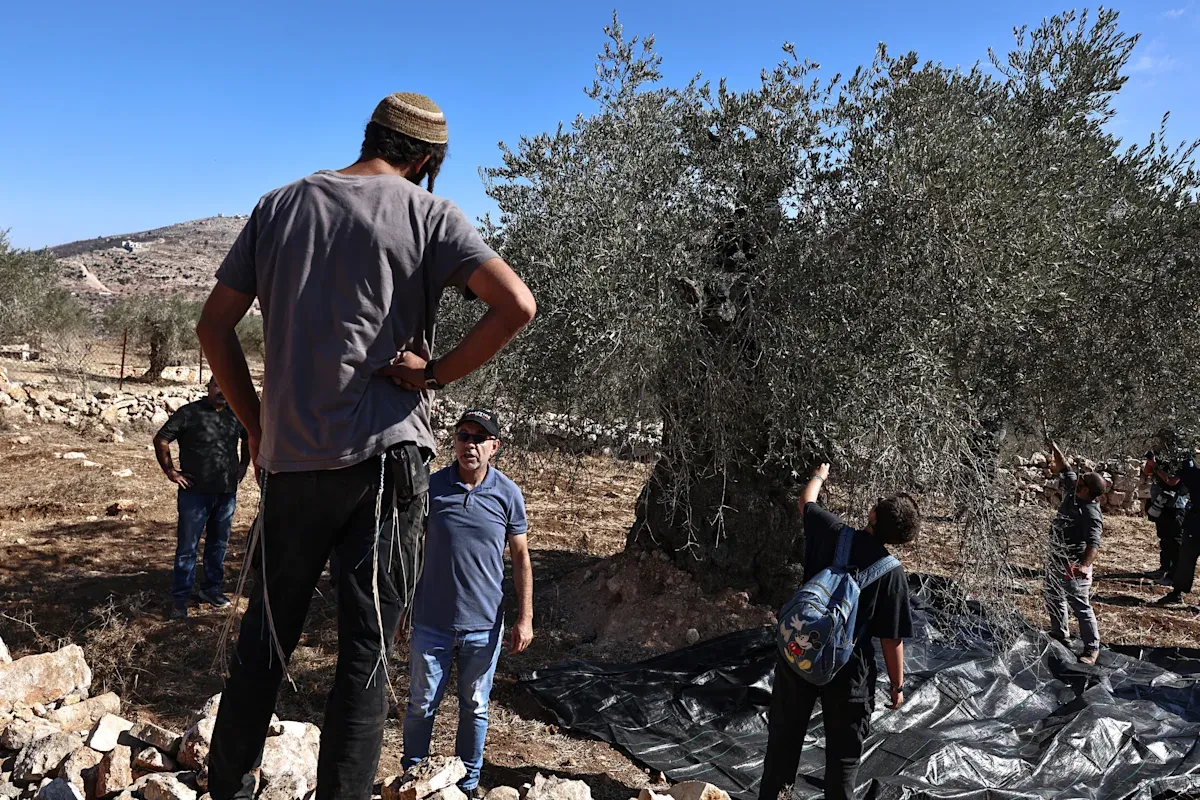
Alongside the military siege, attacks have extended to agricultural land south of the governorate, where settlers, under the protection of occupation forces, attacked farmers while they were picking olives in Khirbet al-Kharaba east of the town of Al-Samou, forcing them at gunpoint to leave their land and stealing the olive crop.
The continuation of the military operation has been accompanied by fears that temporary evacuation will turn into long-term displacement, particularly after the blowing up of the homes of the two martyrs al-Jaaba and the damage caused to neighbouring houses.
Blowing up homes
In this context, Hebron municipal council member and former head of the lawyers' syndicate Suhail Ashour said occupation forces violated laws, norms and international agreements, including the Fourth Geneva Convention, during their military operation and the blowing up of Palestinian homes.
Ashour explained that the occupation authorities did not even abide by the procedures imposed by Israeli military law, which grants homeowners 72 hours to object to demolition orders and file petitions, noting that the homeowners were notified of the demolition decision at 10 a.m. the previous day before their homes were blown up without waiting for the deadline to expire.
UN High Commissioner for Human Rights Volker Türk had warned of serious concerns about the possibility of ethnic cleansing, amid occupation threats to evacuate and erase entire neighbourhoods, stressing that collective punishment constitutes a grave violation of international law.
As the offensive enters its ninth day, occupation forces are still imposing a tight closure on the Jalda and Ain Dair Baha areas and preventing residents from returning to their homes, while military reinforcements and raids continue, with no clear date announced for the end of the operation or the lifting of the siege on the affected areas.