Engineering an Environmental Genocide: How Israel Manufactured Gaza’s Waste Crisis and Then Sprayed It With Deadly Poison
Special translation – Nour Al-Dalu: The Gaza Strip is facing a new and terrifying chapter in the systematic destruction of human life, one that goes beyond conventional bombardment to the use of “environmental and chemical weapons.” As a result of ongoing military operations, the occupation authorities have created a suffocating environmental crisis that led to the accumulation of millions of tons of waste, triggering an acute infestation of rodents and rats that has spread a
Special translation – Nour Al-Dalu
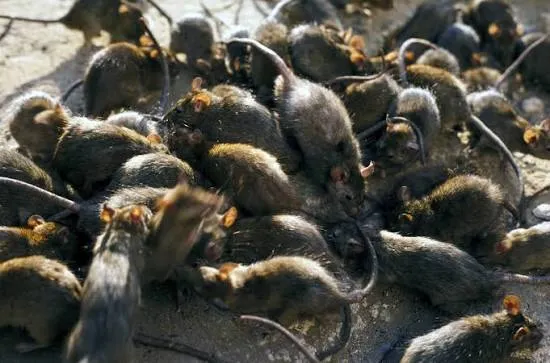
The Gaza Strip is facing a new and terrifying chapter in the systematic destruction of human life, one that goes beyond conventional bombardment to the use of “environmental and chemical weapons.” As a result of ongoing military operations, the occupation authorities have created a suffocating environmental crisis that led to the accumulation of millions of tons of waste, triggering an acute infestation of rodents and rats that has spread across the borders.
Instead of allowing a humanitarian or municipal response to this catastrophe, Israel chose to introduce an extremely dangerous chemical pesticide called Rosh-80 and began dispersing it densely by drone, posing a direct and lethal chemical threat to what remains of civilian and agricultural life in the besieged enclave.
Field reports confirm that the occupation army scattered vast quantities of wheat grains soaked in this deadly pesticide and dyed blue from its drones around its military positions and along agricultural lands and populated areas inside Gaza.
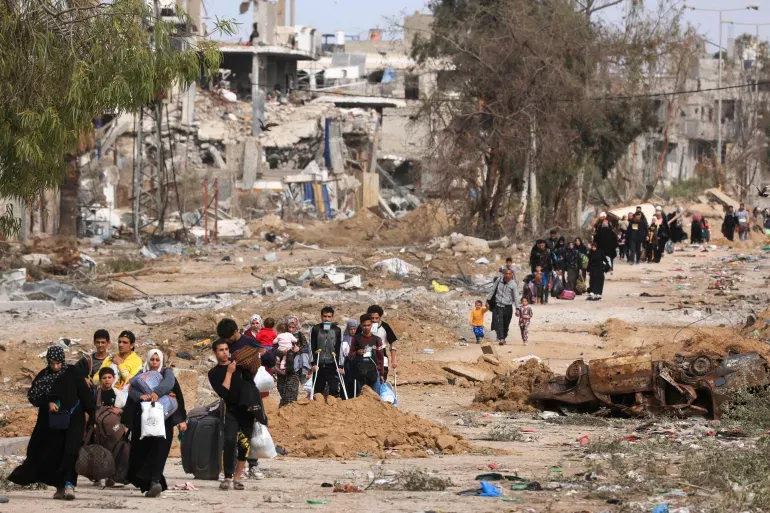
The move exposes a malicious Israeli engineering of the disaster: the occupation first deliberately destroyed the infrastructure and environmental systems that prevent the emergence of such pests, then returned to spray harsh, internationally banned poisons in a civilian environment crowded with displaced people and directly ruined by its own operations, turning the environmental crisis into a silent weapon of killing that pursues the besieged population in the finest details of their lives.
Deliberate Israeli Policy: Creating the Catastrophe, Then Spraying It With Poison
The causal relationship between the military siege and systematic humanitarian disasters is starkly clear inside the Gaza Strip; since June 2026, the occupation has imposed an absolute military ban preventing municipalities and relief teams from reaching the enclave’s only two sanitary waste dumps.
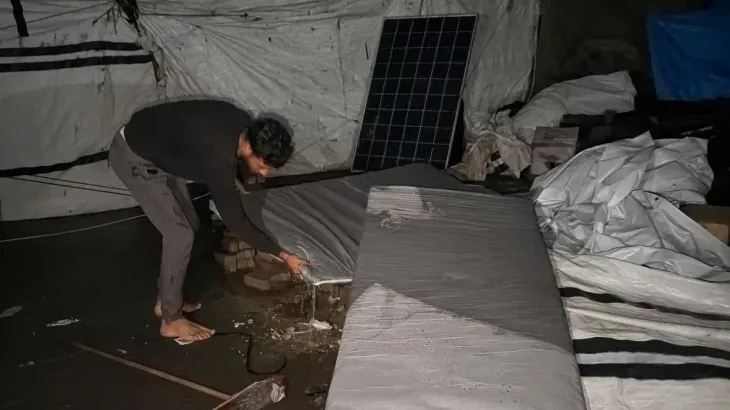
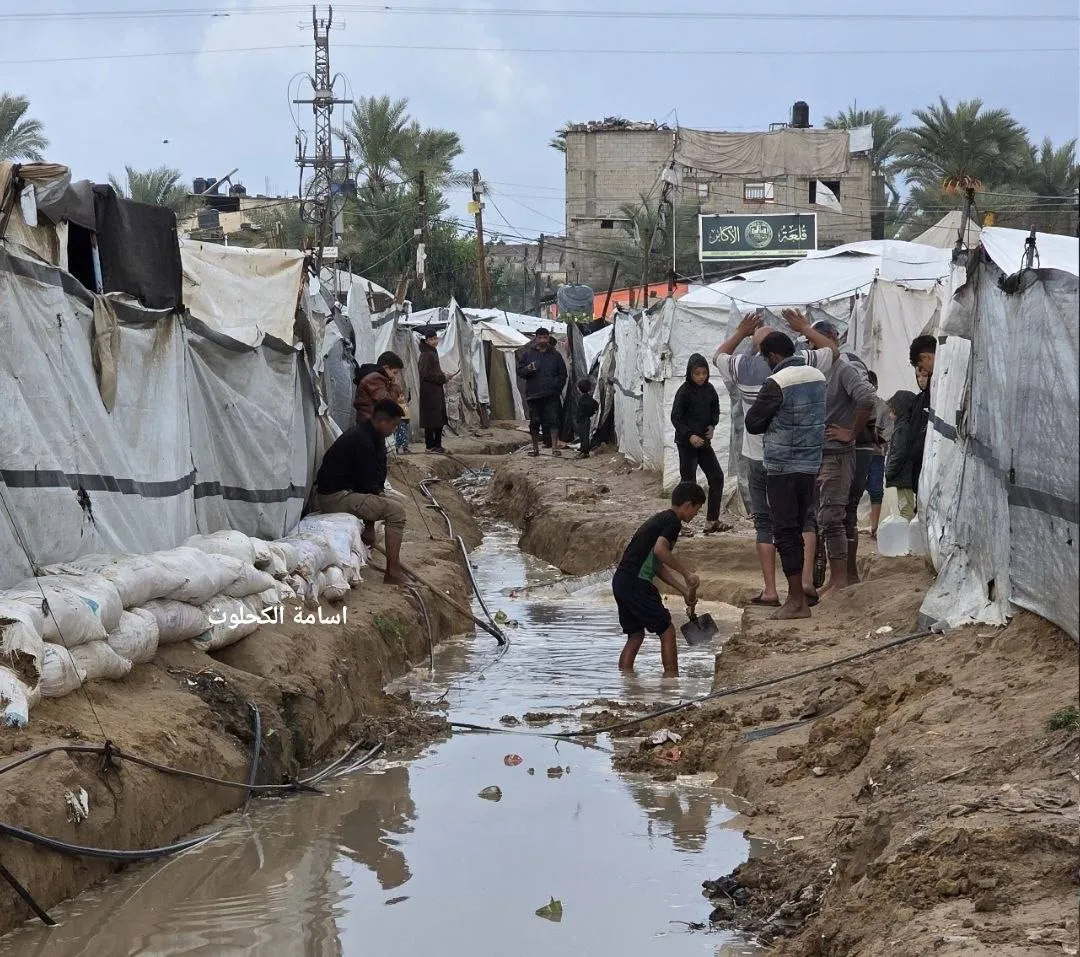
This deliberate ban directly caused towering piles of garbage to accumulate among the tents of displaced people, shelters and the remaining residential neighborhoods, providing the ideal incubator for rodents and pests to multiply on an unprecedented scale.
The existential danger today is that the dispersal of Rosh-80 in the Gaza Strip will not stop at the boundaries of army camps or the contact lines; this poison has a very high scientific solubility in water, meaning that any rainfall or atmospheric humidity is enough to wash the poison’s particles and carry them directly into the fragile shallow groundwater reservoir, the only source on which Gazans depend for drinking, cooking and daily use, heralding a silent mass poisoning of water networks.
Moreover, the danger of this chemical weapon goes beyond direct contact through the specter of “secondary poisoning and extended contamination”; amid severe famine and the choking food blockade imposed on Gaza, displaced families resort to raising what remains of their livestock, birds and poultry to stay alive.
These animals, birds of prey and livestock feed, in their search for food, on the contaminated wheat grains scattered from the air, or eat the rodents that died from this poison, which necessarily means the active substance of the poison is transferred at full concentration into the citizens’ food chain, reaching the tables of the besieged Gazans through contaminated meat and milk, turning meager food into a trap of death.
The Silent Killer in Gazans’ Bodies: Likely Death With No Antidote
The extreme danger of the Rosh-80 pesticide lies in its active ingredient, sodium fluoroacetate, a lethal chemical that attacks living cells directly. The pesticide’s packaging carries a stark Hebrew warning spelling out its genocidal nature: “The product is fatal immediately if swallowed, inhaled, or brought into contact with the skin.”
Once this chemical compound enters the body, it “starves the cells” by paralyzing their ability to produce energy and destroying their essential vital processes. This quickly causes a rapid collapse of the central nervous system, accompanied by violent convulsions and sudden, acute heart failure.
The greatest medical crime Israel commits by spreading this substance in Gaza is that there is no known antidote, serum or medical countermeasure for this poison in medical history to date. Amid the occupation’s systematic destruction of Gaza’s health system, hospitals being put out of service, doctors being targeted and a ban on the entry of medicines and laboratories, any citizen or child exposed to even a tiny dose of this pesticide faces inevitable death with no chance of being saved.
Children and Fetuses: A Future-Targeted Strike on the Next Generation
Children and pregnant women in Gaza are the weakest link and the primary victims of this substance; toxicology experts confirm that the lethal effect of the Rosh-80 compound multiplies inversely with body weight, so the lower a person’s weight — as is the case with Gaza’s children, who already suffer from malnutrition and emaciation — the faster and more lethally the poison destroys their internal organs upon mere inhalation or contact.
Global medical records document tragic cases of infants who died after exposure to microscopic amounts of this silent poison.
As for fetuses and pregnant women, the risks become a crime of liquidating the future; laboratory studies and teratology science confirm that exposure to the sodium fluoroacetate compound during pregnancy directly causes severe congenital malformations and the death of fetuses in the womb.
This catastrophic truth was laid bare in early 2024, when the random and excessive use of this pesticide by the Israeli authorities caused the death and poisoning of a herd of pregnant gazelles, whose fetuses died instantly inside their bellies — the same terrifying fate that threatens mothers and fetuses in the Gaza Strip today.
Silent Chemical Minefields and Calls for Accountability
Israel’s insistence on using the Gaza Strip and its surroundings as a field for spraying the toxic pesticide “Roach-80” from drones goes beyond the pretext of fighting rats, becoming a silent, fully-fledged tool of genocide. The occupation is deliberately turning the remaining agricultural land and the tents of displaced people into “chemical and environmental minefields” whose toxic effects will persist for years in the soil and groundwater even after the war stops.
This dangerous deterioration, based on the use of lethal poisons that kill without an antidote in densely populated civilian areas, urgently requires action by international organizations and rights bodies to stop this “silent chemical war.”
Opening an independent international investigation, sending UN fact-finding missions to examine the soil and water in Gaza, and tracing the sources of food contamination have become an absolute necessity to hold the occupation authorities accountable for turning the environmental crises they themselves created into additional tools for killing and poisoning the Palestinian people and destroying their future.