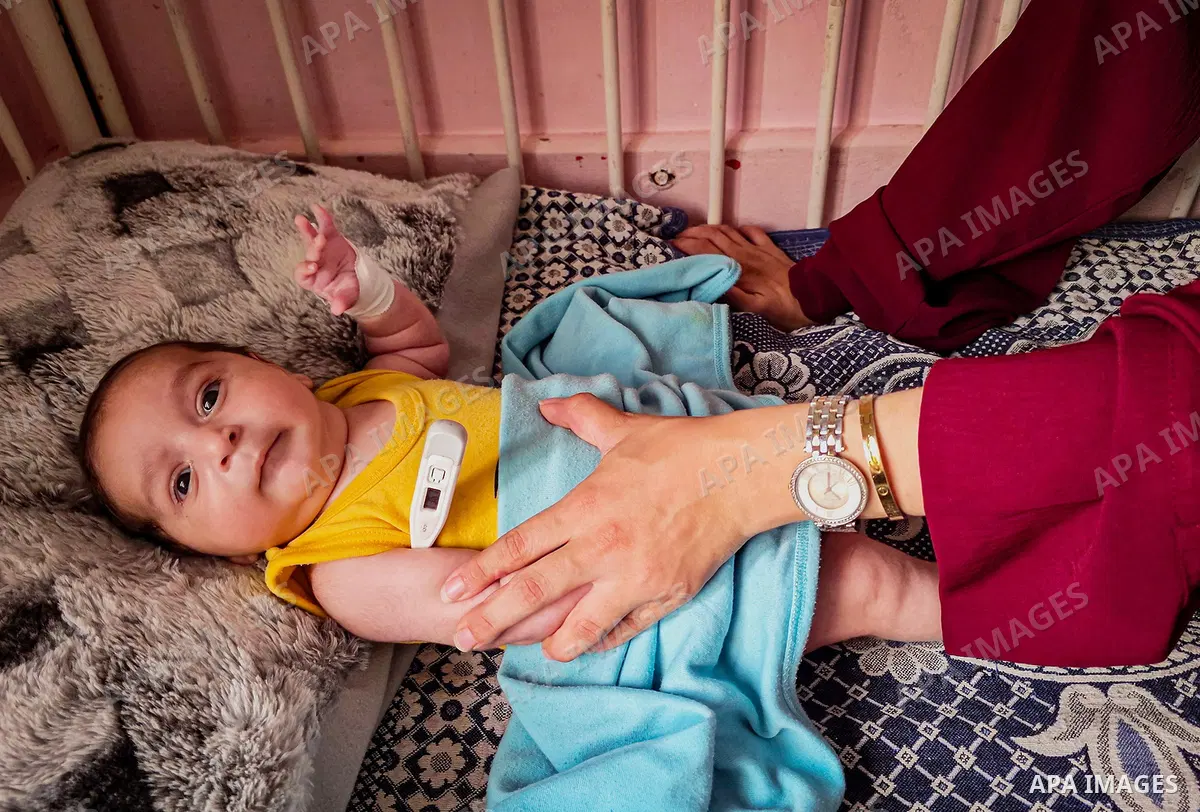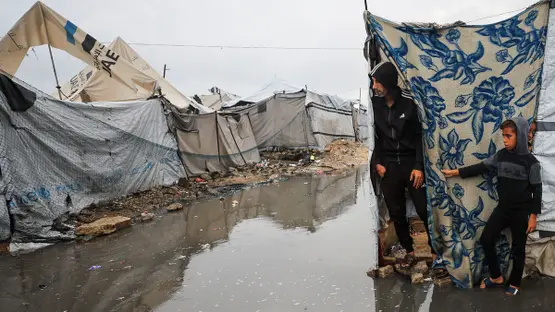
Medical Aid Says Medicine and Fuel Shortages Delay Surgeries and Threaten Closure of Gaza Health Facilities
The director of Medical Aid in Gaza, Dr. Mohammed Abu Aish, has warned of the impact of the acute shortage of medicines, medical supplies and fuel on the continued operation of health institutions, revealing that surgeries have been postponed and cancelled and mobile clinic services reduced, amid fears that health facilities could halt as winter approaches.
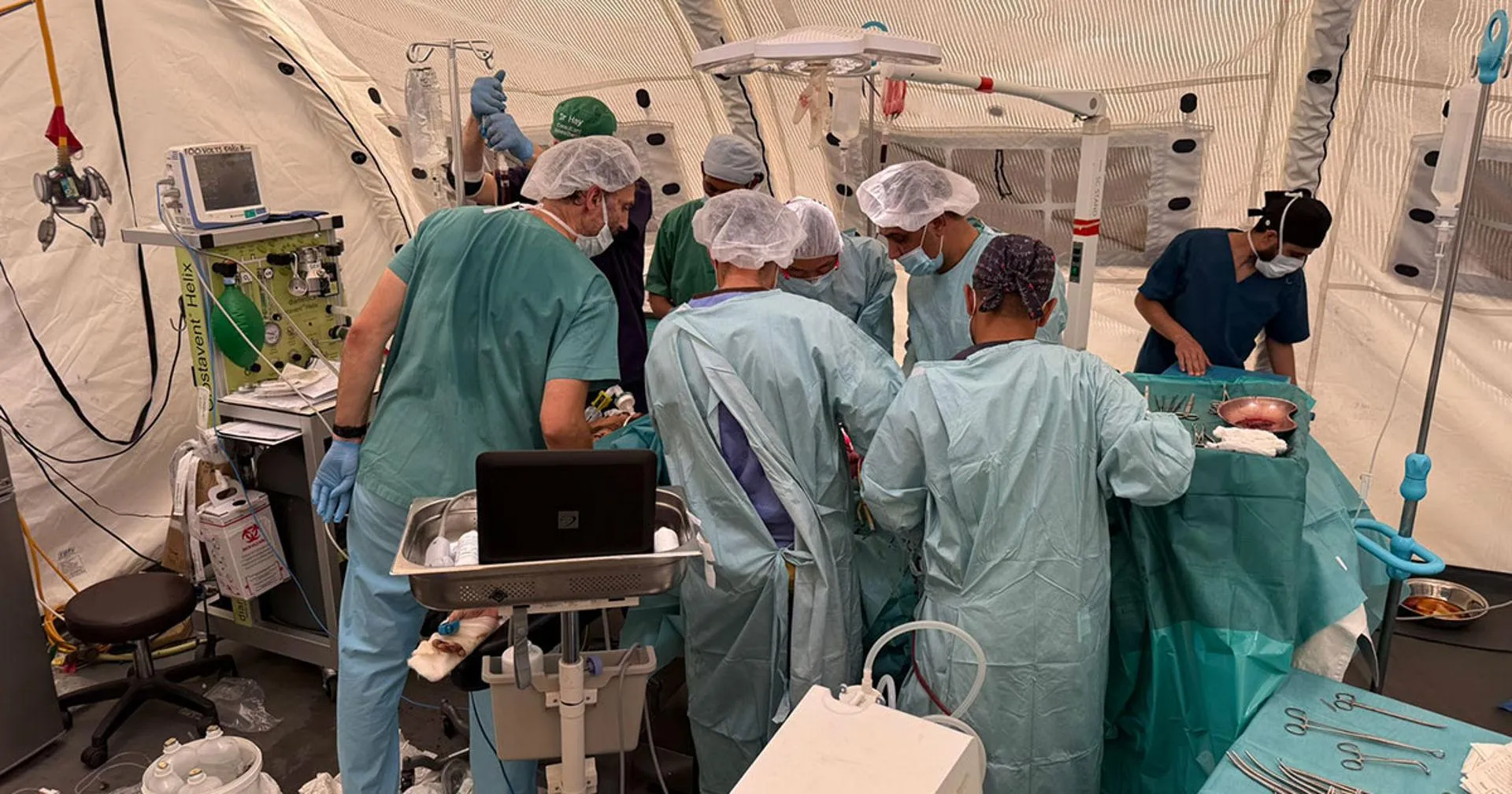
The director of Medical Aid in the Gaza Strip, Dr. Mohammed Abu Aish, has warned of a worsening health crisis caused by the acute shortage of medicines, medical supplies and fuel, stressing that many health services have already stopped while medical institutions face growing difficulties in continuing their work.
Abu Aish said delays in bringing in shipments of medical supplies and obstacles to their entry have led to the cancellation and postponement of scheduled surgeries, amid shortages of antibiotics, medical solutions, cancer drugs and medicines for chronic diseases, stressing that the limited aid trucks do not meet the scale of growing needs.
He explained that the health system needs to expand medical care services, increase the number of specialised staff and strengthen laboratory and diagnostic services, at a time when the resources available to health institutions are declining.
With winter approaching, Abu Aish noted that medical institutions had been counting on securing the supplies needed to confront seasonal diseases, but the sector is entering the cold season with resources depleted and preventive and curative care services reduced.
He pointed out that the continued ban on the entry of oils designated for electric generators for months, with only limited quantities of diesel allowed in, threatens a near-total halt of community and national health facilities that rely on generators to run laboratories, X-ray, ultrasound and ECG equipment.
In a related context, Abu Aish revealed that Medical Aid has 15 mobile clinics that will be forced to reduce their services and field interventions in the coming period because of a shortage of spare parts and engine oils needed to operate its vehicles, which provide medical services to residents, especially in border and remote areas.
He stressed that attempts to move to the recovery phase and restart the health system are colliding with a shortage of basic resources, compounding the difficulty of responding to the growing needs of patients and the wounded in the Strip.