Gaza Hospitals on the Brink of Paralysis as Financial Crisis and Spare Parts Shortage Halt Medical Staff Transport
A financial crisis and severe shortage of maintenance supplies are pushing medical staff transport companies in Gaza to suspend their services, amid warnings that doctors and nurses may be unable to reach hospitals, paralysing critical departments, operating rooms and intensive care units.
The Ministry of Health in the Gaza Strip warned on Sunday of serious repercussions threatening the continued operation of hospitals and primary healthcare centres, after accredited transport companies announced they would suspend their services entirely from today because of accumulated financial dues and a shortage of supplies needed to operate and maintain their buses.
In a statement, the ministry said the halt in transport services threatens the ability of doctors, nurses and technicians to reach their workplaces, raising the prospect of disruption to critical departments, operating rooms and intensive care units and of the health system sliding into near-total paralysis.
It explained that the transport companies had formally notified it of the decision to stop work as a result of their worsening financial crisis and the non-payment of their dues, at a time when large numbers of buses have gone out of service because of repeated breakdowns and a scarcity of spare parts, oils and tyres needed to keep them running.
The ministry stressed that the fallout from the crisis would not be limited to any single hospital but would extend to hospitals and primary healthcare centres across the board, given that medical facilities depend on these services to ensure staff can reach their posts and care can continue to be provided to patients.
The ministry issued an urgent appeal to partners, relevant authorities and international and relief organisations to intervene immediately, settle the accumulated financial dues owed to the transport companies and provide the logistical and operational needs required for them to keep operating, to avoid disruption to life-saving medical services.
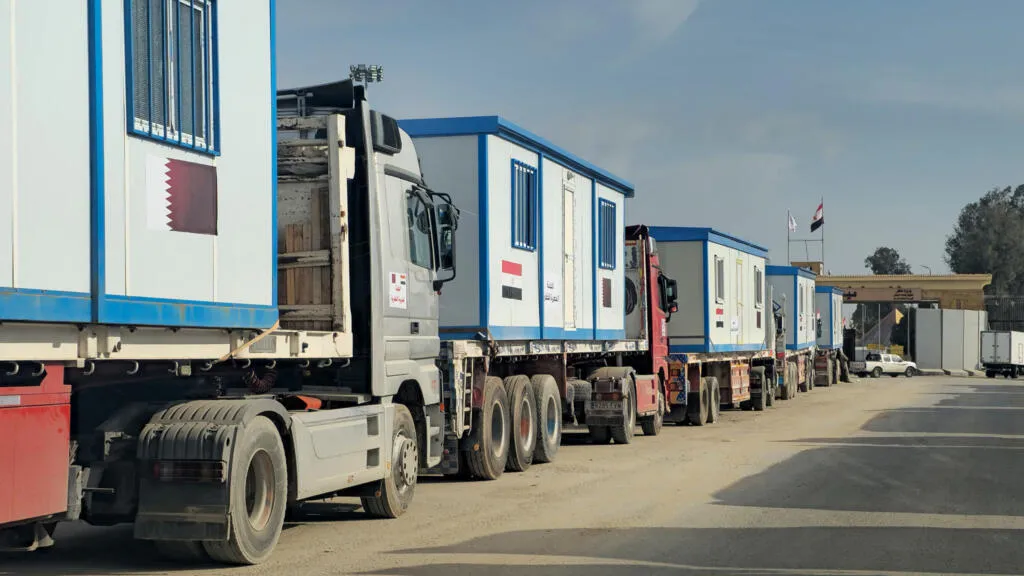
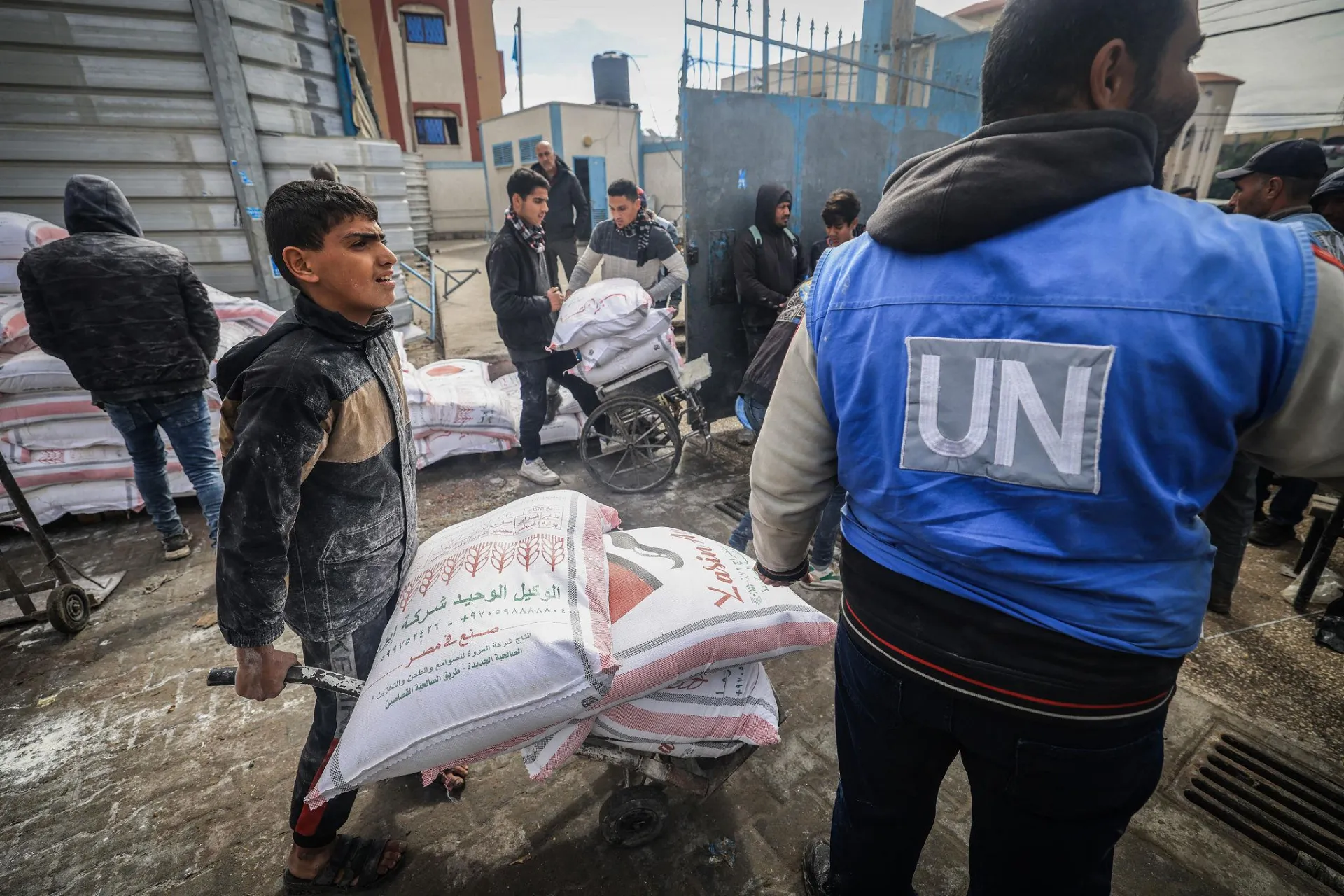
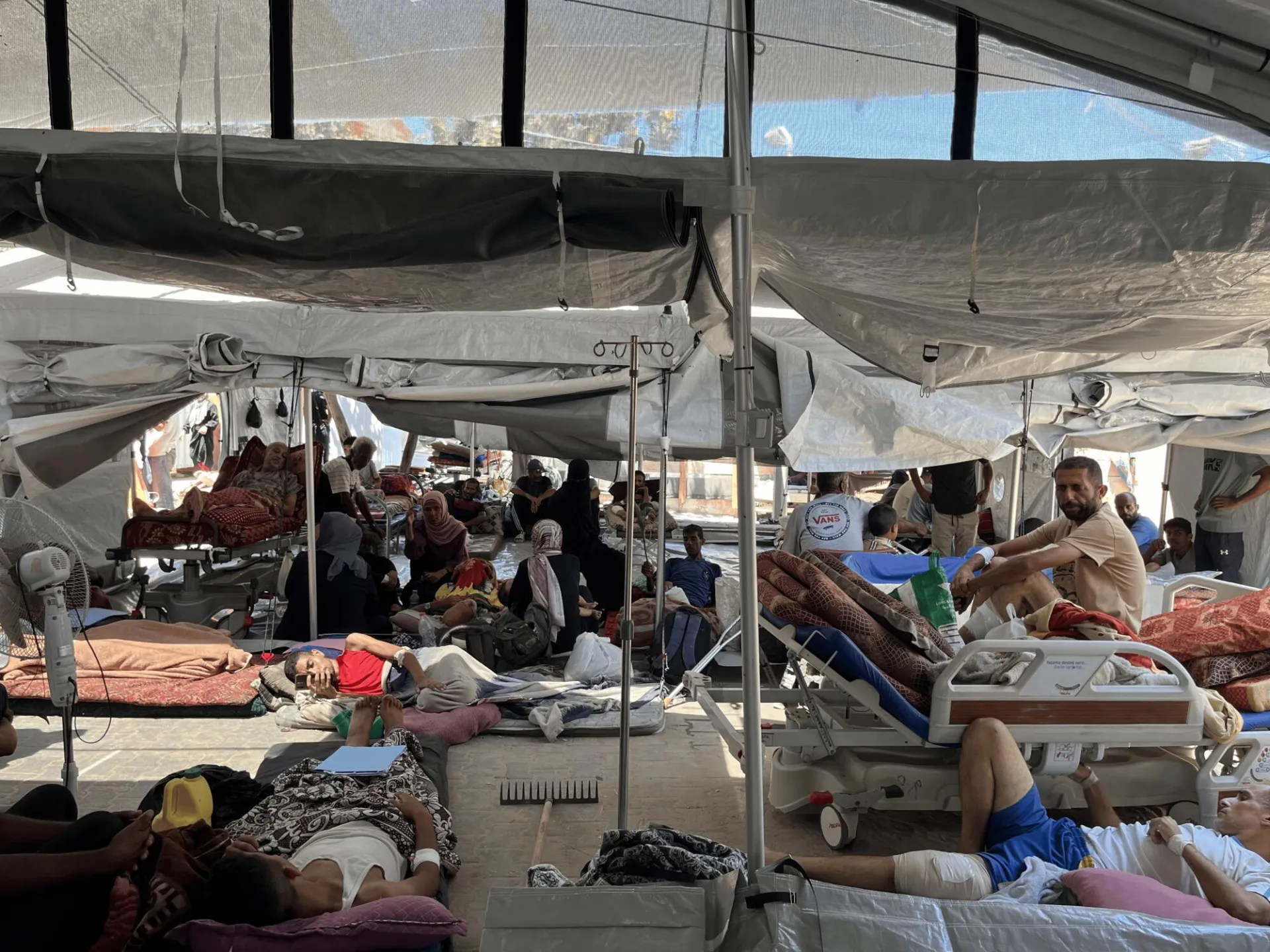
The crisis comes at a time when hospitals in the Gaza Strip are still unable to restore their operating capacity, amid a severe shortage of medicines, medical supplies and equipment, and difficulties facing the entry of essential supplies.
The representative of the World Health Organization in the occupied Palestinian territory, Rik Peeperkorn, said during a UN briefing last October that none of the hospitals in the Strip was operating at full capacity, noting that shortages of medical supplies and restrictions on the entry of essential equipment were hampering the restoration of health services.
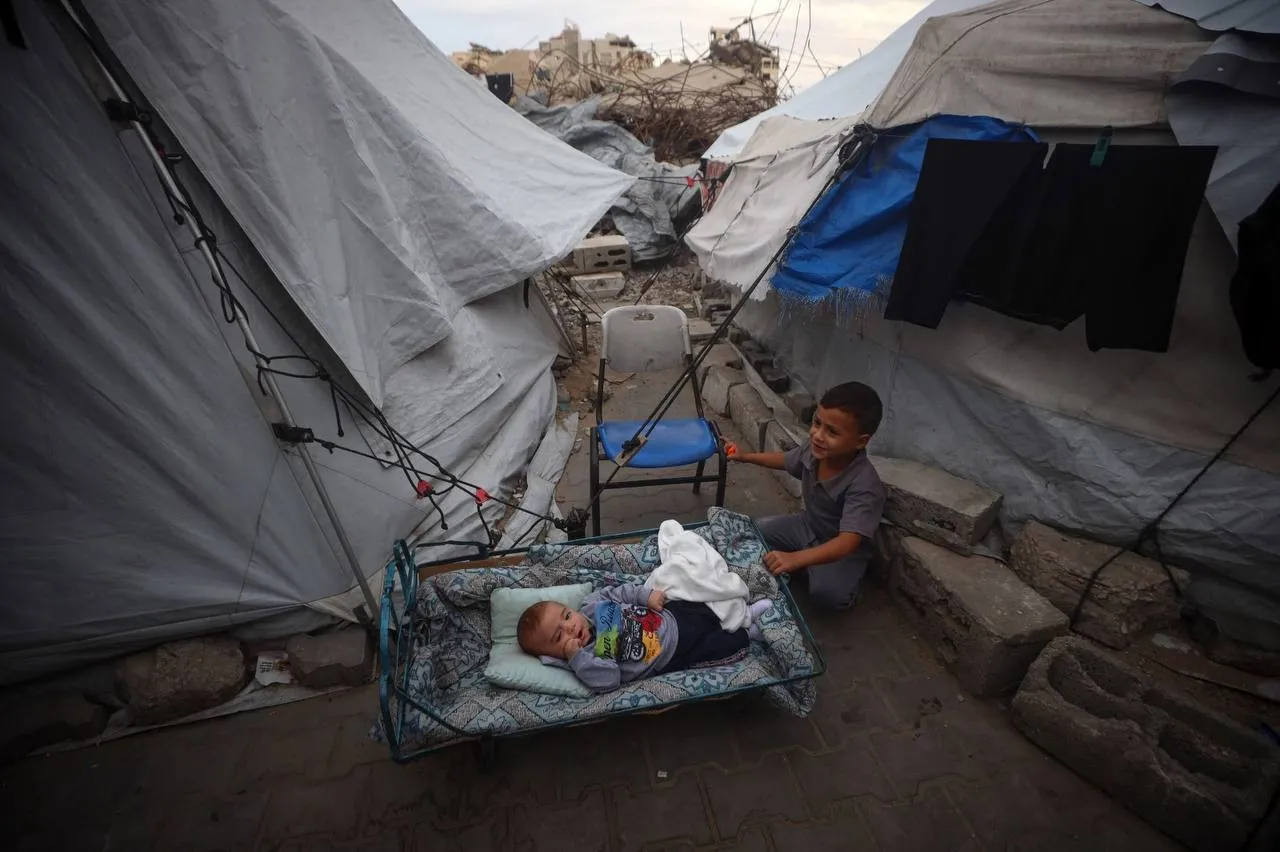
Challenges facing the health sector are worsening with the onset of the rainy season and the deteriorating living conditions of displaced people, as flooding, cold and the decline of water and sanitation services increase health risks and the likelihood of disease spreading, at a time when health facilities have limited capacity to respond to growing needs.
Gaza's hospitals are therefore not only facing a crisis of shortages of medicines and equipment; the ability of medical teams to reach their workplaces is now also under threat, a development that places the continuation of treatment and emergency services at additional risk.