Euro-Med Monitor: Israel Deprives Two Million Palestinians of Shelter, Pushing Gaza Into a Fourth Winter of Hardship
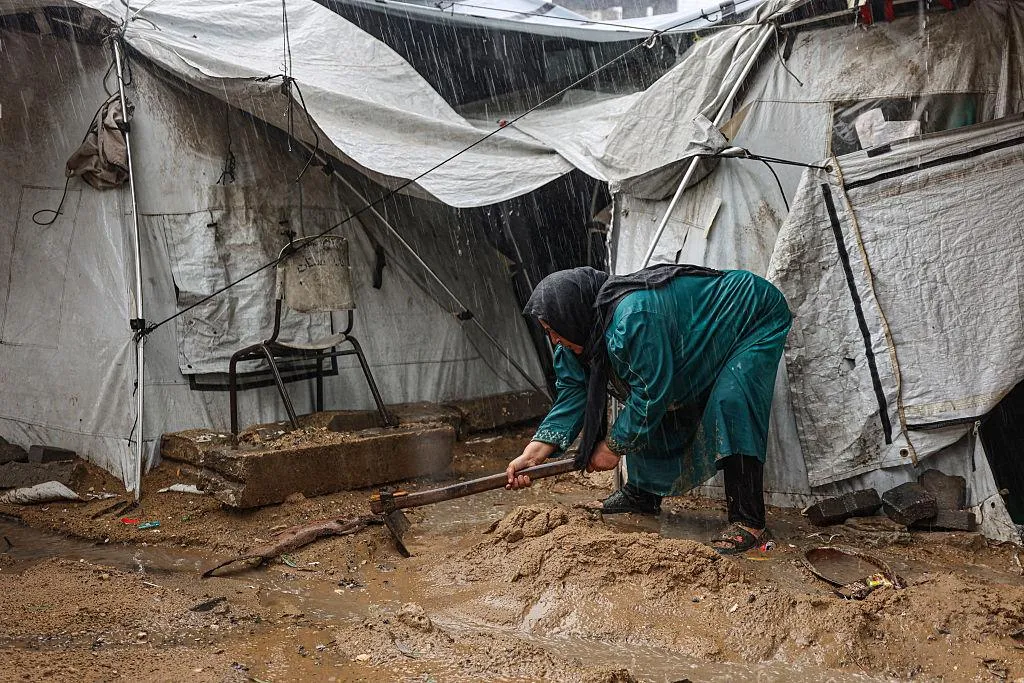
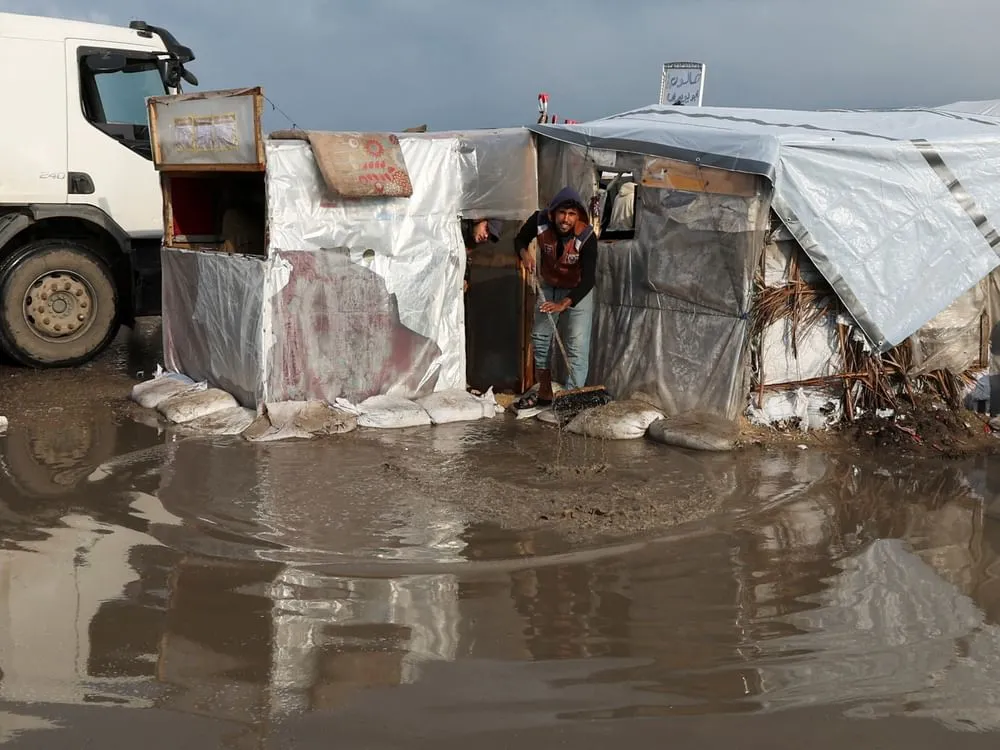
The Euro-Mediterranean Human Rights Monitor has warned that Israel's continued denial of safe shelter to two million Palestinians in the Gaza Strip, as the fourth winter sets in, amid obstruction of shelter supplies and reconstruction materials, is worsening the dangers of flooding and building collapse for displaced people.
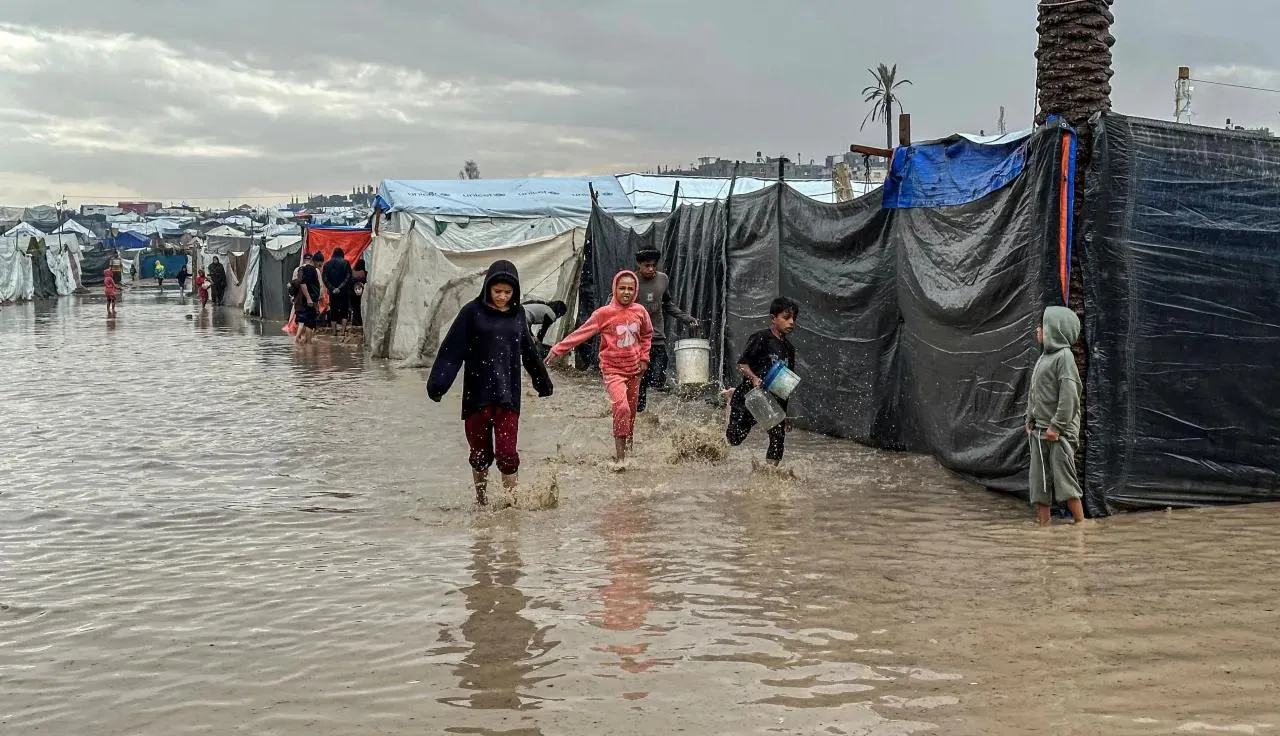
The Euro-Mediterranean Human Rights Monitor has warned that the Gaza Strip is entering its fourth winter while nearly two million Palestinians remain deprived of the essentials of safe shelter, with most homes destroyed or damaged and restrictions on the entry of shelter supplies and housing repair materials still in place.
In a statement issued on Thursday, the Monitor said that hundreds of thousands of displaced families face another winter in worn-out tents and cracked buildings at risk of collapse, while Israeli occupation forces prevent displaced people from returning to areas still under their control and obstruct the entry of materials needed to secure their homes and repair damaged ones.
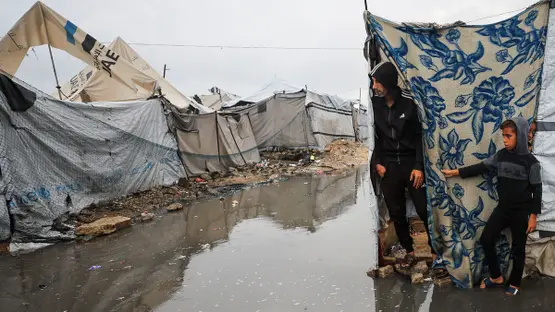
It explained that the Strip urgently needs about 200,000 tents and one million tarpaulins, according to figures announced by the Winter Emergency Committee on November 1, warning of a repeat of the disasters seen in the past three winters, when rainwater and sewage flooded displaced people's tents and shelters, winds tore down fragile shelters, and covers, clothing and bedding were ruined.
It noted that those conditions caused the deaths of children, including infants, from hypothermia, deaths it said could have been avoided by providing adequate shelter, heating and protection from the cold.
In an indication of the scale of the risks, the Monitor warned of direct threats to the residents of about 7,800 tents pitched in valley beds, rainwater collection ponds and wave-exposed coastal areas, as well as to the occupants of about 2,000 cracked buildings at risk of collapse as weather depressions begin.
The Monitor cited the Norwegian Refugee Council's estimate on October 5 that about 950,000 people are in locations with medium or high flood exposure, while a Shelter Cluster assessment based on a survey conducted in June and published in August showed that 71% of the households assessed had their homes flooded since the start of the 2025-2026 winter.
The assessment found that more than half of the tents and temporary shelters examined were in bad or very bad condition, reflecting the scale of the risks facing families whose shelters can no longer protect them from the weather.
According to the Monitor, the crisis is not limited to a shortage of tents and shelter materials but extends to the diminished capacity of municipalities and civil defense to cope with the winter's effects, with about 70% of municipalities' basic operational equipment and 90% of civil defense rescue equipment destroyed, according to the Winter Emergency Committee.
It added that the Strip has no more than five dilapidated water-extraction tankers and 24 small mobile pumps, amid a severe shortage of fuel and spare parts, which obstructs the drainage of rainwater, the repair of water and sewage networks and access to besieged families.
The Monitor stressed that allowing some tents to enter does not mean meeting the population's actual needs, as the entry of the necessary quantities and types of sturdy tents, tarpaulins, insulation, covers, temporary housing and home repair materials remains obstructed.
It considered that the continuation of these restrictions, despite their documented consequences over past years and repeated warnings of their dangers, deepens the living conditions Palestinians face and prevents the restoration of the minimum requirements of life.
The Monitor also condemned the subjection of Palestinians' shelter and recovery to Israeli electoral calculations, in light of reports that steps related to rebuilding Gaza have been postponed until after the elections, stressing that electoral interests and political and military conditions do not justify suspending the protection of civilians or depriving them of their basic needs.
The Monitor called on states to take urgent measures to compel the occupation to open the crossings to shelter supplies and lift restrictions on the entry of tents, tarpaulins, repair materials and temporary housing, and to ensure their arrival in the necessary quantities and at the necessary speed.
It urged the United Nations, humanitarian bodies and donor countries to provide urgent funding for the winter response, support water and sanitation facilities and emergency teams, and secure safe alternatives for families living in flood channels, coastal areas and buildings at risk of collapse.
It also called for the publication of periodic data on requests to enter shelter supplies that the occupation rejects or delays, including the types and quantities of materials, waiting periods and reasons for rejection, and demanded targeted sanctions on officials responsible for obstructing relief, an end to the transfer of weapons and equipment that may be used to commit grave violations, and support for investigation and accountability over the destruction of homes and the denial of the essentials of life.