Shocking Testimonies from Women Prisoners at Damon: Starvation, Medical Neglect and Assaults Behind Bars
Testimonies reveal part of the suffering of Palestinian women prisoners at Damon prison, from medical neglect and denial of treatment to starvation and weight loss, and on to physical assaults and restrictions inside the wards, amid harsh detention conditions that worsen their health and living situation.
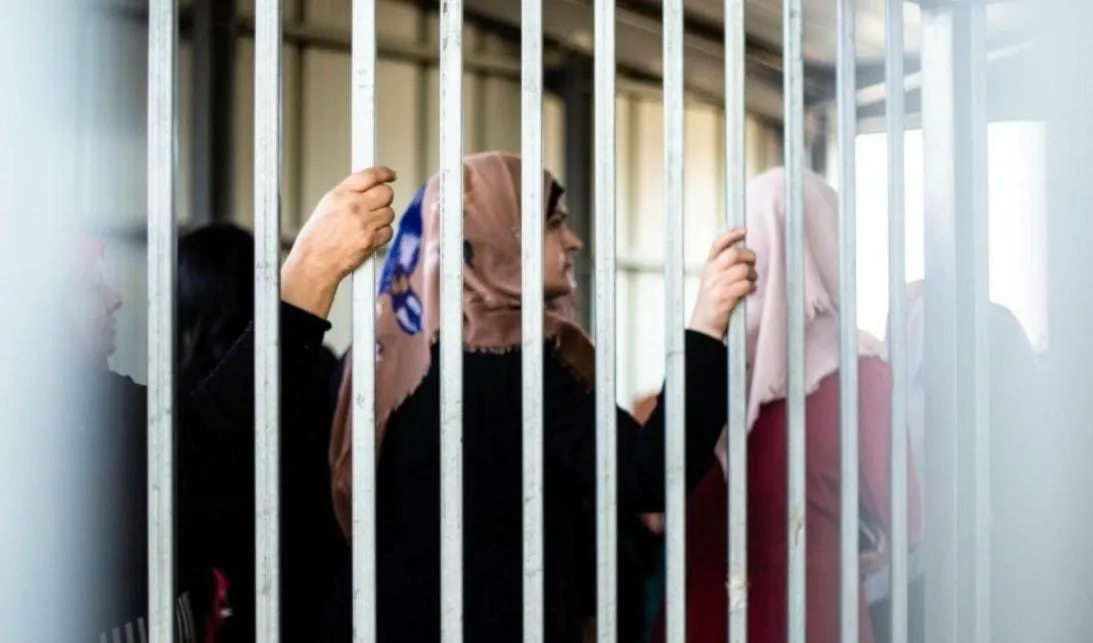
The Commission of Detainees and Ex-Detainees Affairs has revealed a deterioration in the health and living conditions of Palestinian women prisoners at Damon prison, amid continued medical neglect and their being denied treatment, along with a policy of starvation and poor food conditions, and the crackdowns and assaults they face inside the prison.
The commission said on Wednesday, November 4, that prisoner Hanaa Mohammad Hassan al-Bayed, from the city of Ramallah, suffers from health problems whose severity has worsened during her detention, with no provision of the necessary medical care, noting that she has been detained since September 7, 2025, and remains held under harsh and inhumane detention conditions.
Detailing the prisoner’s health condition, the commission explained that before her detention she suffered from hypothyroidism, a condition that requires taking medication regularly, undergoing periodic blood tests, and seeing an endocrine specialist at intervals not exceeding six months to assess her health and determine appropriate dosages.
It added that the prisoner, according to her account to the lawyer, has not been transferred since her detention to an endocrine specialist despite her need for specialised medical follow-up, especially since dosages change from time to time based on blood test results, which requires regular medical monitoring to avoid her condition worsening.
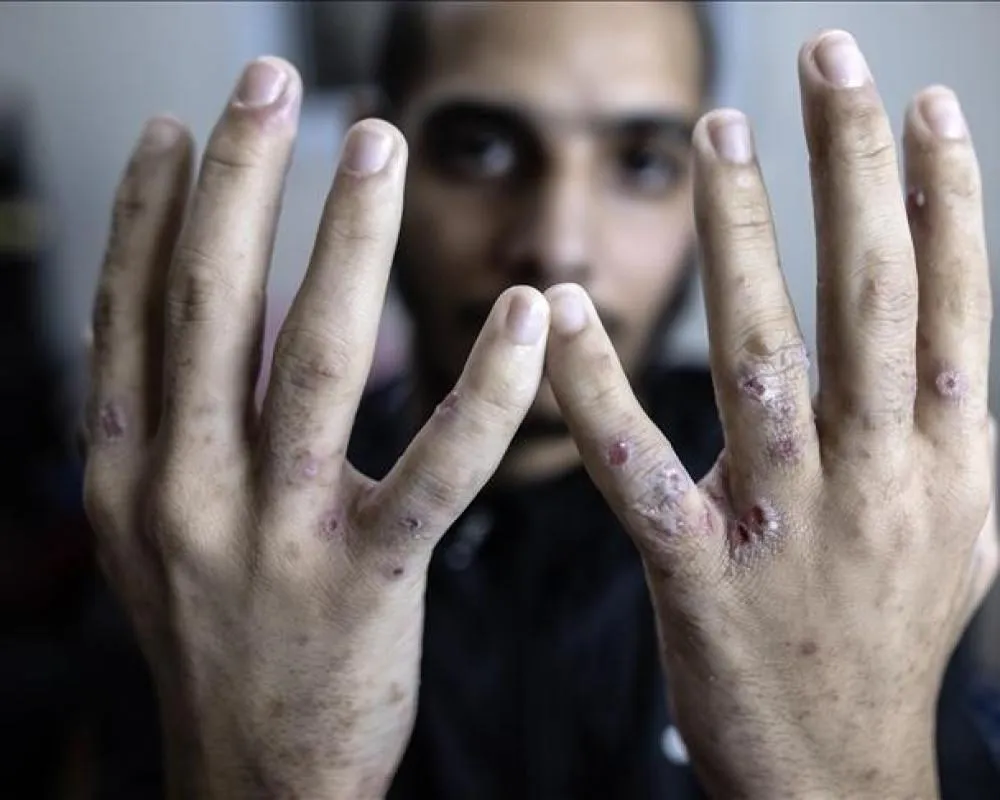
In a related context, the commission noted that al-Bayed has suffered since last July from scabies, and its symptoms continue to this day, amid what it described as deliberate medical neglect and her being denied the treatment needed to ease her suffering.
It explained that the prisoner has lost about 42 kilograms of her weight since her detention, as a result of the starvation policy pursued in the occupation’s prisons and the accompanying reduction in the quantities of food given to male and female prisoners and its poor quality and nutritional value.
On detention conditions and violations inside Damon prison, the commission quoted prisoner al-Bayed as saying that the women prisoners were subjected to a crackdown inside the prison on October 8 last, carried out by “Yamaz” units of the occupation’s prison administration, with the participation of the prison officer.
According to the account, the crackdown included binding the prisoners’ hands behind their backs, blindfolding them, and assaulting them with beatings while taking them out to the ward, as well as releasing gas canisters inside the rooms and directing insults and verbal abuse at the prisoners, as part of the assaults they were subjected to during the operation.
Regarding the number of women prisoners and the conditions of their detention, the commission said there are 82 women prisoners in Damon prison, in addition to prisoner Bushra al-Tawil, who is held in isolation outside the prison.
The commission also addressed living conditions inside the prison, noting that the women prisoners suffer from poor food and small quantities, as al-Bayed said the meals given to them are extremely limited and of low quality, adding to their suffering amid weight loss and deteriorating health conditions.
As for what is known as the “fawra”, the period allocated for the women prisoners to leave the rooms to the prison yard, al-Bayed explained that it does not exceed half an hour and is not granted to the prisoners regularly, limiting the time they are allowed out of the rooms.
In a related context, the commission highlighted the health condition of prisoner Saja Daraghmeh, detained since January 22, 2026, who suffers from migraine and weak eyesight, while being denied the necessary treatment, similar to the denial of medical care that male and female prisoners face inside the occupation’s prisons.
It added that Daraghmeh contracted scabies last July and has since suffered severe pain and constant itching around the clock, without receiving the necessary treatment, which exacerbates her health suffering amid the continued denial of medical care.
The commission affirmed that the accounts it relayed from the two prisoners highlight the difficult health and living conditions the women prisoners live in at Damon prison, and the shortages of treatment and food they face, along with crackdowns and assaults inside the places of detention.