Since the Nakba: $300 Billion in US Support Built Israel’s Arsenal and Fueled Its Wars Against Palestinians
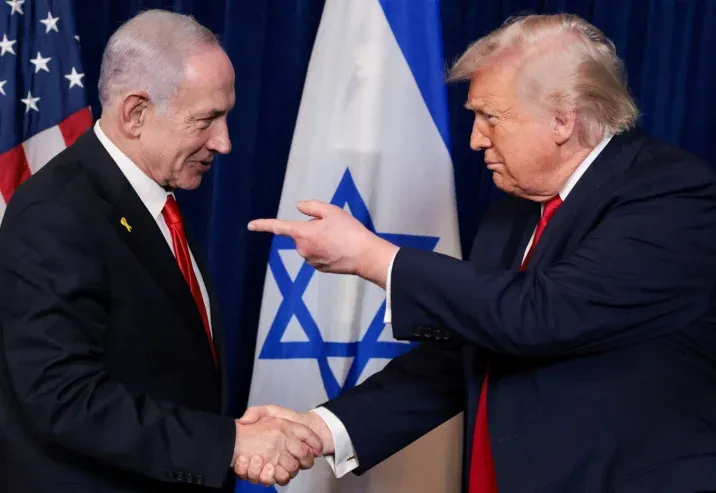
Trump announced that the United States will end the annual military aid provided to the occupation by the end of this year, saying that “Israel” no longer needs the money, that Washington will continue to sell it weapons, and that it will provide assistance if necessary.
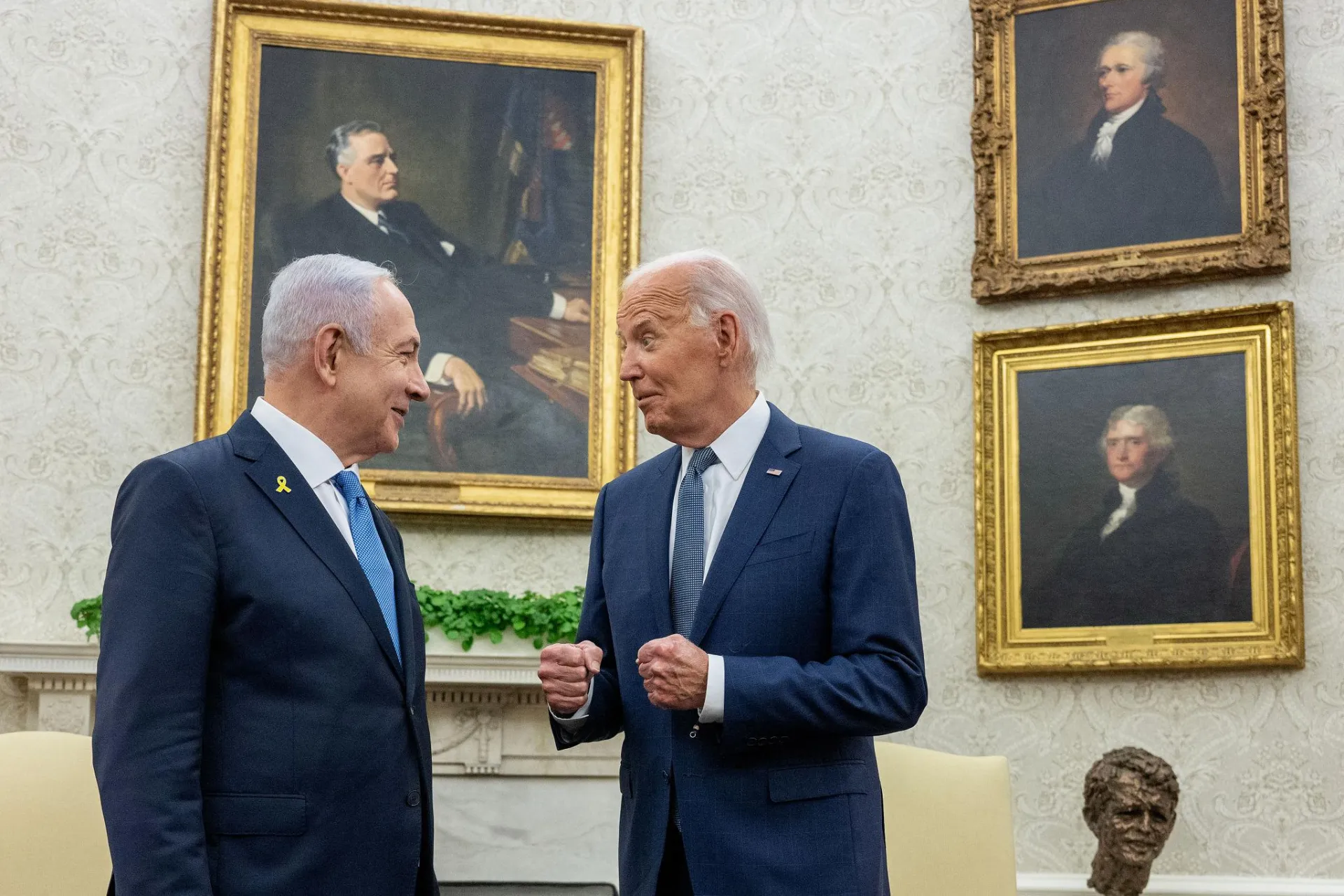
US support for “Israel” over 78 years has not been merely political backing or a diplomatic cover, but has formed one of the main pillars for building the occupation’s military and economic power, and for supplying the weapons, ammunition and missile defense systems it has used in its wars and ongoing aggressions, up to the genocide war on the Gaza Strip.
The figures reveal the scale of this support, which dates back to 1948; its value has exceeded $300 billion at current currency values after adjusting for inflation, while total aid approved for the occupation amounted to about $174.97 billion in nominal terms, according to US Congressional Research Service data, in one of the largest foreign support operations Washington has provided to a single state since World War II.
These figures gain additional significance after US President Donald Trump announced on Tuesday, November 3, his agreement with the head of the occupation government, Benjamin Netanyahu, to end annual military aid by the end of 2026, raising questions about the future of the military relationship between the two sides, and the actual impact of any halt in funding on the occupation’s military capabilities, after decades of reliance on US support.
Halting $4 Billion
Trump announced that the United States will end the annual military aid provided to the occupation by the end of this year, saying that “Israel” no longer needs the money, that Washington will continue to sell it weapons, and that it will provide assistance if necessary.
He explained that the aid is worth about $4 billion annually, noting that Netanyahu was the one who raised the idea of ending the funding, and that the two sides had discussed the matter over several months.
The announcement comes at a time of growing criticism within the United States over the scale of spending on supporting the occupation, with Democratic candidates making the aid file part of their election campaigns, coinciding with the midterm elections.
The announcement surprised officials in the occupation’s finance and defense ministries, as The Times of Israel quoted officials as saying that the step was not expected so quickly, and that they had not received an official document explaining the mechanism for ending the funding.
Israeli opposition leaders, including Gadi Eisenkot and Yair Golan, also criticized the way such a major change in the strategic relationship with Washington was handled.
Eisenkot said that the Israeli security establishment learning through the media, like the public, of a shift in the strategic relationship reveals the danger of Netanyahu’s actions, adding that he can no longer be trusted and must be replaced.
The announcement comes before the end of the current military memorandum of understanding between the two sides, which runs from 2019 to 2028 and stipulates the provision of $38 billion in military aid, at $3.8 billion annually.
Over 78 Years
Data from the US Council on Foreign Relations reveals that total economic and military aid the occupation has received since its founding in 1948 has exceeded $300 billion, when calculated at the current value of the dollar adjusted for inflation rates.
The occupation thus tops the list of countries receiving the most cumulative US aid since World War II.
In more precise detail, Congressional Research Service data indicate that total US aid approved for the occupation during the period from 1946 to 2025 amounted to about $174.97 billion in nominal terms, distributed between $124.5 billion in bilateral military aid, $34.35 billion in economic aid, and $16.11 billion for missile defense programs.
These figures show that the support was not limited to providing weapons and ammunition, but extended to financing the economy and strengthening military protection systems, contributing to building the occupation’s military capabilities and entrenching its military superiority in the region.
US support for the occupation began with economic aid and loans, before gradually expanding into broad military and arms cooperation.
This support witnessed a marked shift after the 1967 war, and its importance escalated further after the October 1973 war, with military aid becoming the main component of the financial relationship between the two sides.
During the period from 1971 to 2007, the occupation received large US economic aid alongside military funding, before the two sides agreed to phase out economic grants and direct most subsequent aid to the military sector.
According to Congressional Research Service data, cumulative economic aid amounted to about $34.35 billion, while bilateral military aid reached $124.5 billion, not counting missile defense programs worth $16.11 billion.
In a Single Year
US aid figures in recent years reveal an escalation in military support for the occupation alongside its aggression on the Gaza Strip.
In 2024, total recorded US aid rose to about $12.5 billion, compared with about $3.8 billion in both 2021 and 2023.
Aid in 2024 was distributed between $6.8 billion in military aid and $5.7 billion for missile defense programs, and the large increase was linked to the additional aid package approved by the US Congress in April 2024, during the continuation of the Israeli genocide war on the Gaza Strip.
The comparison reveals that aid recorded in 2024 exceeded three times its annual level in 2021 and 2023, at a time when Palestinians in the Gaza Strip were facing a destructive war that included bombardment and widespread destruction of infrastructure and civilian facilities.
US military aid does not stop at financial transfers, but turns into weapons, equipment and military services that enhance the occupation army’s capabilities, including fighter aircraft, ammunition, missiles, air defense systems and military training.
According to Council on Foreign Relations data, the occupation had in April 2025 about 751 active US military sales cases, with a total value of nearly $39 billion.
These deals are separate from annual aid, meaning that ending direct military funding does not automatically halt US arms sales deals to the occupation.
The US State Department explains that foreign military financing allows the occupation to purchase equipment, services and training through the Foreign Military Sales system, direct commercial contracts, and the offshore procurement program. The most prominent weapons and equipment covered by military cooperation include F-35 fighter jets, CH-53K helicopters, KC-46 refueling aircraft, as well as precision-guided munitions.
Israel has also historically enjoyed the privilege of using part of US military funding to purchase equipment from Israeli defense industry companies, a privilege that is set to be phased out over the coming years.
Arms Sales Deals
Although Trump has announced his intention to end annual military aid by the end of 2026, this does not necessarily mean the end of military cooperation between Washington and the occupation, given the continuation of arms sales deals, the existence of hundreds of active military sales cases, and the longstanding security and arms relations between the two sides.
The figures reveal that the military relationship between Washington and Tel Aviv has gone beyond the framework of annual aid to become an integrated system of financing, arming, training and defense cooperation, built over decades.
From a Palestinian perspective, these billions cannot be read as mere figures in US foreign aid records, in isolation from the role of US military and political support in enabling the occupation to continue its wars and military operations, and the killing, destruction and displacement they have left behind against Palestinians.
Between Trump’s announcement of halting annual funding and the continuation of arms deals estimated at tens of billions, the most important question remains: Is Washington actually moving to change the nature of its support for the occupation, or is it merely rearranging funding mechanisms while maintaining the arms and military cooperation system?