Layoffs of Thousands of UNRWA Staff Threaten the Global Witness to the Nakba and the Right of Return
Concerns are mounting over the future of the UN Relief and Works Agency for Palestine Refugees (UNRWA) amid leaks that it plans to lay off between 7,000 and 8,000 of its roughly 15,000 employees in the West Bank and Gaza Strip, with potential repercussions for the staff, their families and the millions of refugees who depend on its services.
Report – Shehab
Concerns are mounting over the future of the UN Relief and Works Agency for Palestine Refugees (UNRWA) amid leaks that it plans to lay off between 7,000 and 8,000 of its roughly 15,000 employees in the West Bank and Gaza Strip, with potential repercussions for the staff, their families and the millions of refugees who depend on its services.
The danger of this step is not limited to its livelihood consequences; it extends to the agency’s role in protecting the Palestinian refugee cause and the right of return, amid warnings that shrinking its workforce and services may be part of efforts aimed at weakening it and dismantling its role.
A path of liquidation
Writer and political analyst Mohammed Mustafa Shaheen said that what has leaked about the intentions of Christian Saunders, the acting Commissioner-General of UNRWA, is not merely a technical administrative measure justified by a financial shortfall estimated at seventy million dollars, explaining that the leak reveals a systematic liquidation path targeting the living international witness to the Nakba and the right of return.
In an exclusive interview with Shehab, he stressed that UNRWA is not an ordinary relief organization, but the international legal and political embodiment of the Palestinian refugee cause.
He noted that cutting half its workforce in the main areas of operations would mean paralyzing its ability to provide education, health and relief services, then opening the door to transferring its mandate to other entities such as the US Peace Council or international organizations that bear no historical commitment to refugee rights.
He added that this step is one link in a chain of Western and “Israeli” pressures aimed at dismantling the institutional structure that preserves refugee status, noting that the financial deficit is not new and that the agency had previously faced larger shortfalls without resorting to this level of layoffs.
He explained that what is happening now coincides with repeated “Israeli” attempts to criminalize the agency’s staff and impose restrictions on its work, making the financial crisis a political cover rather than a purely financial reality.
Shaheen warned that the repercussions for employees and their families are catastrophic, as thousands of Palestinian families dependent on UNRWA salaries will face immediate livelihood collapse amid already crippling economic conditions, especially in devastated Gaza and the besieged West Bank.
He stressed that the layoffs mean not only the loss of income but also the dismantling of the service network on which millions of refugees depend, deepening the humanitarian crisis and turning it into a tool of political pressure, warning that this path threatens to transform the right of return from a nationally and internationally protected demand into an administrative file that can be redistributed or erased under the slogans of restructuring and financial sustainability.
He stressed that the United Nations and donor countries bear a moral and legal responsibility to prevent this slide, and that political will alone is capable of closing the relatively small deficit, noting that leaving the agency to collapse under the pressure of leaks and secret plans amounts to actual complicity with the project of liquidating the cause.
He said that Palestinians will not accept UNRWA being transformed from a symbol of steadfastness into a victim of Western political will, and that defending the agency today is defending the Palestinian narrative and a right that does not lapse with time.
An alarm bell
For his part, writer Imad Zaqout said that what has leaked about Saunders raises serious concerns and sounds the alarm bell regarding the future of UNRWA and its role in protecting the Palestinian refugee cause.
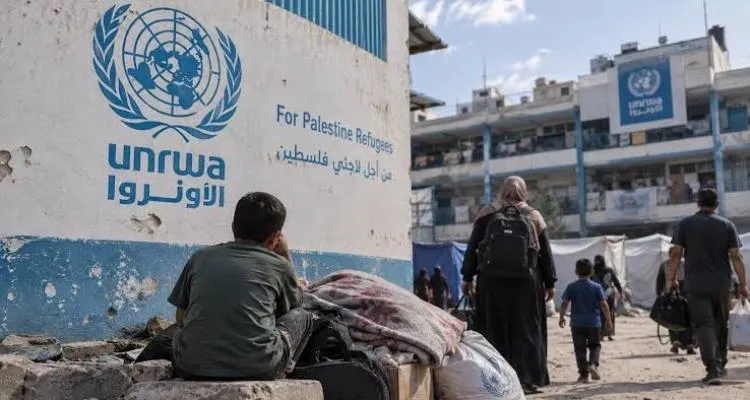
Zaqout explained that the danger of these directions is not limited to their livelihood and economic repercussions on thousands of employees and their families, but extends to undermining the agency’s ability to provide its basic services to millions of refugees in the fields of education, health, relief and social services, threatening one of the most important international and institutional witnesses to the refugee cause and their rights.
He added that these developments cannot be read in isolation from the broader political context and the continuous “Israeli” efforts to target UNRWA and end its role, as a UN institution whose responsibilities are tied to the refugee cause and their right of return, noting that weakening the agency, shrinking its services and stripping it of its staff intersects with a wider project aimed at liquidating the Palestinian cause and dismantling its fundamental pillars.
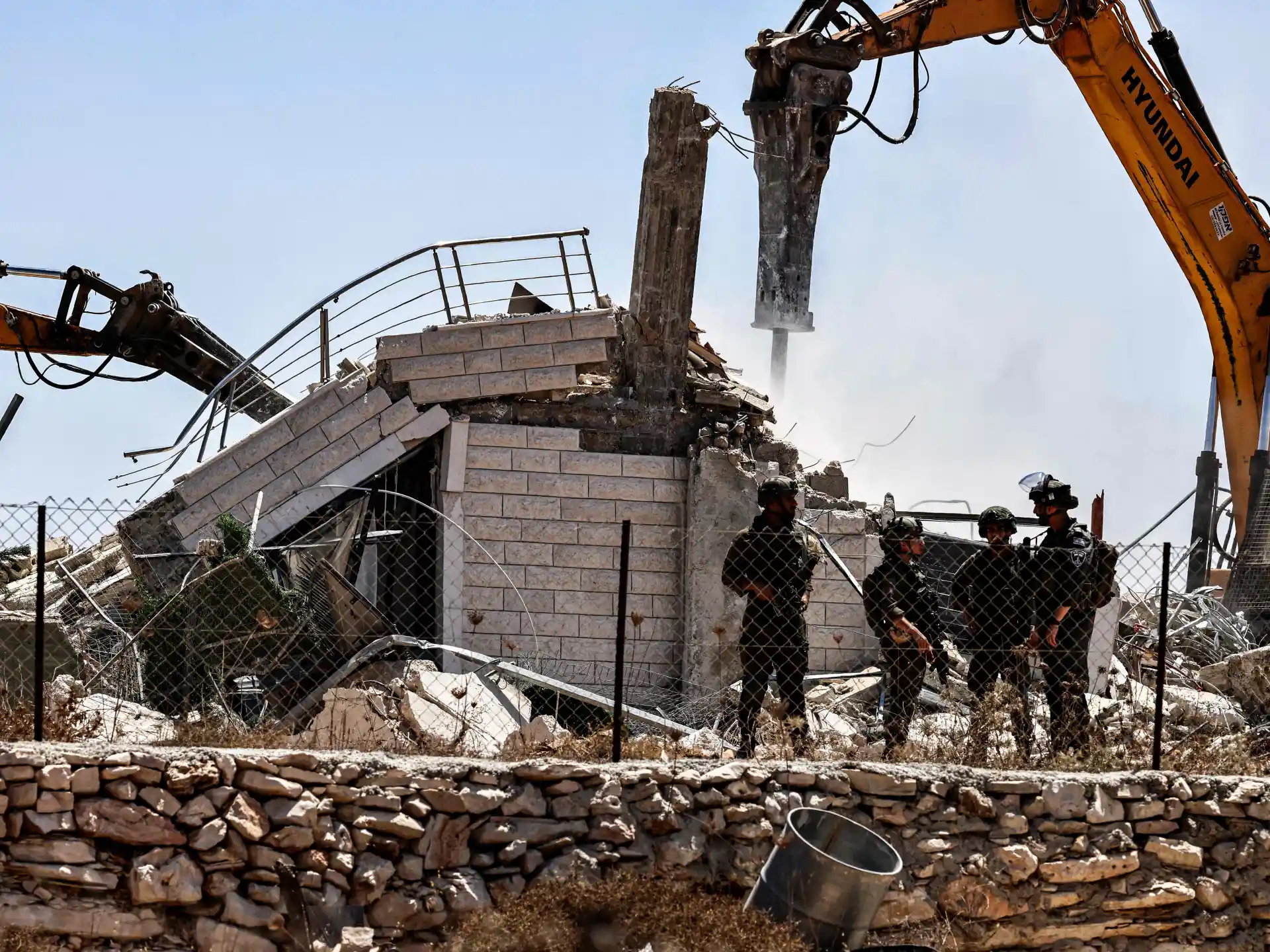
Zaqout noted that the fixed assets of the Palestinian cause are being targeted simultaneously; the land is subjected to settlement, annexation and Judaization, the holy sites face attempts to change their identity and their historical and legal reality, while the refugee cause faces attempts at liquidation by striking UNRWA, dismantling the camps and displacing their residents, as is happening in the West Bank and the Gaza Strip.
He stressed that the layoff of thousands of UNRWA employees should not be treated as an administrative measure or a passing financial fix, but as a highly dangerous development that may open the door to weakening the institution, undermining its UN mandate and eroding the international community’s responsibility toward Palestinian refugees.
He stressed that the financial crisis facing the agency must not be a justification for making employees and refugees pay its price, or for compromising the basic services it provides, affirming that international responsibility requires providing sustainable funding, ensuring the agency’s continued operation and protecting the rights of its workers.
Zaqout called for urgent and unified action by Arab and Islamic states, the United Nations, human rights and humanitarian institutions, and Palestinian national and popular forces to thwart any attempt to dismantle UNRWA or undermine its role.
He said that defending UNRWA is not merely defending a relief institution, but defending the Palestinian refugee cause, the right of return, the national memory and the right of the Palestinian people to hold fast to their historical rights that do not lapse with time.