Hebron Pays the Price of Aggression: Homes Destroyed, Property Looted and Millions of Dollars in Losses
The report documents the scale of damage and losses left by the occupation army's aggression on the city of Hebron during ten days of siege and raids, and the destruction, vandalism and looting of property that befell homes and commercial facilities, in a toll of about 900 damaged homes and facilities and losses running into millions of dollars.
The withdrawal of Israeli occupation forces from the city of Hebron, south of the West Bank, has laid bare ten days of siege, aggression, destruction and military vandalism that left widespread damage to homes, commercial facilities and infrastructure and forced thousands of Palestinians to leave their homes, as families and the relevant authorities began inspecting the damage and tallying the losses.
Theft and looting
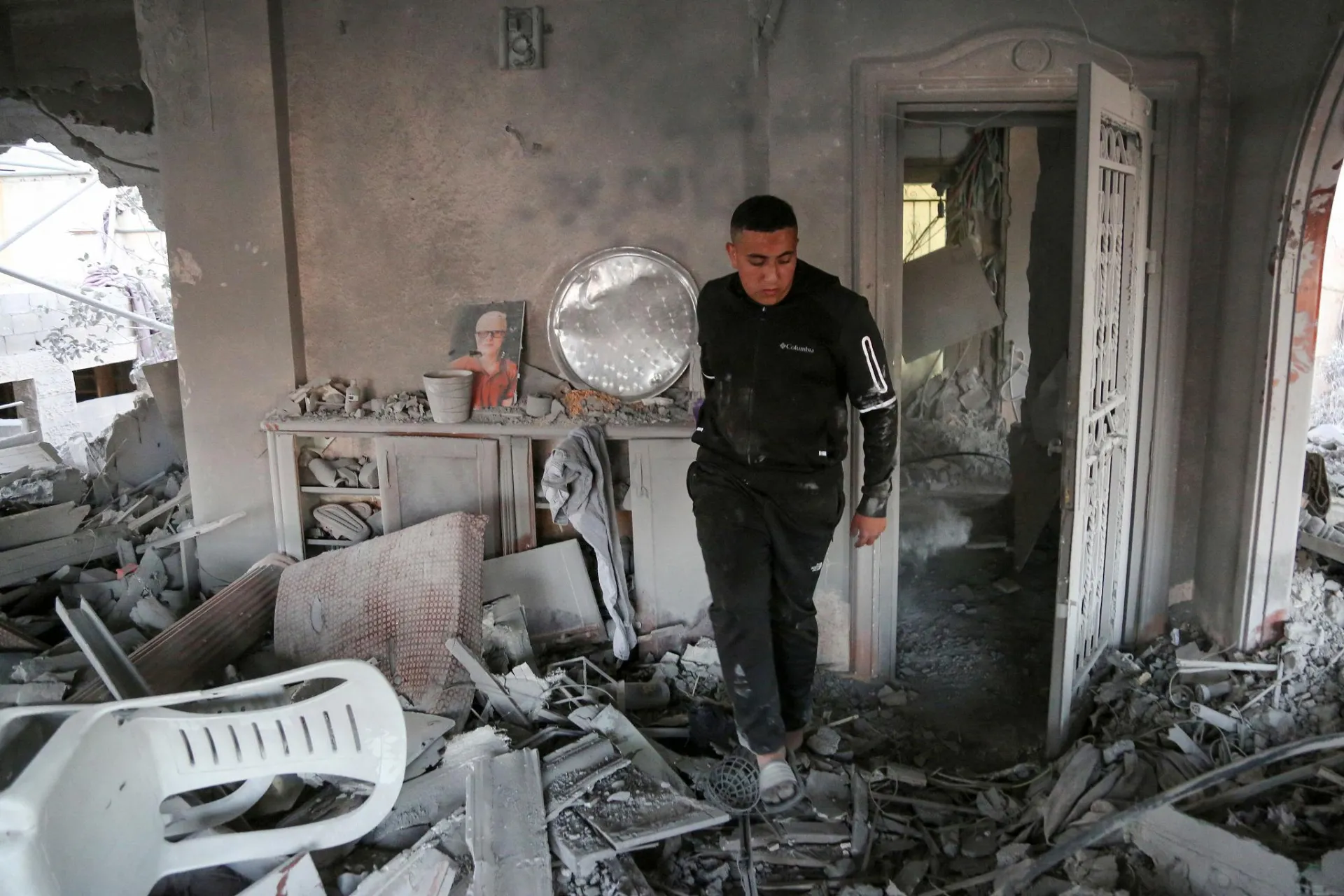
With residents returning to the Deir Bahha and Jaldah neighbourhoods and the areas around them, scenes of vandalism inflicted on homes and shops have come to light, after occupation forces used a number of buildings as military barracks, tampered with their contents and damaged furniture, doors and property, in addition to recorded cases of theft of belongings, electronic devices and work equipment.
The evacuations of residents were not a separate measure from the rest of the military operations, but went hand in hand with the closure and isolation of neighbourhood entrances and the forcing of families to leave their homes under the weight of raids and searches, within a set of measures that imposed forced displacement on thousands of residents and extended to the destruction of their property and the vandalism of their homes and facilities.
The facts that emerged after the withdrawal revealed the extent of the damage to residential and commercial buildings, after occupation forces used some of them as military positions and barracks for their soldiers.
Hebron Governor Khaled Dudin said in a statement following the withdrawal of occupation forces that the forces had withdrawn from the entire city of Hebron, stressing that the Palestinian security services now control the area and that families forced to leave their homes can return to them, while the relevant authorities continue to monitor conditions on the ground and work to provide what is needed for residents to return safely.
According to preliminary data announced by the relevant authorities in the Hebron governorate, more than 900 homes and commercial facilities were damaged during the aggression, which concentrated in the Jaldah and Ain Deir Bahha neighbourhoods and adjacent areas, across an area estimated at about 3.5 square kilometres.
The damage included searches and vandalism inside hundreds of homes, alongside the occupation forces' carrying out of about 15 demolition operations in the city, concentrated in the Farsh al-Hawa area and around the area of the siege, among them the demolition of the homes of the families of the martyrs Ahmed and Hamouda al-Jaaba.
The nature of the recorded damage reveals the scale of the destruction that befell property during the aggression, as it was not limited to direct demolition but extended to the vandalism of the contents of homes and facilities, the smashing of doors and furniture, the destruction of equipment and devices and the theft of belongings, in addition to damage to service networks and infrastructure.
Targeting the foundations of life
These facts show that the effects of the military operation went beyond raids and pursuits to targeting the residential and economic foundations of life in the targeted neighbourhoods, amid the destruction of residents' property and the deprivation of thousands of families of their homes and sources of livelihood.
Occupation forces had imposed a siege on the city, closed eight main entrances and cut the targeted areas off from their surroundings, in tandem with raiding homes and forcing residents to evacuate them, leading to the displacement of more than 3,300 Palestinians during the ten days of aggression.
These measures, coupled with the demolition and widespread vandalism of property, reflect a systematic pattern of targeting residents and the foundations of their life in the neighbourhoods affected by the aggression, as forced displacement combined with the destruction of homes and facilities and the disruption of economic activity, turning the area into a vast expanse of damage that was not limited to buildings but touched the lives of thousands of Palestinians, their stability and their sources of livelihood.
On the economic level, the Hebron Chamber of Commerce and Industry estimated the losses caused by the siege at about 150 million shekels, or roughly 48 million dollars, at a rate of 15 million shekels per day.
The head of the Hebron Chamber of Commerce and Industry, Abdo Idris, said that about 380 commercial and industrial facilities were closed during the siege period, while nearly 1,350 workers stopped working as a result of the military measures and the closure of the area.
He explained that the losses were not limited to the halt in commercial activity but extended to the spoilage of goods and foodstuffs stored inside the shops, especially meat and vegetables that require refrigeration, alongside damage to property and equipment and the cases of theft recorded inside the facilities.
He pointed out that the Support and Relief Committee, in cooperation with a specialised committee formed by the Palestinian Cabinet, will undertake a detailed tally of the damage, stressing that the announced figures are preliminary estimates and do not represent the final toll of losses.
A destructive approach
In testimonies on the scale of the damage, owners of commercial facilities and residents in the targeted neighbourhoods revealed that their property was subjected to vandalism and theft while occupation forces used the buildings and homes as military positions.
The owner of a commercial company in the Jaldah roundabout area, Obaida Mujahid, said that his company, which specialises in advertising and media services, was subjected to widespread vandalism and theft after occupation forces turned the building housing its headquarters into a military barracks.
He explained that the company, which covers about 150 square metres, lost photography and video cameras, computers and sums of money, in addition to the destruction of official papers, work contracts and files related to projects it was carrying out for civil and commercial institutions in the governorate.
Mujahid estimated his preliminary losses at about 100,000 shekels, noting that the damage affected the company's assets, equipment and the files that form an essential part of its work.
In the Ain Deir Bahha area, residents found their homes with doors and contents smashed and vandalised, while resident Ahmed al-Aweiwi said his home bore marks left by occupation forces on the walls, along with traces of its use as a military barracks for four days.
He added that about ten homes belonging to his family were damaged and robbed, including surveillance cameras, computers and internet equipment, in addition to smashed doors and vandalised furniture and belongings.
These testimonies reflect part of the scale of the destruction inflicted on residents’ property, as the damage was not limited to buildings that were demolished or damaged by military operations, but extended to the contents of homes, offices and businesses, including devices, equipment, papers and private files, compounding the losses suffered by families and business owners and tying the restoration of their lives and livelihoods to the rehabilitation of their property and compensation for what they lost.
Preliminary Survey
Alongside the residents’ return, the Hebron Support and Relief Committee has begun inspecting homes and commercial shops and surveying the damage, while the Hebron Municipality and its crews are assessing damage to water, electricity and road networks and infrastructure and identifying the needs required to remove rubble and restore services.
A delegation of United Nations agencies has also arrived in the city to follow up on the repercussions of the siege, including representatives of the World Food Programme, the UN Office for the Coordination of Humanitarian Affairs, the United Nations Population Fund, the United Nations Children’s Fund, the United Nations Development Programme and other UN bodies.
As damage assessments continue, residents of the targeted neighborhoods face the task of recovering their homes, property and sources of livelihood after ten days of forced displacement and vandalism that affected hundreds of homes and facilities, while announced economic estimates remain liable to rise as field assessments are completed.
The toll of the aggression reveals damage that goes beyond direct material losses, with forced displacement, demolition, vandalism of property and the disruption of commercial facilities and sources of income converging in systematic measures that touched every aspect of life in the targeted neighborhoods. While residents have returned to their homes after the siege ended, the effects of the destruction do not end with the withdrawal of forces, but extend to what awaits thousands of families in reconstruction, rehabilitation and compensation for their property and livelihoods damaged during the ten days.