Israeli Forces Withdraw from Hebron Neighborhoods After 10-Day Siege, Leaving Destruction and Widespread Displacement
Israeli occupation forces withdrew from neighborhoods in the city of Hebron following a 10-day military offensive and siege that displaced 537 families comprising around 3,361 people, caused widespread destruction to homes and infrastructure, and inflicted heavy economic losses.
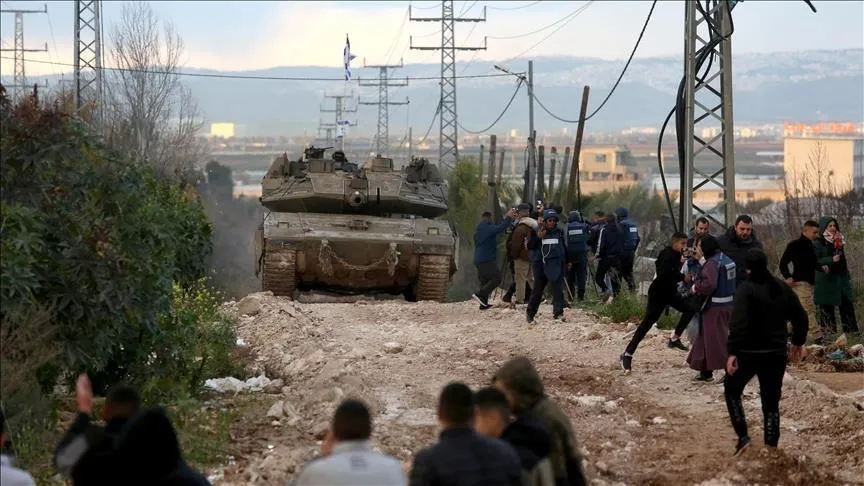
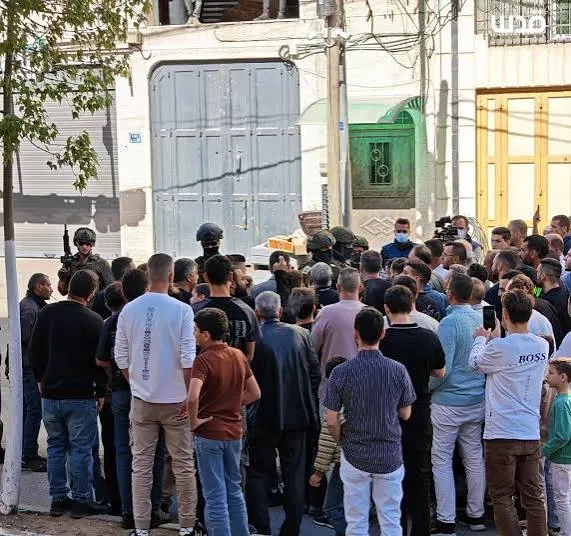
Israeli occupation forces withdrew on Monday morning from the neighborhoods they had raided and besieged in the city of Hebron in the southern occupied West Bank, following a military offensive that lasted ten days and displaced hundreds of families and caused widespread destruction to homes and infrastructure, as residents began returning to their homes to inspect the damage left by the forces during the raid.
Hebron Mayor Youssef Al-Jabari said occupation forces withdrew from all neighborhoods of the city at six in the morning, noting that residents had begun returning to their homes to assess the damage to their properties and to public and private property.
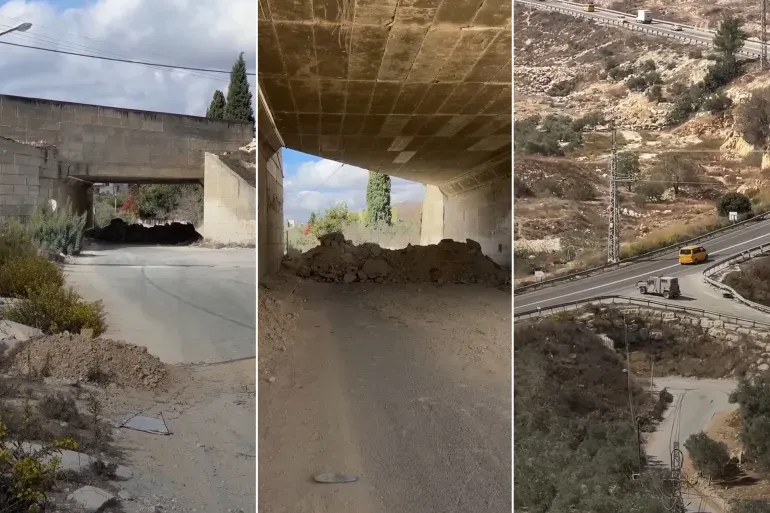
Al-Jabari explained that occupation forces used about 540 homes and residential units, turning them into military barracks during the offensive, which also saw the bulldozing of roads and targeted areas, the destruction of vehicles and damage to residents' homes. He stressed that the municipality will work to assess the damage and tally losses across various sectors.
Life began gradually returning to the city following the withdrawal, with students resuming their attendance at schools and universities after the education process was disrupted in recent days by the raids and military closures.
The occupation army had launched its offensive on Hebron on October 23 last year, following a shooting attack that targeted a military checkpoint at the northern entrance to the city, killing two Israeli soldiers and wounding others, while the two perpetrators of the attack were killed.
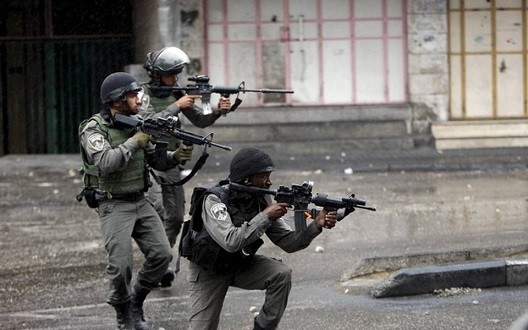
Occupation forces imposed a tight siege on large areas of the city, especially the neighborhoods of Al-Jalda, Ain Deir Baha and Khallet Al-Magharbeh, closed roads and entrances, carried out raids and searches of homes, turned a number of them into military positions, and forced hundreds of families to leave their residences.
According to data from the Hebron municipality and relief committees, the offensive displaced 537 families comprising around 3,361 people, while the number of those affected by the occupation's measures exceeded 3,300 people.
Occupation forces also blew up homes and facilities and closed 327 commercial shops, while direct economic losses from the closures exceeded 12 million shekels per day, in addition to damage to infrastructure and service sectors.
The repercussions of the offensive extended to the education sector, as tens of thousands of students were deprived of access to their schools and educational institutions due to the closure of roads and residential neighborhoods and the military restrictions imposed by occupation forces.
With the withdrawal of the forces, families who had been forced to displace began returning to their homes amid ongoing damage inspections, while the Hebron municipality prepares to tally losses and assess the needs for rehabilitating roads, facilities and damaged homes.