Abu Zubaida to Shahab: Targeting Police in Gaza Is a Systematic Policy to Create a Security Vacuum and Impose Outside Arrangements
A security reading and analysis of the dimensions of the escalation after occupation aircraft targeted the Palestinian police in the Mawasi area of Khan Younis in the southern Gaza Strip today, presented by expert Rami Abu Zubaida
Exclusive – Shahab
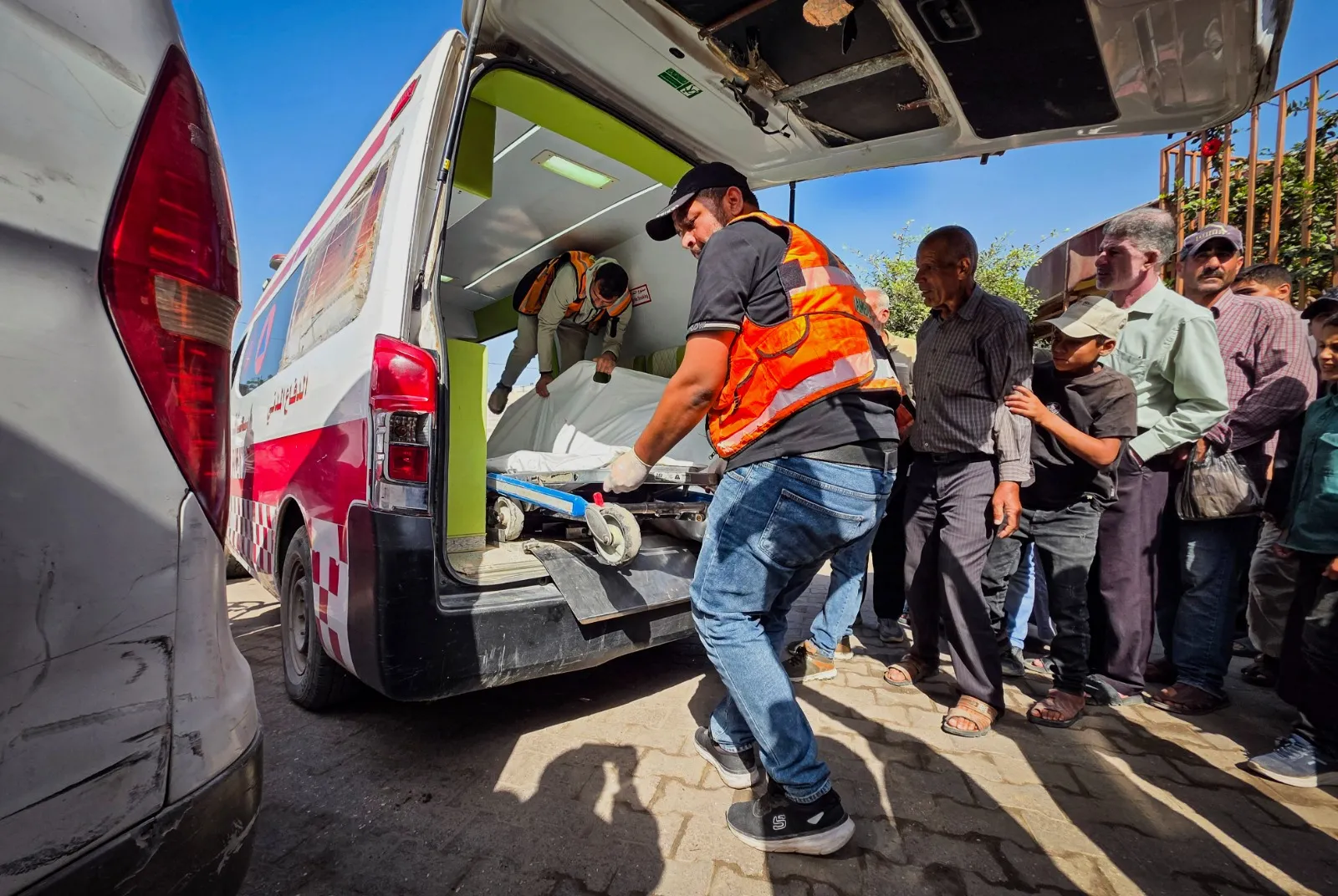
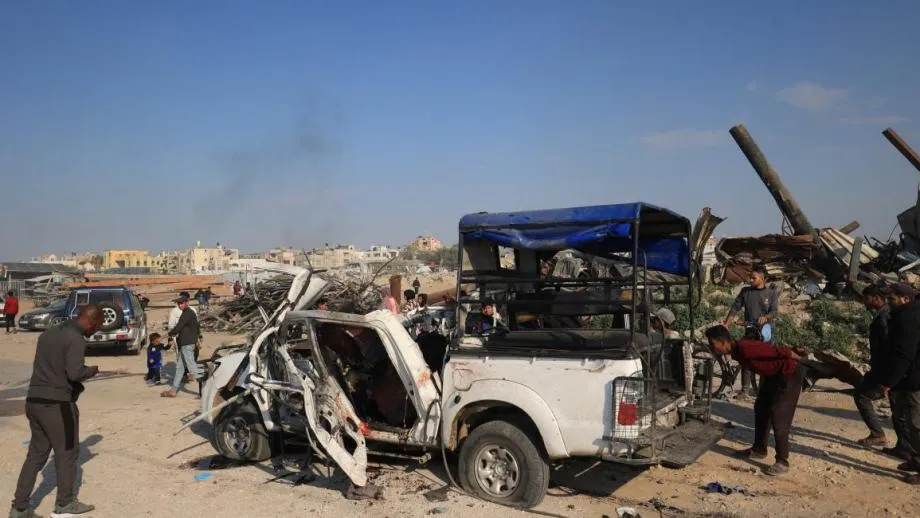
The Israeli occupation forces are continuing their systematic escalation against the police force and security services in the Gaza Strip, amid warnings from specialists of Israeli attempts to create an alternative security reality and spread chaos. This follows a new massacre committed by the occupation at noon today, Sunday, in the Mawasi area of Khan Younis in the southern Gaza Strip, which resulted in the martyrdom of a group of police personnel while carrying out their field duties, bringing the number of martyrs of the aggression ongoing since dawn today to 9, with dozens wounded.
The Ministry of Interior and National Security in Gaza mourned, in a press statement, five officers and members of the General Directorate of Police who were killed in the strike: Lieutenant Colonel Muhammad Zakaria al-Jamal (44), Major Bassam Neamat Miqdad (53), First Sergeant Muhammad Amin al-Nims (37), and police officers Shaher Muhammad Zaarab (28) and Muhammad Ali Abu Shaar (23).
The ministry condemned this heinous crime and warned of the consequences of the systematic targeting of its personnel, who carry out civilian tasks in maintaining the security and safety of citizens in accordance with the law. It noted that these crimes have led to the martyrdom of 75 officers and police personnel since the ceasefire agreement took effect in October of last year. The Interior Ministry called on the international community to move urgently and pressure the occupation to halt its aggression against the police apparatus.
A security reading and analysis of the dimensions of the escalation
In a security reading of the nature of this escalation, researcher in security and military affairs Rami Abu Zubaida affirmed that targeting police personnel and security services “is not a random act,” explaining that it falls within a systematic and calculated policy aimed at creating a security vacuum within Palestinian society.
Abu Zubaida told the (Shahab) agency that the occupation recognizes the transformation of the police role in Gaza from a traditional security function into a fundamental pillar of daily life, including regulating markets, securing the delivery of aid, pursuing theft and fraud networks, resolving disputes, and protecting property.
He noted that striking this institution seeks to paralyze its tactical and executive capacity in order to create a fertile environment for the spread of crime and chaos, and to widen the margin of movement for gangs and armed groups loyal to the occupation.
The security researcher pointed to intelligence and political dimensions that parallel this targeting: weakening the ability of the security services to pursue espionage networks and collaboration with the occupation and to track infiltrations, as well as a organized effort to prevent any Palestinian institutional structure from restoring its role in administering the Strip.
On the direct effects, Abu Zubaida explained that the continuation of these strikes could lead on the ground to a decline in police and security deployment and a weakening of the efficiency of response to emergency incidents, while noting that “weakening the security institution does not necessarily mean the collapse of society, as the popular support base and social cohesion constitute the first line of defense and the fundamental pillar preventing a slide into absolute chaos.”
He added that the extreme danger lies in the attempt to strike the leadership and organizational structure and the decision-making centers within the security services, which weakens the ability to coordinate and manage crises, especially in light of reports of movements by armed groups loyal to the occupation near the “Yellow Line,” amid serious fears that they will be used to create an alternative security reality and to influence the administration of some areas inside the Strip.
Abu Zubaida outlined three possible scenarios for the future of the security situation in the Strip. The first is the scenario of attrition, through the occupation’s continued and uninterrupted targeting of the security services to keep them in a state of limited operation and under constant field pressure.
The second is the scenario of chaos and confrontation (the most dangerous), leading to a widening security vacuum, multiple centers of power, and the rise of militias and armed gangs loyal to the occupation, which could drag the internal arena into a state of confrontation and the disintegration of the social fabric — the occupation’s most prominent goal, according to Abu Zubaida.
The third is the scenario of containment and consensus, through the national system’s success in containing pressures by maintaining a minimum level of police work, strengthening social cohesion, and reaching a comprehensive national consensus on managing security and civil affairs in the Strip, according to the security expert.
He stated that the Israeli bet goes beyond merely weakening the security services to attempting to make the Gaza Strip “an environment incapable of governance and administration,” in preparation for imposing security arrangements and external guardianship over it. He stressed that the current battle is one to preserve Palestinian social cohesion and prevent the security vacuum from being turned into an entry point for chaos or guardianship targeting the home front.