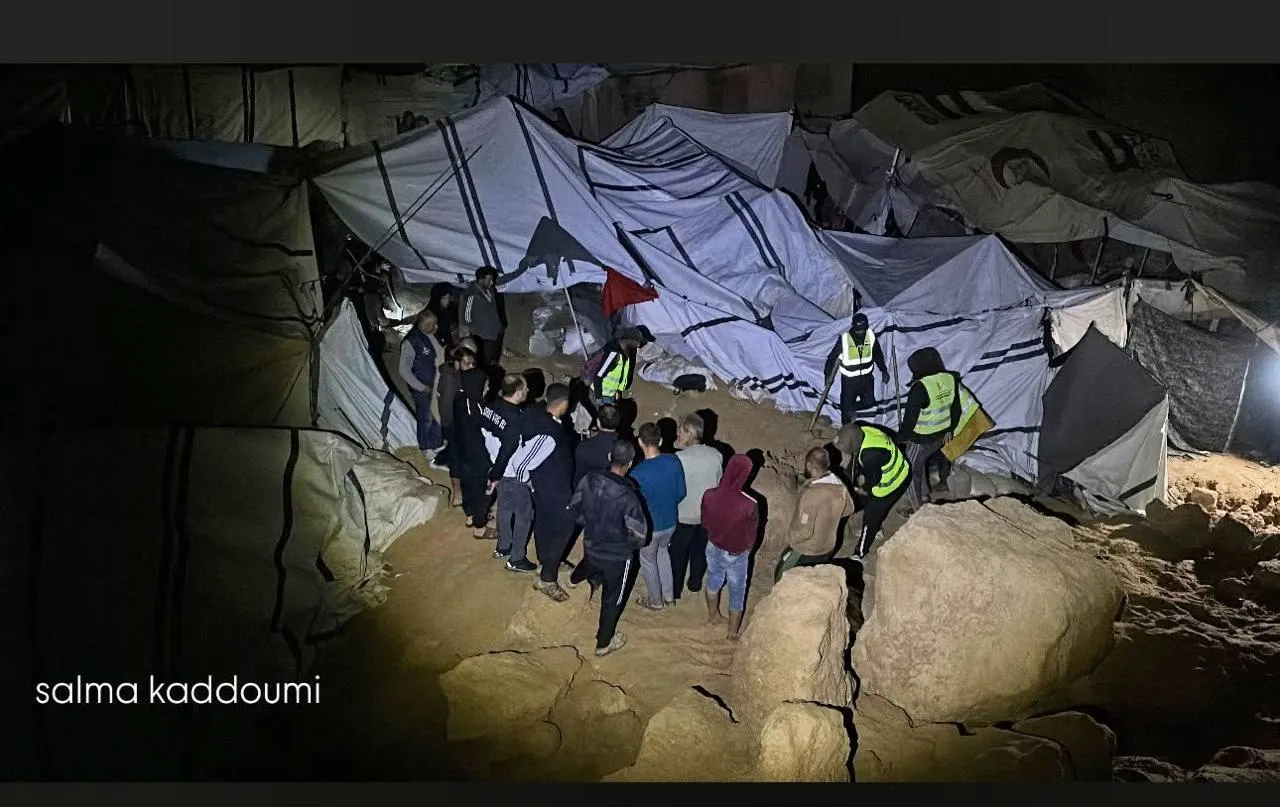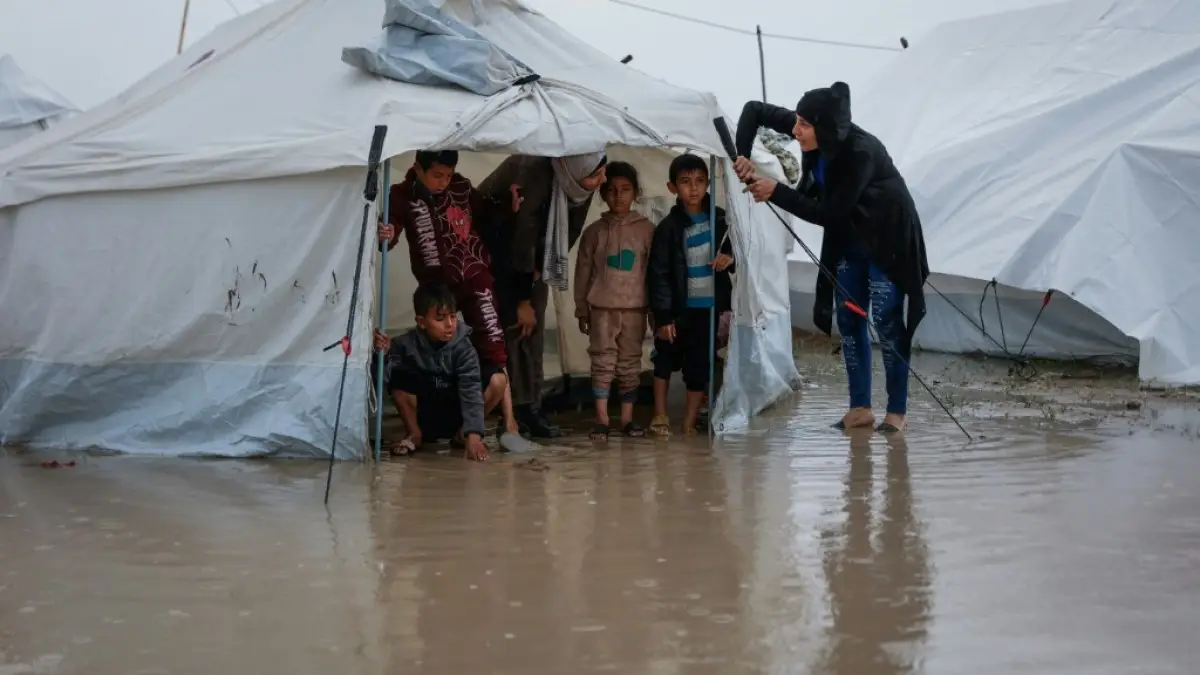
Harsh Winter Threatens Gaza Displaced as Thousands of Tents Sit in Flood Paths and Hundreds of Thousands Left in Ruined Shelters
Winter Emergency Committee: Indicators point to a harsh and early winter season, while hundreds of thousands of displaced people are living in dilapidated tents and areas exposed to flooding and torrents
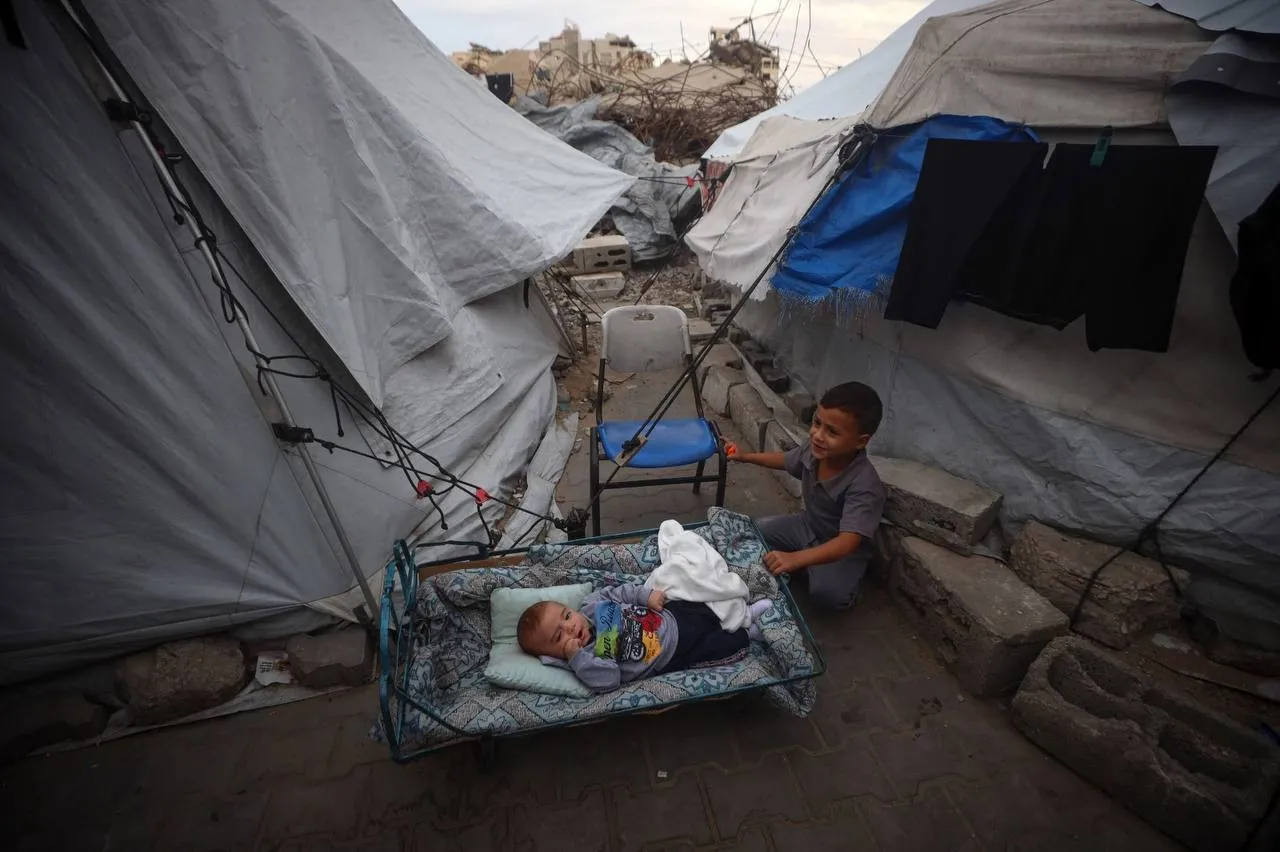
The Winter Emergency Committee in the Gaza Strip has announced the launch of its preparedness and response plan for the 2026–2027 winter season, alongside the rollout of the national campaign “Together Toward a Safe Winter,” warning of worsening humanitarian and environmental risks threatening hundreds of thousands of displaced people amid widespread destruction, shortages of shelter supplies and the declining capacity of the relevant authorities to respond to emergencies.
Speaking at a press conference on Sunday, the committee said indicators point to a harsh and early winter season, while hundreds of thousands of displaced people are living in dilapidated tents and areas exposed to flooding and torrents, with a severe shortfall in the capabilities of municipalities and civil defense to deal with the fallout of weather depressions.
It revealed that around 7,800 tents are located in dangerous areas requiring their urgent relocation to safe locations, including valley beds, rainwater collection pools and coastal areas exposed to waves, while some 200,000 dilapidated tents shelter hundreds of thousands of children, women and people with disabilities.
It warned that around 2,000 cracked buildings are at risk of immediate collapse on their occupants with the onset of weather depressions, noting that Palestinian families have been forced to reside in destroyed and dilapidated buildings.
On field readiness, the committee explained that around 70% of municipalities’ essential operational equipment has been destroyed, along with about 90% of civil defense equipment designated for rescue operations, in addition to an acute fuel crisis that threatens to halt the remaining vehicles and generators.
It added that the available capacity to deal with rainwater pools and floods is limited to five dilapidated water suction tankers and 24 small mobile pumps, equipment insufficient to confront the expected risks, even with the use of private-sector equipment.
The committee accused the occupation authorities of obstructing winter preparations by preventing the entry of heavy machinery, spare parts, oils and diesel, and impeding the arrival of shelter supplies and safety tools necessary for the work of emergency crews.
It called on residents of low-lying areas, torrent paths and beaches to cooperate with the relevant authorities, stay away from water pools and evacuate the areas most prone to flooding, and urged residents of cracked buildings to leave them immediately to preserve their lives and those of their children.
The committee identified urgent needs to confront the season, foremost among them the entry of temporary housing and the provision of emergency shelter supplies, including water-resistant tents and insulation for about 200,000 families, comprising 200,000 tents and one million tarpaulins.
It also called for the provision of three million liters of diesel per month to operate pumps, machinery and generators, and the entry of water suction equipment and heavy machinery, including bulldozers, trucks, suction vehicles and pumps.
It stressed the need to allocate an emergency operational budget of $37 million to maintain networks and secure the salaries of emergency crews working in the field, warning that current pledges and available funding are limited and do not cover a quarter of the required needs.
The Winter Emergency Committee issued an appeal to the United Nations, the international community and the Security Council to press for the opening of crossings and the entry of caravans, shelter materials and fuel without restrictions, and to accelerate the arrival of aid before risks worsen with the onset of weather depressions.
It also demanded pressure to begin reconstructing the Gaza Strip and allow the entry of construction materials, and to work on building a sand barrier along the coast to protect the tents of displaced people from the waves.
The Winter Emergency Committee comprises the ministries of Local Government, Public Works and Housing, and Social Development, the Civil Defense apparatus, the Union of Gaza Strip Municipalities, the Government Media Office and the Coastal Municipalities Water Utility.